Energy Sustainability and Environmental Impact Reduction in Chemical Analyzers
In today's world, energy sustainability and environmental impact reduction have become critical focal points for laboratories. As chemical analyzers play a vital role in numerous research and clinical applications, understanding their influence on these sustainability metrics is paramount. This article explores several models of chemical analyzers through the lens of energy consumption, reagent usage, and overall environmental impact.
Understanding Energy Sustainability in Chemical Analyzers
Energy sustainability refers to the efficient use of energy resources to minimize environmental harm. In laboratories, this involves not only the operational energy costs but also the entire lifecycle of laboratory equipment. The manufacturing process, energy consumption during operation, and end-of-life disposal all contribute to a device's overall environmental footprint.
When evaluating chemical analyzers, one should consider their energy consumption, the efficiency of their operation, and whether they align with sustainability certifications like ENERGY STAR or EPEAT. Taking a closer look at these factors allows laboratories to make informed decisions that align with both their scientific needs and their environmental commitments.
Reagent Consumption and Waste Management
Another vital aspect of sustainability in chemical analysis is the efficient use of reagents. Excessive reagent use not only raises operational costs but also increases the environmental burden due to chemical waste. Chemical analyzers designed with minimized reagent consumption can significantly reduce both costs and environmental impact.
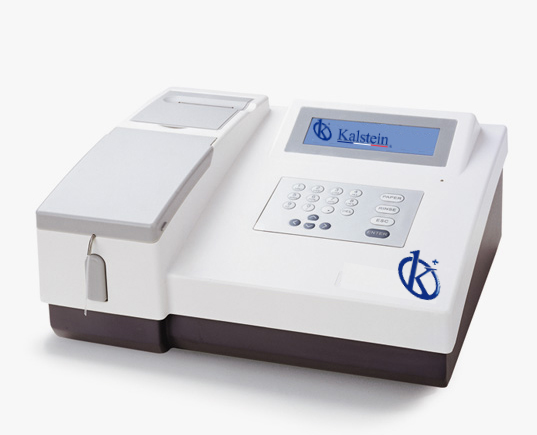
For example, the Semi-automatic Chemistry Analyzer YR05115 and Semi-automatic Chemistry Analyzer YR05114 are equipped with features that allow laboratories to optimize reagent usage. Both models come with preprogrammed tests that enable users to select only the necessary assays, aiding in reducing waste.
Energy Consumption Analysis of Various Models
Understanding the energy consumption metrics of different chemical analyzers is crucial in making an energy-efficient choice. Below, we provide an analysis of the energy consumption of several models:
| Model | Energy Consumption (kWh) | Features Impacting Energy Usage |
|---|---|---|
| YR05115 | 0.15 kWh/test | Energy-saving light source and hibernation mode |
| YR05114 | 0.15 kWh/test | Similar to YR05115 with additional features |
| YR06092 | 0.05 kWh/test | Compact design with energy-efficient heating |
| YR06075 | 0.25 kWh/test | High throughput with substantial energy use |
Comparison of Available Models
| Model | Energy Consumption (kWh/test) | Key Features | Best For |
|---|---|---|---|
| YR05115 | 0.15 | Touchscreen, hibernation mode, 10,000 results memory | Medium-sized labs with moderate testing needs |
| YR05114 | 0.15 | Touchscreen, multiple assay capabilities | Shared laboratories requiring flexibility |
| YR06092 | 0.05 | Portable, designed for limited spaces | Fieldwork and remote labs |
| YR06075 | 0.25 | High throughput, extensive assay range | High-volume testing environments |
| YR05116 | 0.10 | Windows OS, user-friendly interface | Labs seeking advanced data management |
| YR06078 | 0.10 | Multiple wavelength options, high storage capacity | Labs needing versatile applications |
Strategies for Reducing Environmental Footprint
Laboratories can implement several strategies to reduce their environmental footprint when using chemical analyzers:
- Select Energy-Efficient Models: Choose analyzers that are designed with energy-saving technologies and low energy consumption rates.
- Optimize Reagent Use: Streamline protocols to minimize unnecessary reagent consumption, thus reducing chemical waste.
- Implement Regular Maintenance: Ensure analyzers are regularly calibrated and maintained to operate at optimal efficiency, minimizing energy use.
- Support Recycling Programs: Participate in recycling programs for old analyzers, avoiding e-waste.
Common Mistakes and How to Avoid Them
When selecting and using chemical analyzers, laboratories often make common mistakes that can hinder sustainability goals. To assist in avoiding these pitfalls, consider the following:
- Neglecting Energy Efficiency: Always consider energy consumption ratings when purchasing analyzers. Tools like ENERGY STAR ratings can guide decision-making.
- Overlooking Reagent Management: Inadequate reagent management leads to excessive waste. Utilize programs that track reagent usage and expiration dates.
- Ignoring Maintenance Requirements: Regular maintenance is crucial for performance. Establish a maintenance schedule to keep analyzers functioning efficiently.
Frequently Asked Questions
How does energy efficiency impact the operational costs of chemical analyzers?
Energy efficiency significantly reduces operational costs. For instance, the Semi-automatic Chemistry Analyzer YR05115 operates at 0.15 kWh per test, translating into lower energy bills compared to less efficient models.
What are the best practices for minimizing reagent waste in chemical analysis?
Best practices include selecting analyzers like the Semi-automatic Chemistry Analyzer YR05114, which features preprogrammed tests to ensure only necessary assays are run, thus minimizing reagent waste.
Which models provide the lowest energy consumption for chemical testing?
The Portable Chemical Analyzer YR06092 has the lowest energy consumption at 0.05 kWh per test, making it an ideal choice for laboratories focusing on energy sustainability.
How do chemical analyzers contribute to environmental sustainability?
Chemical analyzers like the Semi-automatic Chemistry Analyzer YR06078 reduce environmental impact by optimizing reagent use and minimizing energy consumption, essential for laboratories committed to sustainability.
What certification should I look for in energy-efficient chemical analyzers?
Look for certifications such as ENERGY STAR or EPEAT, which indicate that models like the Semi-automatic Chemistry Analyzer YR05115 meet energy efficiency and environmental performance standards.
How can I assess the lifecycle impact of a chemical analyzer?
Assessing lifecycle impact involves evaluating energy consumption, materials used, and disposal methods. Tools and frameworks exist to assist with lifecycle assessments of devices like the Automatic Chemistry Analyzer YR06075.
What role does regular maintenance play in energy efficiency?
Regular maintenance ensures that chemical analyzers operate at peak efficiency, reducing energy waste. Models like the Semi-automatic Chemistry Analyzer YR05116 benefit from regular upkeep to maintain their energy efficiency.
How can I encourage my lab to adopt more sustainable practices?
Encourage sustainable practices by selecting energy-efficient models, like the YR06092, and implementing waste management strategies that emphasize recycling and efficient reagent use.
If you are looking for a fusion of innovation and quality, you have come to the right place. At Kalstein, we offer you the luxury of exploring our exclusive catalog of laboratory equipment. We manufacture every device to the highest standards of excellence. Our intuitive and seamless online purchasing channels are designed for your convenience, securing the most competitive prices. Hesitate no longer — we bring science to life, it is time to become part of our community.