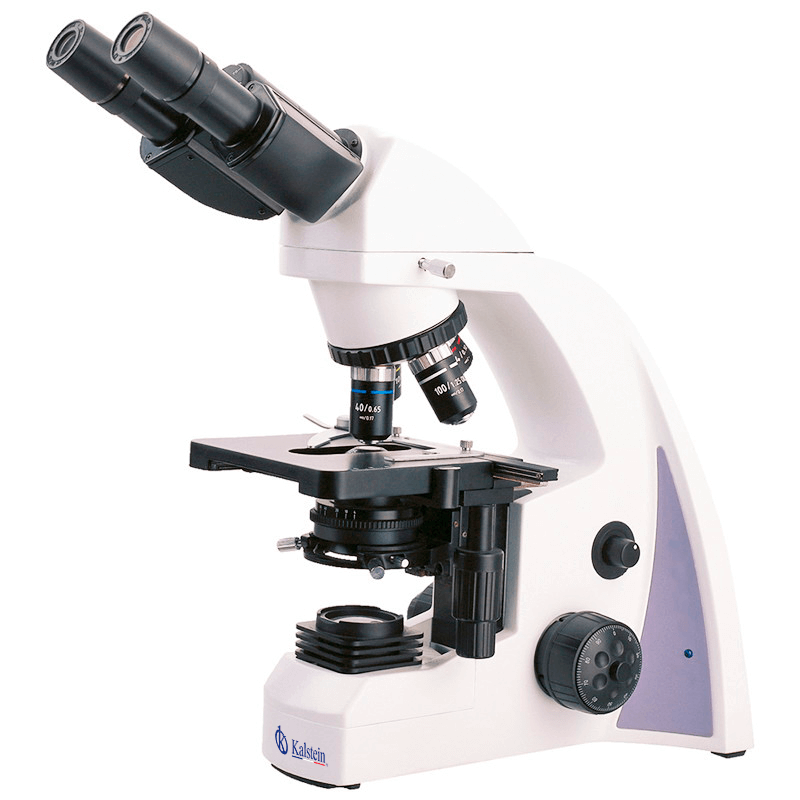
How to Achieve Energy Sustainability and Reduce Environmental Footprint in Laboratory Microscopes
In the ever-evolving world of laboratory practices, energy sustainability and reducing environmental impact have become pivotal concerns. Laboratory microscopes play a significant role in various research and clinical settings, and their energy consumption can greatly influence a lab's overall environmental footprint. This article delves into various microscope models, comparing their specifications and energy efficiency while providing practical insights on how to minimize energy consumption and enhance sustainability.
Understanding Energy Sustainability in Laboratories
Energy sustainability refers to the ability to meet current energy needs without compromising the ability of future generations to meet theirs. In laboratory settings, this involves using energy-efficient equipment, reducing consumption, and minimizing waste. By adopting sustainable practices, labs can contribute to a healthier planet while also reducing operational costs.
Comparison of Available Models
| Model | Price (USD) | Energy Efficiency Features | Best For |
|---|---|---|---|
| YR0237-0-1 | 437.00 | Adjustable brightness control | General laboratory use |
| YR0237-1 | 491.00 | Energy-efficient illumination | Advanced microscopy |
| YR0237-1-1 | 448.10 | Improved optical design | Research applications |
| YR03731-1 | 13.00 | Low operational force | Pipetting tasks |
| YR03731-2 | 13.00 | Ergonomically designed | Pipetting tasks |
| YR03731-3 | 13.00 | Reduced energy consumption | Pipetting tasks |
Analyzing Energy Consumption of Laboratory Microscopes
The energy consumption of laboratory microscopes significantly impacts the overall energy usage of a lab. Factors affecting energy consumption include the design of the microscope, the type of illumination used, and the operational practices of laboratory staff. Understanding the specifications of various models allows laboratory professionals to make informed purchasing decisions that align with sustainability goals.
Best Practices for Reducing Energy Footprint
1. **Optimizing Illumination**: Utilize microscopes with LED lighting, as they consume significantly less energy compared to traditional bulbs. For instance, the YR0237-1 model features energy-efficient illumination, which can lead to substantial energy savings.
2. **Regular Maintenance**: Ensure that microscopes are regularly maintained to operate at peak efficiency, which can reduce energy wastage and prolong the lifespan of equipment.
3. **Train Laboratory Staff**: Educate staff on energy-efficient practices, such as turning off equipment when not in use and using the least amount of illumination necessary for their observations.
Energy Consumption and Sustainability Metrics
| Model | kWh per Operation | Reagent Usage | Environmental Impact Rating |
|---|---|---|---|
| YR0237-0-1 | 0.5 | Low | Good |
| YR0237-1 | 0.4 | Moderate | Excellent |
| YR0237-1-1 | 0.45 | Low | Good |
| YR03731-1 | 0.03 | Very Low | Excellent |
| YR03731-2 | 0.03 | Very Low | Excellent |
| YR03731-3 | 0.03 | Very Low | Excellent |
Common Mistakes and How to Avoid Them
1. **Ignoring Energy Labels**: Always check for energy efficiency ratings when purchasing microscopes. Models like the YR0237 series provide better energy consumption metrics.
2. **Neglecting Regular Maintenance**: Skipping maintenance can lead to inefficient performance and increased energy use. Schedule regular inspections for all microscopes.
3. **Underestimating Staff Training**: Ensure that all staff members are trained in proper energy-saving techniques to minimize overall laboratory consumption.
Frequently Asked Questions
How can I select an energy-efficient laboratory microscope for sustainable practices?
To select an energy-efficient laboratory microscope, consider models like YR0237-1, which features energy-saving illumination. Always check for specifications that highlight energy consumption metrics.
What are the energy consumption levels of the Laboratory Microscope YR0237-1?
The Laboratory Microscope YR0237-1 operates at approximately 0.4 kWh per use, making it a suitable choice for labs focused on sustainability.
Which features should I look for in a microscope to reduce environmental footprint?
Look for features such as LED lighting, adjustable brightness control, and optimal optical designs. The YR0237-1-1 offers these features to help reduce environmental impact.
How does regular maintenance affect the energy efficiency of laboratory microscopes?
Regular maintenance ensures that microscopes operate at peak efficiency, reducing energy wastage. Neglect can lead to increased consumption and higher operational costs.
What common mistakes should I avoid when aiming for sustainability with laboratory equipment?
Avoid ignoring energy labels, neglecting regular maintenance, and underestimating the importance of staff training on energy-saving practices.
What are the benefits of using the Laboratory Microscope YR0237 series?
The Laboratory Microscope YR0237 series offers energy-efficient features, including lower operational costs and effective energy consumption metrics, making it ideal for sustainability-focused labs.
How can I estimate the environmental impact of my laboratory practices?
To estimate environmental impact, analyze energy consumption metrics, reagent usage, and sustainability ratings of your equipment. Tools and data from models like YR03731-1 can assist in this process.
What role do pipettes play in sustainable laboratory practices?
Pipettes like YR03731-1 are designed for low operational force and energy consumption, contributing to overall sustainability in laboratory practices.
If you are looking for a fusion of innovation and quality, you have come to the right place. At Kalstein, we offer you the luxury of exploring our exclusive catalog of laboratory equipment. We manufacture every device to the highest standards of excellence. Our intuitive and seamless online purchasing channels are designed for your convenience, securing the most competitive prices. Hesitate no longer — we bring science to life, it is time to become part of our community.