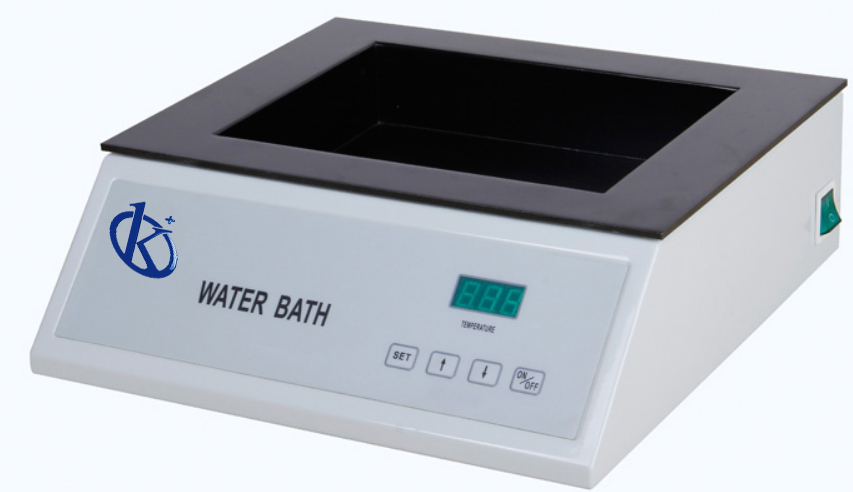
Energy Sustainability and Reduction of Environmental Footprint in Tissue Water Baths
As laboratories continuously strive for operational efficiency and reduced environmental impact, tissue water baths have emerged as essential tools in the pathological anatomy field. These devices not only facilitate numerous applications in histology and tissue processing but also play a crucial role in energy sustainability. In this article, we will explore the implications of energy consumption, the benefits of functional design, and how specific models contribute to a greener laboratory environment.
Understanding the Impact of Energy Consumption
The traditional operation of laboratory equipment often leads to high energy consumption, contributing to a larger carbon footprint. Tissue water baths, utilized for maintaining temperature stability during sample preparation, can consume considerable amounts of power if not designed with energy efficiency in mind. Evaluating the energy requirements of these devices is critical for laboratories looking to align with sustainability goals.
Energy Metrics and Their Relevance
To assess energy performance, laboratory managers should consider various metrics including kilowatt-hour (kWh) per usage, standby power consumption, and overall lifecycle energy. The latest models in the market are designed to optimize these metrics, thus contributing to lower operational costs and improved energy efficiency.
Comparison of Available Models
| Model | Temperature Range | Power Consumption (W) | Best for |
|---|---|---|---|
| YR449 | RT to 90℃ | 200 | General tissue processing |
| YR451 | 0 - 85℃ | 400 | High-precision temperature control |
| YR452 | RT - 75℃ | 500 | High-volume tissue preparation |
Efficiency Innovations in Tissue Water Baths
Modern tissue water baths integrate advanced technologies designed for energy savings. Features such as digital displays, automatic temperature control, and programmable settings significantly reduce unnecessary energy expenditure. For instance, the Water Bath YR449 utilizes a new heating element that not only heats quickly but also maintains temperature with minimal energy use. This model exemplifies how laboratories can achieve sustainability while ensuring operational efficiency.
Evaluating Lifecycle Energy Costs
When assessing the long-term sustainability of tissue water baths, it is essential to consider their lifecycle energy costs. This evaluation involves calculating the total energy consumed throughout the device's operational lifespan, factoring in maintenance and potential repairs. Models like YR451 that feature automatic settings can help mitigate energy wastage, leading to lower total lifecycle costs.
Common Mistakes and How to Avoid Them
Laboratories often overlook the importance of energy efficiency when selecting equipment. A common mistake is not evaluating the power consumption of different models thoroughly. When choosing a tissue water bath, managers should consider not only the initial investment but also the operational costs associated with energy use. Conducting a comparative analysis of models like YR449, YR451, and YR452 can yield insights into the best options for sustainability.
Neglecting Maintenance Practices
Another frequent error is neglecting regular maintenance, which can lead to inefficiencies and increased energy consumption. Ensuring that the heating elements and controls are functioning properly can save energy and maintain desired temperature settings, particularly in models like YR452 that handle large volumes.
Frequently Asked Questions
How can tissue water baths contribute to energy sustainability in laboratories?
Tissue water baths, like the YR449, contribute to energy sustainability by incorporating advanced heating technologies that optimize energy use. By reducing standby power consumption and maintaining precise temperatures, these models limit energy waste, thereby lowering the laboratory's overall environmental footprint.
What are the energy consumption patterns of the YR451 tissue water bath?
The YR451 tissue water bath operates with a power consumption of 400W and features an automatic temperature control system that minimizes energy waste. This model is ideal for laboratories focused on achieving high precision while maintaining energy efficiency, contributing to lower operational costs.
Which model is best for reducing environmental impact in tissue processing?
The YR449 model is particularly effective in reducing environmental impact due to its efficient heating element and low energy consumption of 200W. This makes it suitable for general tissue processing while supporting laboratory sustainability efforts.
How does temperature control affect the energy efficiency of tissue water baths?
Temperature control is critical in energy efficiency; models such as YR451 utilize microprocessor technology to maintain set temperatures with minimal energy expenditure. Efficient temperature management prevents energy waste, leading to lower operational costs and a reduced carbon footprint.
What is the significance of lifecycle energy assessment for tissue water baths?
Lifecycle energy assessment helps laboratories understand the total energy consumption of tissue water baths over their lifespan. This insight is critical for making informed equipment choices; for instance, the YR452's higher power consumption can be justified if it significantly enhances throughput and efficiency compared to less efficient models.
How can laboratories reduce energy costs using tissue water baths?
By selecting energy-efficient models like the YR449 and employing best practices in temperature management, laboratories can significantly reduce energy costs. Proper usage and maintenance also ensure that these devices operate at maximum efficiency, minimizing energy waste.
What features should be considered for sustainable tissue water baths?
When selecting tissue water baths, features such as energy-efficient heating elements, digital controls for precise temperature management, and programmable settings should be prioritized. Models like YR451 provide these capabilities, making them ideal for labs focused on sustainability.
If you are looking for a fusion of innovation and quality, you have come to the right place. At Kalstein, we offer you the luxury of exploring our exclusive catalog of laboratory equipment. We manufacture every device to the highest standards of excellence. Our intuitive and seamless online purchasing channels are designed for your convenience, securing the most competitive prices. Hesitate no longer — we bring science to life, it is time to become part of our community.