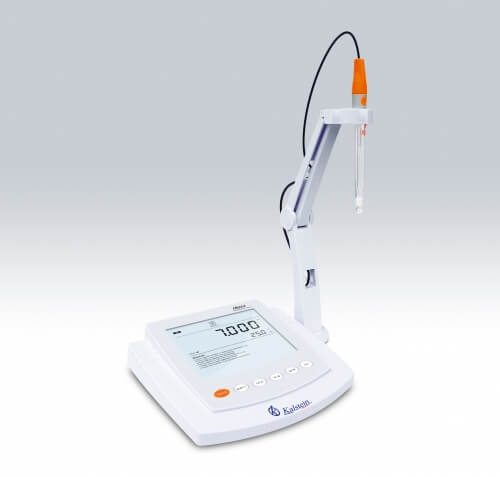
How to Enhance Energy Sustainability in Table Conductivity Controllers
In the modern laboratory, the emphasis on energy sustainability is becoming increasingly important. Table conductivity controllers, used widely for measuring the electrical conductivity of liquids, represent a key area where energy efficiency can be improved. This article will delve into various table conductivity controller models, examining their energy consumption, environmental impact, and how they align with sustainability practices. By optimizing these devices, laboratories can significantly reduce their carbon footprint while maintaining high standards of quality and accuracy in their measurements.
Understanding the Importance of Energy Sustainability
Energy sustainability in laboratories encompasses not only the reduction of energy consumption but also the responsible sourcing of energy and materials. For table conductivity controllers, energy-efficient designs can directly lead to lower operational costs and reduced environmental degradation. Implementing energy-efficient technology is a step towards compliance with sustainability regulations and international standards, such as ISO 14001, which governs environmental management systems.
Analysis of Environmental Impact of Table Conductivity Controllers
The environmental impact of laboratory equipment extends beyond energy consumption; it also includes the lifecycle of the product, from production to disposal. The use of table conductivity controllers contributes to this lifecycle, particularly through:
- Energy usage during operation
- Material sustainability in manufacturing
- Waste generated from consumables
Understanding these factors aids laboratories in selecting devices that align with their sustainability goals.
Energy Consumption Metrics in Table Conductivity Controllers
When evaluating table conductivity controllers, energy consumption is a key metric. Different models exhibit varying energy efficiencies, which can be quantified in kilowatt-hours (kWh) per use. Below is a comparison of average energy consumption across selected models:
| Model | Energy Consumption (kWh/use) | Best for |
|---|---|---|
| YR01836-1 | 0.05 | Multiparameter measurements |
| YR01836 | 0.04 | Daily laboratory use |
| YR01829-1 | 0.06 | Classic applications |
| YR01829-2 | 0.06 | Routine checks |
| YR01829 | 0.05 | Advanced conductivity analysis |
| YR01828 | 0.05 | Multiple parameter analysis |
Choosing the Right Model for Sustainability Goals
When selecting a table conductivity controller, laboratories must consider both performance and sustainability features. The YR01836-1 model, for example, offers multiparameter analysis capabilities while maintaining lower energy consumption compared to other models. Similarly, the design of YR01828 includes features that enhance energy efficiency, such as automatic temperature compensation (ATC) which helps in accurate readings without additional energy draw.
Calibration and Maintenance Practices for Energy Efficiency
Regular calibration and maintenance of table conductivity controllers are necessary to ensure they operate efficiently. Calibration intervals should be established based on usage and manufacturer recommendations, typically every 6 months. A well-maintained device will not only provide accurate readings but also consume less energy over time. Here’s a sample calibration schedule to follow:
| Model | Calibration Interval | Recommended Calibration Standards |
|---|---|---|
| YR01836-1 | 6 months | NIST |
| YR01836 | 6 months | DIN |
| YR01829-1 | 6 months | Standard solutions |
| YR01829-2 | 6 months | Standard solutions |
| YR01829 | 6 months | NIST |
| YR01828 | 6 months | Standard solutions |
Common Mistakes and How to Avoid Them
Laboratories often encounter pitfalls when aiming for energy sustainability with their equipment. Common mistakes include:
- Neglecting regular maintenance and calibration
- Not considering energy efficiency in device selection
- Failing to recycle or properly dispose of old equipment
To avoid these errors, laboratories should establish clear guidelines for maintenance, perform due diligence when selecting equipment, and implement recycling programs for obsolete devices.
Comparison of Available Models
| Model Code | Price (USD) | Energy Consumption (kWh/use) | Best for | Calibration Interval |
|---|---|---|---|---|
| YR01836-1 | 355.00 | 0.05 | Multiparameter measurements | 6 months |
| YR01836 | 199.00 | 0.04 | Daily laboratory use | 6 months |
| YR01829-1 | 160.00 | 0.06 | Classic applications | 6 months |
| YR01829-2 | 235.00 | 0.06 | Routine checks | 6 months |
| YR01829 | 285.00 | 0.05 | Advanced conductivity analysis | 6 months |
| YR01828 | 232.00 | 0.05 | Multiple parameter analysis | 6 months |
Frequently Asked Questions
How can I choose an energy-efficient table conductivity controller for my lab?
To choose an energy-efficient table conductivity controller, consider models like the YR01836, which has lower energy consumption at 0.04 kWh per use, while also providing reliable performance for daily laboratory tasks. Ensure to evaluate key metrics like energy consumption and operational features to align with your laboratory's sustainability goals.
What is the energy consumption of the YR01836-1 model?
The YR01836-1 model has an energy consumption of 0.05 kWh per use, which is relatively efficient for a multiparameter meter, making it a suitable choice for laboratories aiming to reduce their energy footprint while conducting various analyses.
Which table conductivity controller is best for minimizing environmental impact?
The YR01836 is regarded as a strong candidate for minimizing environmental impact due to its low energy consumption of 0.04 kWh per use and its built-in features that support sustainable laboratory practices. It effectively balances functionality and eco-friendliness.
How often should I calibrate my conductivity meter to ensure sustainability?
It is recommended to calibrate your conductivity meter, including models like the YR01829, every 6 months to ensure accurate measurements and efficient operation. Regular calibration helps maintain device performance and energy efficiency.
What features should I look for in a sustainable table conductivity controller?
When searching for a sustainable table conductivity controller, look for features like automatic temperature compensation, low energy consumption metrics, and robust calibration capabilities, as seen in models like the YR01828, which enhance efficiency and sustainability in the lab.
How can I reduce the carbon footprint of my lab equipment?
To reduce the carbon footprint of lab equipment, consider investing in models like the YR01836 or YR01829 that offer energy-efficient operation, and implement regular maintenance and calibration practices to ensure optimal performance and lower energy usage.
What sustainability certifications should I look for in laboratory equipment?
When selecting laboratory equipment, look for sustainability certifications like ENERGY STAR or EPEAT, which indicate energy-efficient designs. Models such as the YR01836-1 are designed with sustainability in mind, making them suitable choices for eco-conscious laboratories.
If you are looking for a fusion of innovation and quality, you have come to the right place. At Kalstein, we offer you the luxury of exploring our exclusive catalog of laboratory equipment. We manufacture every device to the highest standards of excellence. Our intuitive and seamless online purchasing channels are designed for your convenience, securing the most competitive prices. Hesitate no longer — we bring science to life, it is time to become part of our community.