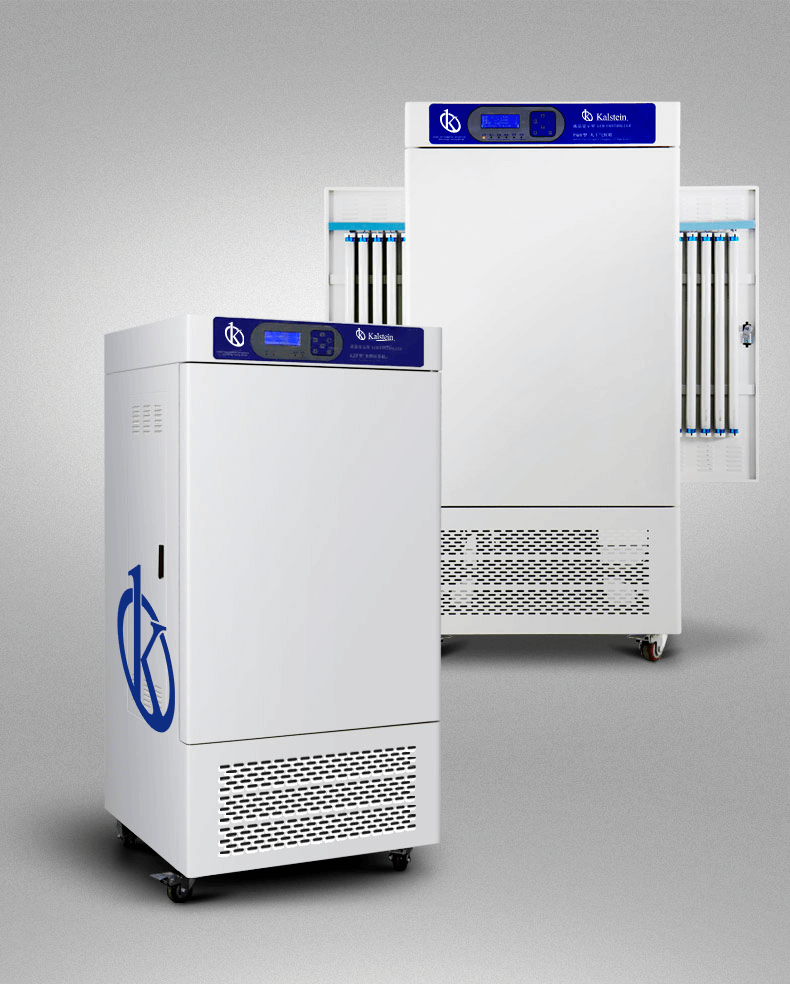
Environmental Chambers: Practical Applications and Techniques 2026
Environmental chambers, also known as climatic chambers or incubators, serve a critical role in various laboratory settings. They simulate specific environmental conditions, allowing scientists and researchers to conduct experiments under controlled temperature and humidity settings. In 2026, the significance of these chambers continues to evolve, and understanding their applications is vital for laboratory professionals aiming to optimize their workflows.
What is it used for in 2026
In 2026, environmental chambers are increasingly utilized in fields such as biology, agriculture, medicine, and environmental science. They provide a controlled environment essential for:
- Growth studies: Supporting the growth of bacteria, plants, or other organisms under specified conditions.
- Testing: Allowing product testing for durability, reliability, and functionality under simulated climatic conditions.
- Research: Enabling scientists to conduct experiments that require precise temperature and humidity control.
History and evolution of the technology
The concept of environmental chambers dates back several decades. Initially, simple temperature-controlled rooms were used, but advancements in technology have led to the development of sophisticated chambers capable of creating highly specific and customizable conditions. Over the years, innovations such as better insulation materials, advanced humidity control systems, and automated monitoring have enhanced the precision and reliability of these chambers.
How to use it step by step
Using an environmental chamber involves several steps to ensure effective operation:
- Preparation: Ensure the chamber is clean and free from contaminants. Check that all components function correctly.
- Set Parameters: Input the desired temperature, humidity, and lighting conditions based on the experiment requirements.
- Load Samples: Carefully place samples or organisms inside the chamber, ensuring they are arranged for optimal air circulation.
- Monitor Conditions: Regularly check the chamber’s internal conditions using the built-in monitoring system to ensure stability.
- Data Collection: Record data throughout the experiment, noting any variations in conditions that may affect results.
- Post-Experiment Cleanup: After use, clean the chamber to prevent contamination for future experiments.
Best techniques and protocols
Key techniques for using environmental chambers effectively include:
- Calibration: Regularly calibrate temperature and humidity sensors for accurate readings.
- Documentation: Keep detailed records of conditions and results for reproducibility.
- Regular Maintenance: Perform routine checks and maintenance to ensure optimal performance.
- Use of Control Groups: Employ control groups in experiments for comparative analysis.
Practical applications by laboratory type
Various laboratories employ environmental chambers for distinct applications:
Biological Laboratories
Used for culturing cells and microorganisms under controlled conditions, facilitating studies in genetics and microbiology.
Agricultural Research Facilities
Support research on plant growth, pest resistance, and crop yield under variable climate scenarios.
Quality Control Laboratories
Used for testing the durability and performance of products in simulated environmental conditions.
Regulations, standards and certifications
Environmental chambers must comply with various regulations and standards to ensure safety and efficacy. Important certifications include:
- ISO 9001: Standards for quality management systems.
- ISO 17025: Standards for testing and calibration laboratories.
- Good Laboratory Practices (GLP): Guidelines to ensure the quality and integrity of laboratory data.
Comparison with alternative technologies
While environmental chambers are essential, alternatives such as walk-in coolers and incubators may be suitable for specific applications. Walk-in coolers provide larger spaces for bulk storage, while incubators often serve simpler temperature control needs. The choice often depends on the specific environmental conditions required and the scale of the experiment.
Comparison of available models
| Model | Best for | Key specs | Recommended use case |
|---|---|---|---|
| YR05328 | General bacterial incubation | Temperature: 10~60℃ with lighting, 5~60℃ without, Humidity: 50%-90% | Ideal for biological research in controlled growth studies. |
| YR05329 | Advanced environmental testing | Temperature: 10~60℃ with lighting, 5~60℃ without, Humidity: 50%-90% | Suitable for extensive agricultural and environmental research. |
| YR05330 | Comprehensive growth monitoring | Temperature: 10~60℃ with lighting, 5~60℃ without, Humidity: 50%-90% | Optimal for multi-faceted studies requiring variable conditions. |
Common mistakes and how to avoid them
Some common mistakes when using environmental chambers include:
- Neglecting Calibration: Always calibrate sensors regularly to prevent inaccurate readings.
- Overloading the Chamber: Ensure the chamber is not overcrowded to maintain environmental stability.
- Ignoring Data: Monitor and document changes in environmental conditions consistently.
Maintenance, calibration and good practices 2026
For effective operation in 2026, maintenance and calibration of environmental chambers involve:
- Weekly Checks: Inspect temperature and humidity controls weekly.
- Monthly Maintenance: Conduct thorough cleaning and system checks monthly.
- Annual Calibration: Ensure all sensors and systems are calibrated annually by a qualified technician.
Cost-benefit analysis 2026
Investing in environmental chambers can yield significant benefits in research output and quality assurance. While the initial costs might be high, the return on investment comes from improved experiment accuracy, reduced waste, and enhanced research capabilities. The savings from more efficient operations and successful experiments often justify the expenditure.
Frequently asked questions
What factors should I consider when choosing an environmental chamber?
When selecting an environmental chamber, consider the temperature and humidity ranges required, the size of the chamber, the type of controls and monitoring systems, and the specific applications it will support.
How do I ensure my environmental chamber stays calibrated?
Regularly schedule calibration checks with a qualified technician, follow manufacturer recommendations for maintenance, and monitor the internal conditions frequently.
Can I use an environmental chamber for long-term studies?
Yes, environmental chambers are designed for both short and long-term studies, provided they are routinely monitored and maintained to ensure consistent conditions.
What should I do if the temperature fluctuates in my chamber?
If you notice temperature fluctuations, check for any obstructions to air circulation, assess the calibration of the sensors, and review the settings to ensure they are correctly configured.
Are there specific cleaning protocols for environmental chambers?
Yes, always follow the manufacturer’s cleaning recommendations, typically involving non-corrosive cleaning agents and ensuring all surfaces are sanitized before new samples are introduced.
How does the size of the chamber affect my experiments?
The size of the chamber impacts the number of samples you can run simultaneously and the uniformity of conditions. Ensure the size fits your experimental design to avoid overcrowding.
Where can I find more information about purchasing an environmental chamber?
You can request a quote for environmental chambers and get more information on specifications by contacting Kalstein Plus.
If you are looking for a fusion of innovation and quality, you have come to the right place. At Kalstein, we offer you the luxury of exploring our exclusive catalog of laboratory equipment. We manufacture every device to the highest standards of excellence. Our intuitive and seamless online purchasing channels are designed for your convenience, securing the most competitive prices. Hesitate no longer — we bring science to life, it is time to become part of our community.