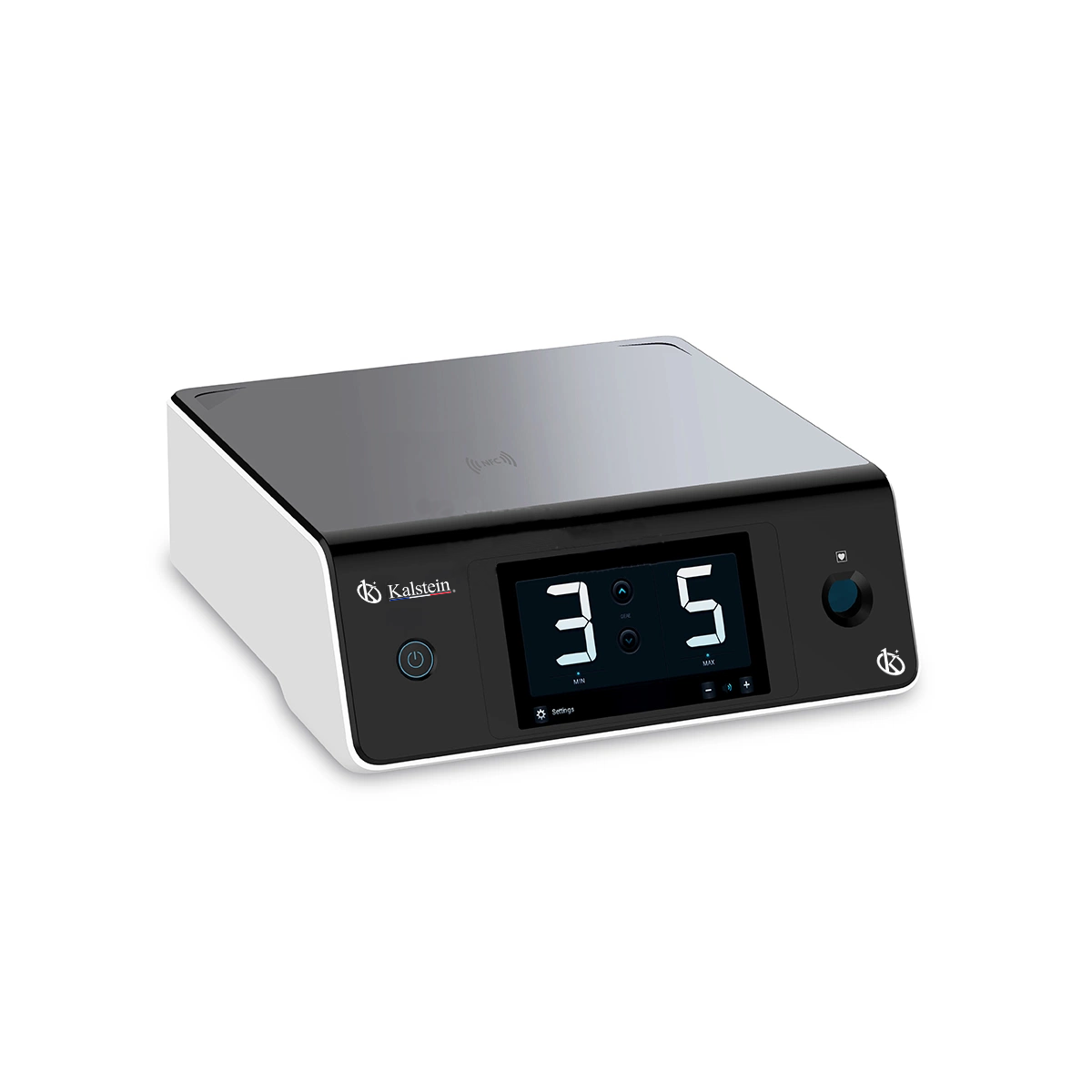
Evaluating Veterinary Electrosurgical Units for Energy Sustainability and Environmental Footprint Reduction
In the landscape of veterinary surgical equipment, electrosurgical units have become essential tools for veterinarians, offering precision and efficiency. However, with the growing emphasis on energy sustainability and reducing environmental footprints, it is crucial to evaluate how different models contribute to these goals. This article delves into multiple models of veterinary electrosurgical units, focusing on their features, benefits, and how they align with sustainability metrics.
Understanding Energy Sustainability in Veterinary Electrosurgery
Energy sustainability is increasingly vital in the medical field as it not only impacts operational costs but also affects environmental health. Veterinary electrosurgical units, which use electrical energy to cut and coagulate tissues, can vary significantly in their energy consumption and waste production. By examining the specifications and operational features of these units, we can identify which models are designed to minimize energy usage and reduce the overall environmental footprint.
Key Features Influencing Energy Efficiency
When assessing veterinary electrosurgical units, several key features impact their energy efficiency:
- Power Consumption: Lower power consumption devices reduce energy costs and environmental impact.
- Mode of Operation: Units with multiple operational modes can optimize energy use depending on the task.
- Material Efficiency: The efficiency of the materials used can affect the device's overall energy usage and lifecycle sustainability.
Comparison of Available Models
| Model | Power Consumption (W) | Best for | Key Features |
|---|---|---|---|
| YR06129 | 690 | Ultrasonic cutting | Two output modes, stable output current |
| YR06130 | 150 | General surgeries | Touchscreen control, seven working modes |
| YR06131 | 300 | Laparoscopic surgeries | Automatic identification, reduced smoke generation |
| YR06132 | 300 | General surgical procedures | Multiple coagulation modes, deep coagulation effect |
| YR06133 | 15 | Laser procedures | Portable, dual wavelength operation |
| YR06134 | 15 | Laser procedures | Compact, easy to transport |
Energy Consumption Analysis of Electrosurgical Units
Analyzing the energy consumption of various models helps in determining their suitability for energy-efficient operations. The following table illustrates the average energy consumption of selected models under typical usage scenarios:
| Model | Average Consumption (kWh) | Operating Time (hours) | Total Energy Cost ($) |
|---|---|---|---|
| YR06129 | 0.69 | 2 | 0.083 |
| YR06130 | 0.15 | 2 | 0.018 |
| YR06131 | 0.30 | 2 | 0.037 |
| YR06132 | 0.30 | 2 | 0.037 |
| YR06133 | 0.015 | 2 | 0.002 |
| YR06134 | 0.015 | 2 | 0.002 |
Common Mistakes and How to Avoid Them
When selecting a veterinary electrosurgical unit, practitioners often make several common mistakes that can compromise both operational efficiency and sustainability:
- Ignoring Energy Ratings: Always check the energy consumption specifications to avoid high operational costs.
- Choosing Complex Models: Some advanced features might lead to increased energy use; select models that fit your specific needs.
- Neglecting Maintenance: Regular maintenance is crucial for optimal performance and energy efficiency.
Frequently Asked Questions
How do veterinary electrosurgical units contribute to environmental sustainability?
Veterinary electrosurgical units, like the YR06130, are designed to minimize energy consumption during procedures, directly reducing the environmental footprint. These units typically offer multiple operational modes, allowing veterinarians to choose a setting that optimizes power usage for different surgical tasks, contributing to sustainable practices.
What are the energy efficiency ratings of popular veterinary electrosurgical units?
Energy efficiency ratings can vary among models such as YR06131 and YR06132. The YR06131 supports automated identification, which enhances operational efficiency, while the YR06132 is designed for deep coagulation with adjustable settings, which can contribute to lower energy use during surgical procedures.
Which veterinary electrosurgical unit is best for reducing operational energy costs?
The YR06130 stands out for its lower power consumption of 150 watts, making it an ideal choice for reducing operational energy costs without sacrificing surgical performance. Its multifunctionality allows for versatility in various surgical applications, thereby optimizing energy use across different tasks.
What are some ways to further reduce the environmental impact of electrosurgical procedures?
To reduce environmental impact, practices can use models like the YR06133 which offers a portable diode laser operation, minimizing energy consumption. Additionally, implementing a proper maintenance schedule ensures optimal performance and longevity of the equipment, thereby reducing waste and energy use.
How can I determine the ROI from investing in energy-efficient electrosurgical units?
To determine ROI, consider the initial investment against the ongoing operational costs. For instance, investing in the YR06130 can lead to significant savings due to its low energy consumption. Calculating the payback period based on estimated savings over time can provide insights into the financial benefits of such investments.
What features should I look for in a veterinary electrosurgical unit for energy savings?
Look for features such as low power consumption, multiple operational modes, and automated systems, as seen in the YR06131. These features promote energy efficiency by allowing precise control over power usage during surgical procedures, helping to conserve resources while maintaining effectiveness.
Why is it important to consider the environmental footprint of electrosurgical units?
Considering the environmental footprint of electrosurgical units is essential as it reflects the commitment of veterinary practices to sustainability. Choosing energy-efficient models like the YR06132 not only reduces operational costs but also contributes to the overall environmental health, aligning with global sustainability goals.
How do I choose the right veterinary electrosurgical unit for my practice?
Choosing the right unit involves assessing specific needs such as the types of surgeries performed and energy-saving features. Models like the YR06129 are excellent for ultrasonic cutting, while the YR06130 is versatile for general surgeries. Evaluating both functionality and energy efficiency is key to making an informed decision.
If you are looking for a fusion of innovation and quality, you have come to the right place. At Kalstein, we offer you the luxury of exploring our exclusive catalog of laboratory equipment. We manufacture every device to the highest standards of excellence. Our intuitive and seamless online purchasing channels are designed for your convenience, securing the most competitive prices. Hesitate no longer — we bring science to life, it is time to become part of our community.