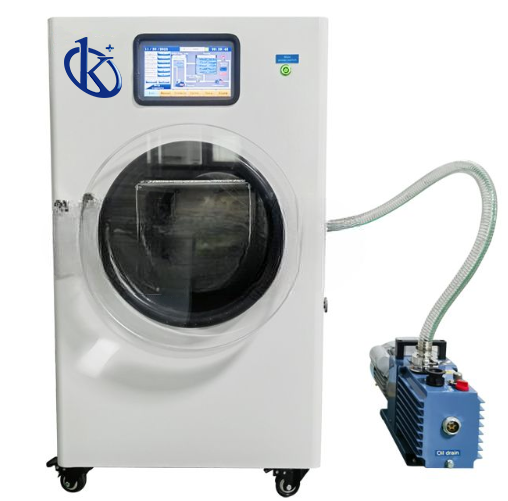
Food Freeze Dryer: Practical Applications and Techniques 2026
What is it used for in 2026
The food freeze dryer is used primarily for preserving food by removing moisture through a freeze-drying process. This allows food to retain its flavor, nutritional value, and texture for extended periods. In 2026, applications have expanded beyond personal use to include commercial food production, pharmaceuticals, and even biological research. This equipment facilitates the creation of lightweight, shelf-stable food products that are essential in various sectors, including emergency preparedness and outdoor recreational activities.
History and evolution of the technology
Freeze-drying began in the early 20th century, initially developed for preserving blood serum and vaccines. Over time, the technology evolved with advances in vacuum technology and refrigeration methods. By the late 20th century, freeze-dryers were adopted in the food industry, allowing producers to offer long-lasting food products. As of 2026, the technology has seen significant improvements, with enhanced efficiency, reduced energy consumption, and better quality preservation, making it accessible for both small-scale and large-scale applications.
How to use it step by step
Using a food freeze dryer involves several key steps:
- Preparation: Begin by selecting the food items to be freeze-dried. Clean and cut them into uniform pieces for even drying.
- Loading: Place the prepared food on the trays of the freeze dryer, ensuring there is space for air circulation.
- Setting the Machine: Adjust settings on the machine's control panel for freeze-drying. This typically includes temperature and time settings.
- Freeze-Drying Process: Start the machine. The freeze-dryer will freeze the food, create a vacuum, and then remove moisture through sublimation.
- Completion: Once the process is finished, check the dryness of the food. It should be completely dry and brittle.
- Packaging: Store the freeze-dried food in airtight containers to prevent moisture absorption.
Best techniques and protocols
To achieve optimal results when using a food freeze dryer, consider these best practices:
- Ensure food is pre-frozen before loading it into the freeze dryer for better results.
- Maintain vacuum pressure and temperature settings during the process to enhance drying efficiency.
- Regularly check the quality of the food during the drying process to ensure uniformity.
- Follow manufacturer guidelines for maintenance and routine checks to extend the lifespan of the equipment.
Practical applications by laboratory type
Various laboratories employ food freeze dryers for different purposes:
- Food Laboratories: Used for product development and testing, freeze dryers help preserve ingredients for analysis.
- Pharmaceutical Laboratories: Essential for preserving drugs and vaccines, ensuring their efficacy over time.
- Biological Research Labs: Used to preserve biological samples and maintain their integrity for future experiments.
Regulations, standards and certifications
Food freeze dryers must comply with various regulations and standards to ensure safety and quality, including:
- FDA regulations for food safety.
- ISO standards for laboratory equipment.
- Local health and safety regulations governing food processing and preservation.
Comparison with alternative technologies
When considering freeze drying, it is crucial to compare it with other preservation methods:
- Dehydration: Removes moisture but can alter taste and texture significantly.
- Canning: Preserves food via heat but may lead to nutrient loss.
- Refrigeration: Short-term storage method that doesn't offer long-term preservation.
Comparison of available models
| Model | Best for | Key specs | Recommended use case |
|---|---|---|---|
| YR05984 | General freeze-drying | Height: 930mm, Weight: 150kg, Power: 1550w | Small to medium food batches |
| YR05983 | Home use | Height: 700mm, Weight: 80kg, Power: 1100w | Home food preservation |
| YR05985 | Fruits and Vegetables | Height: 1300mm, Weight: 200kg, Power: 2000w | Commercial fruit and vegetable processing |
| YR06612 | Large scale production | Height: 3200mm, Weight: 150kg, Power: 150kW | Industrial food and pharmaceutical applications |
Common mistakes and how to avoid them
Here are some common mistakes when using food freeze dryers and how to avoid them:
- Overloading the machine: Ensure food trays are not overcrowded to maintain proper air circulation.
- Inadequate pre-freezing: Always pre-freeze food before placing it in the dryer to achieve optimal results.
- Ignoring machine maintenance: Regularly clean and maintain the equipment to prevent operational issues.
Maintenance, calibration and good practices 2026
Regular maintenance is crucial for the longevity of food freeze dryers:
- Perform routine cleaning of trays and vacuum seals.
- Calibrate temperature and vacuum gauges as recommended by the manufacturer.
- Document maintenance activities for compliance and operational efficiency.
Cost-benefit analysis 2026
When investing in a food freeze dryer, consider the following cost-benefit aspects:
- Initial investment vs. long-term savings on food wastage.
- Potential for profit through the sale of freeze-dried products.
- Energy costs versus the efficiency of newer models that consume less power.
Frequently asked questions
What are the main advantages of using a food freeze dryer?
Food freeze dryers offer several advantages, including the preservation of taste, texture, and nutritional value, as well as a longer shelf life for food items compared to other drying methods.
How do I choose the right freeze dryer model for my needs?
Consider your production volume, space availability, and specific application needs. Smaller models are suitable for home use, while larger models cater to commercial and industrial needs.
Can I freeze dry liquids or only solid foods?
Liquid foods can be freeze-dried, but they usually require special handling or freezing techniques before being loaded into the machine.
How long does the freeze-drying process take?
The duration of the freeze-drying process varies depending on the type and quantity of food being dried, typically ranging from 24 to 48 hours.
What should I do if my food is not fully dried?
If food is not fully dried, you can run it through another cycle to remove additional moisture, ensuring it is properly stored afterward.
Are there any specific safety standards I should follow?
Yes, always adhere to local food safety regulations, maintain cleanliness, and ensure the equipment is regularly calibrated and maintained properly.
How can I get a quote for a food freeze dryer?
You can request a quote by contacting us directly through our channels.
If you are looking for a fusion of innovation and quality, you have come to the right place. At Kalstein, we offer you the luxury of exploring our exclusive catalog of laboratory equipment. We manufacture every device to the highest standards of excellence. Our intuitive and seamless online purchasing channels are designed for your convenience, securing the most competitive prices. Hesitate no longer — we bring science to life, it is time to become part of our community.