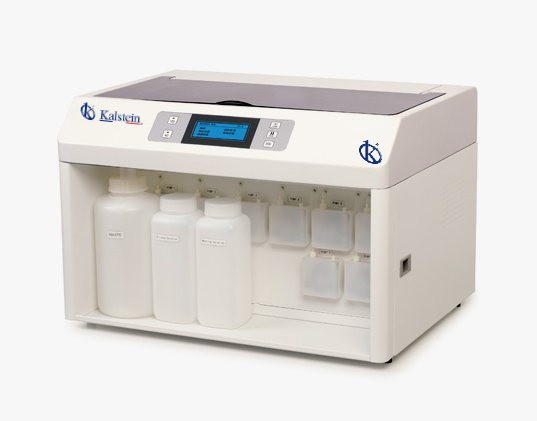
Food Safety Analyzers: Best Techniques and Protocols in 2026
Food Safety Analyzers have become crucial tools in laboratories dedicated to ensuring food safety and quality. This article will explore their applications, history, how to use them step by step, the best techniques and protocols for 2026, practical applications by laboratory type, relevant regulations, and comparisons with alternative technologies.
What is it used for in 2026
In 2026, Food Safety Analyzers are primarily used for detecting contaminants in food products, including pesticide residues, antibiotic residues, and organic pollutants. Their advanced capabilities enable laboratories to conduct multiple tests in one run, streamlining processes and enhancing accuracy. These analyzers help ensure compliance with health regulations and food safety standards, making them indispensable in both research and commercial settings.
History and evolution of the technology
The evolution of Food Safety Analyzers began with basic chemical tests in the early 20th century. As technology advanced, the introduction of automated systems led to higher throughput and reliability. Over the decades, the integration of sophisticated sensors, data analytics, and connectivity features has transformed these analyzers into powerful tools that can perform complex assays rapidly and accurately.
How to use it step by step
Using Food Safety Analyzers generally follows these steps:
- Preparation: Ensure the analyzer is calibrated and ready for use. Gather necessary reagents and samples.
- Sample Input: Load samples into the analyzer, following the recommended capacities and configurations.
- Program Selection: Choose the appropriate testing protocol for the analysis you want to perform.
- Execution: Start the analysis, monitoring the process through the user interface.
- Result Interpretation: Once completed, retrieve results, and interpret them according to established guidelines.
- Documentation: Record the outcomes and any observations for future reference.
Best techniques and protocols
In 2026, recommended techniques for Food Safety Analyzers include:
- Utilizing multiplex assays to maximize testing efficiency.
- Implementing strict calibration protocols to maintain accuracy.
- Regularly updating software for enhanced functionality and data management.
- Training personnel on the latest operational techniques to ensure optimal usage.
Practical applications by laboratory type
Different types of laboratories utilize Food Safety Analyzers:
- Research Laboratories: Focus on developing new testing methods and understanding food safety issues.
- Quality Control Laboratories: Regularly test products to ensure they meet safety standards before distribution.
- Food Production Facilities: Use analyzers on-site for real-time monitoring of product safety.
Regulations, standards and certifications
Food Safety Analyzers must comply with various regulations such as FDA standards, ISO certifications, and local health department guidelines. These regulations ensure that the analyzers deliver reliable results, which are vital for public health and safety in the food industry.
Comparison with alternative technologies
While traditional methods like chromatography and mass spectrometry are still in use, Food Safety Analyzers offer advantages such as speed, cost-effectiveness, and ease of use. Unlike these traditional methods, Food Safety Analyzers can conduct multiple tests simultaneously, making them more efficient in a high-throughput environment.
Comparison of available models
| Model | Best for | Key specs | Recommended use case |
|---|---|---|---|
| YR06090 | High-demand immunology tests | Up to 40 strips per run, 0.5mL - 3mL adjustable volume | Ideal for labs with high throughput needs |
| YR06089 | Food safety testing for contaminants | Range of absorbance 0 - 4,500Abs, 96-well microplate | Best for multi-analytic tests in food safety |
| YR06093 | Precise incubation and shaking | Temperature range 25-60°C, ±0.5°C accuracy | Suitable for microplate assays requiring incubation |
Common mistakes and how to avoid them
Common mistakes in using Food Safety Analyzers include:
- Improper calibration, leading to inaccurate results. Always follow the manufacturer’s calibration guidelines.
- Failure to maintain equipment, which can affect performance. Schedule regular maintenance checks.
- Not training staff adequately, resulting in operational errors. Provide ongoing training for all operators.
Maintenance, calibration and good practices 2026
To ensure optimal performance, regular maintenance and calibration of Food Safety Analyzers should include:
- Daily checks of various components and settings.
- Monthly calibration of the analyzer using standard reference materials.
- Documentation of maintenance logs for accountability and compliance.
Cost-benefit analysis 2026
Investing in Food Safety Analyzers presents significant benefits in terms of efficiency and accuracy. While the initial purchase cost may be high, the savings in time, labor, and materials, along with increased compliance with regulations, justify the investment. Laboratories can expect improved throughput and reliability, which ultimately enhances their credibility and success in the market.
Frequently asked questions
What should I consider when choosing a Food Safety Analyzer?
Consider factors such as the types of tests you need to perform, throughput requirements, and specific regulatory compliance necessary for your laboratory.
How can I improve the accuracy of my Food Safety Analyzer?
Regular calibration, routine maintenance, and proper operator training are crucial for maintaining high accuracy levels.
Can Food Safety Analyzers detect all types of contaminants?
While Food Safety Analyzers are versatile, not all models can detect every type of contaminant. It is essential to refer to the specifications to ensure it meets your needs.
How often should I service my Food Safety Analyzer?
Service frequency depends on usage, but a general guideline is to conduct thorough maintenance checks every six months.
Are there any regulatory certifications required for Food Safety Analyzers?
Yes, Food Safety Analyzers should comply with relevant regulations such as FDA guidelines and ISO certifications to ensure they meet safety and quality standards.
What is the typical lifespan of a Food Safety Analyzer?
With proper maintenance and care, Food Safety Analyzers can last for several years, typically between 5 to 10 years, depending on usage and technology advancements.
How do I request a quote for a Food Safety Analyzer?
You can easily request a quote through our online platform, where you can also explore our full range of laboratory equipment.
If you are looking for a fusion of innovation and quality, you have come to the right place. At Kalstein, we offer you the luxury of exploring our exclusive catalog of laboratory equipment. We manufacture every device to the highest standards of excellence. Our intuitive and seamless online purchasing channels are designed for your convenience, securing the most competitive prices. Hesitate no longer — we bring science to life, it is time to become part of our community.