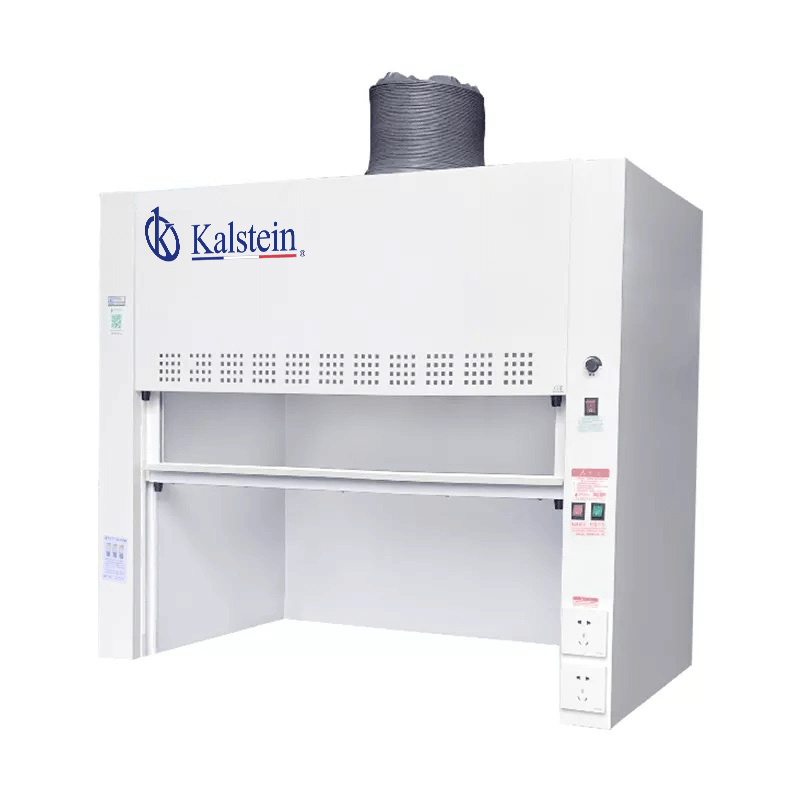
Comparative Analysis of Fume Hood Cabinets: Evaluating Features and Technologies
Fume hood cabinets are crucial in laboratory settings for ensuring safety and compliance with various regulations. This article delves into the comparative aspects of fume hood cabinets, focusing on different models and their performance, efficiency, and suitability for various applications. Laboratory professionals must evaluate these cabinets not only for safety but also for efficiency and cost-effectiveness in their workflows.
Understanding Fume Hood Cabinets
Fume hood cabinets are specialized enclosures designed to contain hazardous fumes, vapors, and particles generated during laboratory procedures. They function by using ventilation to draw contaminated air away from the user, reducing exposure to hazardous substances. In selecting a fume hood, it is essential to consider factors such as airflow performance, energy consumption, and compliance with safety standards.
Comparison of Available Models
| Model Code | Dimensions (mm) | Price (USD) | Best for | Ventilation Speed (m/s) | Noise Level (dB) |
|---|---|---|---|---|---|
| YR05808 | 650 x 650 x 1000 | 390.00 | Small chemical labs | 0.4-0.6 | ≤60 |
| YR05809 | 800 x 650 x 1000 | 420.00 | Educational institutions | 0.4-0.6 | ≤60 |
| YR05810 | 1000 x 650 x 1000 | 470.00 | Research laboratories | 0.4-0.6 | ≤60 |
| YR05811 | 1000 x 650 x 1000 | 508.00 | High-throughput environments | 0.4-0.6 | ≤60 |
| YR05812 | 1500 x 650 x 1000 | 526.00 | Large chemical processes | 0.4-0.6 | ≤60 |
| YR05813 | 800 x 650 x 1900 | 610.00 | Multi-user labs | 0.4-0.6 | ≤60 |
Advantages of Fume Hood Cabinets Compared to Alternative Technologies
Fume hood cabinets offer distinct advantages over alternative ventilation systems such as ductless fume hoods or general laboratory ventilation. The primary benefit of fume hood cabinets is their ability to effectively remove hazardous chemicals and fumes from the workspace, protecting lab personnel and maintaining air quality. Ductless systems, while easy to install, often do not provide sufficient airflow for hazardous materials, leading to potential safety risks.
Energy Efficiency and Sustainability
Modern fume hood cabinets, like the YR05812, are designed with energy efficiency in mind. They utilize variable speed fans that adjust airflow based on the operational needs, significantly reducing energy consumption compared to older, fixed-speed systems. This adaptability not only conserves energy but also lowers operational costs over time, making advanced fume hood models more sustainable options for laboratories.
Common Mistakes and How to Avoid Them
When purchasing fume hood cabinets, laboratories often make critical mistakes that can affect safety and efficiency. One common error is underestimating the size required for specific workflows. Choosing a model too small, like the YR05808, might restrict airflow needed for certain processes, increasing risks. It’s crucial to assess the specific needs of the laboratory and select a model that meets ventilation and space requirements.
Frequently Asked Questions
What safety standards must fume hood cabinets comply with in 2023?
Fume hood cabinets must comply with established safety standards such as ANSI/AIHA Z9.5-2003 and the National Fire Protection Association (NFPA) guidelines. For instance, the YR05810 model meets these standards, ensuring safe operation within laboratories.
Which fume hood cabinet model is best for teaching laboratories?
The YR05809 is an excellent choice for teaching laboratories, as it provides a balance of safety features, space, and cost-effectiveness. Its dimensions and airflow capabilities are suitable for educational settings where multiple users are present.
How do I ensure proper installation of a fume hood cabinet?
Proper installation of a fume hood cabinet involves following the manufacturer's specifications and ensuring it is connected to an adequate ventilation system. Consulting the installation guidelines for models like YR05811 can prevent common issues related to airflow and safety compliance.
What is the average lifespan of a fume hood cabinet?
The average lifespan of a fume hood cabinet can range from 10 to 20 years, depending on usage and maintenance. Regular inspections and adherence to safety standards can extend the service life of models such as the YR05812.
How do fume hood cabinets contribute to laboratory safety?
Fume hood cabinets are designed to contain and exhaust harmful vapors and dust, protecting lab personnel from exposure. Models like the YR05813 provide effective containment and ventilation, crucial for maintaining a safe working environment.
What are the features to consider when choosing a fume hood cabinet?
When selecting a fume hood cabinet, consider the dimensions, airflow rates, noise level, and compliance with safety standards. The YR05810 offers a well-rounded set of features for various laboratory applications, making it a versatile choice.
What maintenance is required for fume hood cabinets?
Regular maintenance of fume hood cabinets includes checking airflow performance, cleaning filters, and inspecting the structural integrity. For example, the YR05808 requires periodic checks to ensure optimal operation and safety compliance.
How can I optimize the performance of my fume hood cabinet?
To optimize the performance of a fume hood cabinet, ensure proper usage by maintaining the sash height and conducting regular maintenance checks. The YR05809 model includes adjustable features that enhance usability and efficiency.
If you are looking for a fusion of innovation and quality, you have come to the right place. At Kalstein, we offer you the luxury of exploring our exclusive catalog of laboratory equipment. We manufacture every device to the highest standards of excellence. Our intuitive and seamless online purchasing channels are designed for your convenience, securing the most competitive prices. Hesitate no longer — we bring science to life, it is time to become part of our community.