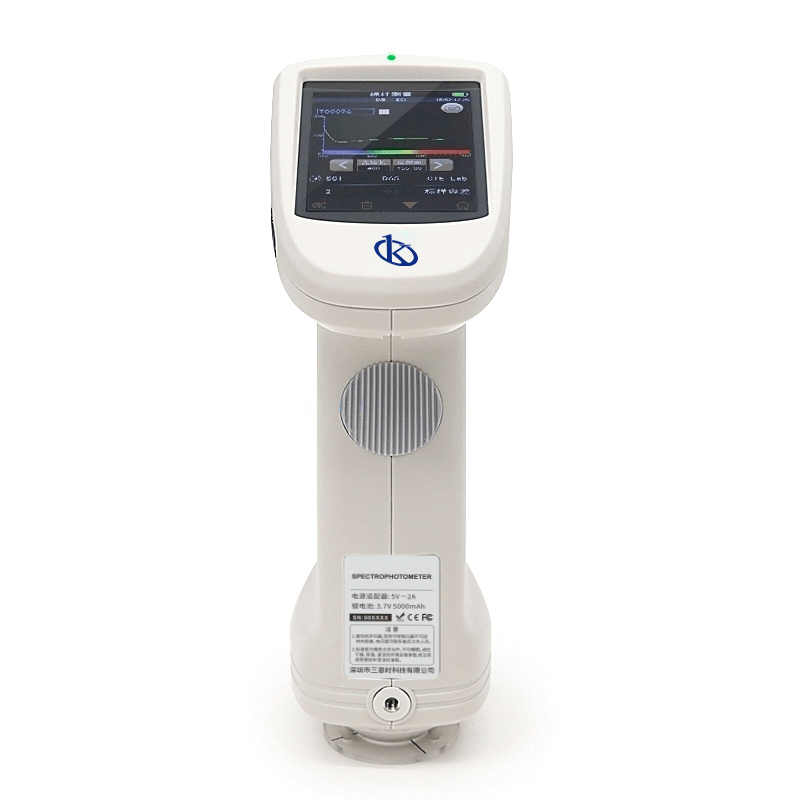
Handheld Spectrophotometers: Practical Applications and Techniques 2026
Handheld spectrophotometers are essential tools in modern laboratories, enabling precise color measurements and quality control across various industries. This article explores the practical applications of handheld spectrophotometers in clinical and hospital laboratories in 2026, providing insights into how to utilize these devices effectively.
What is it used for in 2026
In 2026, handheld spectrophotometers are primarily used for color measurement, quality control, and analysis of various materials including plastics, paints, textiles, and food products. These devices facilitate color matching, ensure compliance with industry standards, and enhance product quality through detailed analysis. Their portability makes them ideal for both laboratory settings and fieldwork, allowing professionals to conduct tests on-site with accuracy.
History and evolution of the technology
The evolution of spectrophotometry dates back to the early 19th century, with advancements in technology leading to the development of more sophisticated instruments. Handheld spectrophotometers have evolved significantly, particularly in the late 20th and early 21st centuries. Innovations in optics, digital sensors, and software have transformed these devices into user-friendly tools capable of producing accurate and reliable measurements quickly. Today, they are equipped with advanced features such as UV light sources, integrated software for data analysis, and connectivity options for enhanced usability.
How to use it step by step
Using a handheld spectrophotometer involves several steps to ensure accurate measurements:
- Preparation: Ensure the device is fully charged and calibrated. Select the appropriate measurement mode based on the sample type.
- Sample Placement: Position the sample in the measurement aperture, ensuring it is clean and free from any obstructions.
- Measurement: Activate the device and follow on-screen instructions to initiate measurement. Record the results displayed on the screen.
- Data Analysis: Use the integrated software or connect to a PC for further data analysis and reporting.
- Documentation: Document the results and any observations for future reference.
Best techniques and protocols
To achieve optimal results with handheld spectrophotometers, follow these best practices:
- Regularly calibrate the device to maintain accuracy.
- Use clean and standardized samples for consistent results.
- Ensure proper lighting conditions to minimize interference.
- Utilize the appropriate measurement mode based on the material being tested.
- Document all measurements and conditions for traceability.
Practical applications by laboratory type
Handheld spectrophotometers find applications across various laboratory types:
- Clinical Laboratories: Used for colorimetric analysis in blood and urine tests.
- Food Industry: Helps in quality control of color in food products.
- Textile Industry: Allows for precise color matching during the dyeing process.
- Material Testing: Essential for measuring color properties of paints and plastics.
Regulations, standards and certifications
Compliance with industry regulations is crucial. Handheld spectrophotometers must meet standards such as CIE No.15, GB/T 3978, and ISO guidelines to ensure quality and consistency in measurements. Regular audits and certifications from recognized bodies help maintain device integrity and reliability.
Comparison with alternative technologies
While handheld spectrophotometers are versatile, other technologies such as benchtop spectrophotometers, colorimeters, and imaging systems also exist. Handheld devices offer portability and ease of use, whereas benchtop models provide higher precision for laboratory environments. Colorimeters may be sufficient for simpler tasks, but spectrophotometers are preferred for comprehensive color analysis.
Comparison of available models
| Model | Best for | Key specs | Recommended use case |
|---|---|---|---|
| YR05493 | Precise color measurement | USD 4254.00, D/8 geometry | Quality control in plastics and textiles |
| YR05494 | Versatile color analysis | USD 3180.00, dual apertures | Textile and paint industries |
| YR05495 | Customizable measurements | USD 2250.00, single aperture | Quality control in various industries |
| YR05496 | Color matching | USD 1670.00, 45/0 geometry | Food and cosmetics industries |
| YR05499 | Advanced color management | USD 1670.00, multiple color spaces | Laboratory research and development |
| YR05498 | General color analysis | USD 1670.00, 45/0 geometry | Quality assurance processes |
Common mistakes and how to avoid them
To ensure accurate results, avoid these common mistakes:
- Neglecting calibration; always calibrate before use.
- Inconsistent sample preparation; standardize your samples.
- Improper lighting; ensure optimal conditions for measurements.
- Ignoring software updates; keep the device software current for best performance.
Maintenance, calibration and good practices 2026
Regular maintenance and calibration are key to reliable performance:
- Calibrate the device regularly according to the manufacturer's guidelines.
- Clean the optical components to prevent interference.
- Store the device in a protective case when not in use.
- Conduct periodic checks for software updates and ensure all features are functioning properly.
Cost-benefit analysis 2026
Investing in a handheld spectrophotometer is financially prudent for laboratories focusing on quality control and compliance. The cost of these devices is offset by their ability to enhance product quality, reduce waste, and improve efficiency. In 2026, the affordable pricing of models such as YR05496 and YR05499 makes them accessible for various laboratory settings.
Frequently asked questions
What type of samples can be measured with handheld spectrophotometers?
Handheld spectrophotometers can measure a wide range of samples, including liquids, solids, and powders, as long as they are prepared correctly for the measurement process.
How often should I calibrate my device?
Calibration frequency depends on usage, but it is recommended to calibrate your device before each use or daily in high-volume settings to ensure accuracy.
Can handheld spectrophotometers be used in field settings?
Yes, one of the key advantages of handheld spectrophotometers is their portability, making them ideal for on-site measurements in various environments.
What are the main differences between handheld and benchtop spectrophotometers?
Handheld spectrophotometers are portable and user-friendly, while benchtop models typically offer higher precision and more advanced features suitable for laboratory environments.
Is there a specific training required to operate these devices?
Basic training on the device's operation and calibration procedures is recommended to ensure accurate measurements and efficient usage.
How do I choose the right model for my laboratory?
Consider factors such as the types of samples you will measure, required measurement accuracy, and budget when selecting a model. Review specifications and features that align with your needs.
Where can I request a quote for a handheld spectrophotometer?
You can request a quote through our sales channels, where our team can assist you in finding the best model for your laboratory.
If you are looking for a fusion of innovation and quality, you have come to the right place. At Kalstein, we offer you the luxury of exploring our exclusive catalog of laboratory equipment. We manufacture every device to the highest standards of excellence. Our intuitive and seamless online purchasing channels are designed for your convenience, securing the most competitive prices. Hesitate no longer — we bring science to life, it is time to become part of our community.