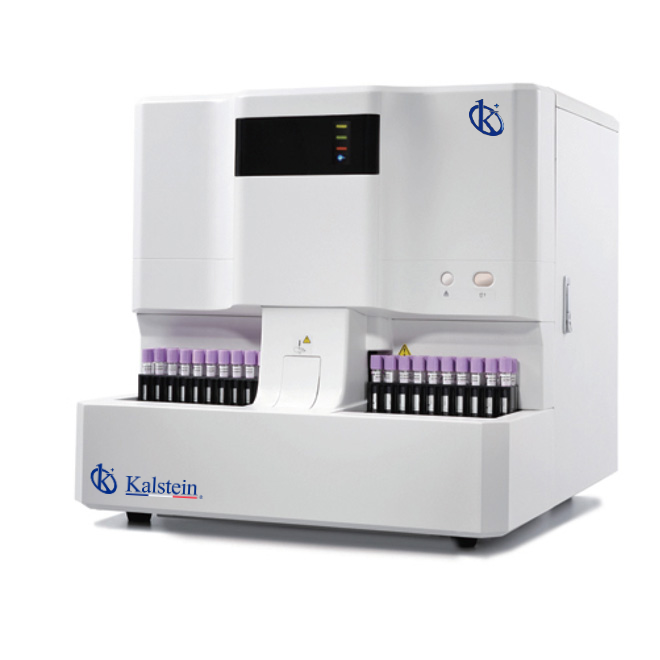
Hematology Analyzers: Best Techniques and Protocols 2026
Hematology analyzers are indispensable tools in clinical laboratories, enabling precise and efficient analysis of blood samples. This article examines their applications, historical development, and best practices for laboratory professionals in 2026.
What is it used for in 2026
In 2026, hematology analyzers are primarily used for diagnosing blood disorders, monitoring disease progression, and conducting routine blood tests. These analyzers provide critical data on various parameters such as red blood cell (RBC) count, white blood cell (WBC) count, hemoglobin levels, and platelet counts. They are employed in hospitals, clinics, and research laboratories, facilitating the quick and reliable assessment of patients' hematological health.
History and evolution of the technology
The evolution of hematology analyzers dates back to the early 20th century when manual techniques were the norm. The introduction of automated analyzers in the 1970s marked a significant advancement, allowing laboratories to process samples more quickly and with greater accuracy. Over the decades, technologies such as laser-based detection and flow cytometry have been integrated into hematology analyzers, enhancing their capabilities to analyze more parameters simultaneously and providing advanced data visualization.
How to use it step by step
- Preparation: Ensure that the analyzer is calibrated and ready for use, following the manufacturer's guidelines for setup.
- Sample Collection: Collect blood samples using appropriate anticoagulants, ensuring that they are mixed well.
- Loading Samples: Load the samples into the analyzer's automated sample loader, verifying that the barcode labels are scanned correctly.
- Running the Analysis: Select the desired testing mode on the device, then initiate the analysis process.
- Review Results: After the analysis is complete, review the results on the analyzer's screen or through connected laboratory information systems (LIS).
- Documentation: Document the findings and ensure that results are communicated to healthcare providers for further action.
Best techniques and protocols
To achieve reliable results, laboratory professionals should adhere to the following best techniques and protocols:
- Regular calibration and maintenance of the analyzers to ensure accuracy.
- Use of quality control samples to validate the performance of the instruments.
- Standardized procedures for sample handling and processing to minimize variability.
- Training staff on the operation of analyzers and troubleshooting common issues.
Practical applications by laboratory type
Different types of laboratories utilize hematology analyzers for various purposes:
- Clinical Laboratories: Routine blood tests for diagnosing diseases and monitoring health.
- Research Laboratories: Advanced research on hematological disorders, drug effects on blood parameters.
- Blood Banks: Testing blood donor samples for compatibility and safety.
Regulations, standards and certifications
In 2026, hematology analyzers must comply with regulations set forth by organizations such as the FDA and ISO standards. Laboratories should ensure that their devices are certified and meet quality assurance requirements to guarantee safety and efficacy in testing.
Comparison with alternative technologies
While hematology analyzers are essential, alternative technologies such as manual counting methods and point-of-care devices are also available. Manual methods can be time-consuming and prone to human error, whereas point-of-care devices offer rapid results but may lack the comprehensive data provided by full-size analyzers. It is crucial to evaluate the specific needs of the laboratory to choose the appropriate technology.
Comparison of available models
| Model | Best for | Key specs | Recommended use case |
|---|---|---|---|
| YR06080 | High-volume laboratories requiring detailed analysis | 60 samples/hour, 28 parameters | Ideal for busy clinical settings with high demand |
| YR05123 | Routine blood analysis with 3D mapping | 60 samples/hour, advanced WBC analysis | Suitable for hospitals with standard testing needs |
| YR05122-1 | Detailed blood profiling and storage | 60 samples/hour, supports 100k results | Best for research applications needing extensive data |
| YR05122 | Basic blood testing and fast results | 35 samples/hour, 23 parameters | Good for clinics with moderate testing volume |
| YR05121 | Automated testing for efficiency | 35 samples/hour, user-friendly interface | Recommended for labs needing streamlined processes |
| YR05120 | Compact solution for small labs | 35 samples/hour, basic parameters | Ideal for smaller facilities with limited space |
Common mistakes and how to avoid them
Laboratory personnel should be aware of common mistakes when using hematology analyzers:
- Failing to calibrate instruments regularly can lead to inaccurate results.
- Not following sample handling procedures can compromise data integrity.
- Inadequate training on equipment usage may result in operational errors.
Maintenance, calibration and good practices 2026
Maintaining hematology analyzers involves:
- Regularly scheduled cleaning and maintenance as per the manufacturer's guidelines.
- Calibrating instruments before significant testing days.
- Using control samples to validate each run of tests.
Cost-benefit analysis 2026
In 2026, the cost-benefit analysis of hematology analyzers should consider:
- Initial investment versus long-term savings from efficiency gains.
- Cost of maintenance and training versus improved accuracy and turnaround time.
- Potential for increased patient throughput and satisfaction rates.
Frequently asked questions
What are the key factors to consider when choosing a hematology analyzer?
When selecting a hematology analyzer, consider factors such as throughput capacity, number of parameters analyzed, ease of use, support services, and compliance with regulations.
How often should I calibrate my hematology analyzer?
Calibration frequency depends on usage but should generally be performed daily or before high-volume testing days to ensure accuracy.
What are the common blood parameters analyzed by hematology analyzers?
Common parameters include RBC count, WBC count, hemoglobin concentration, hematocrit, and platelet count, among others.
Can hematology analyzers provide results for both pediatric and adult samples?
Yes, most modern hematology analyzers can be configured to accommodate both pediatric and adult blood samples, adjusting the reference ranges accordingly.
What type of maintenance is required to keep my analyzer in good working condition?
Regular maintenance includes cleaning, calibration, and software updates. Following the manufacturer's recommendations for maintenance schedules is essential.
How can I ensure the accuracy of my test results?
Accuracy can be ensured by adhering to standard operating procedures, performing regular calibrations, and using quality control samples to validate results.
If you are looking for a fusion of innovation and quality, you have come to the right place. At Kalstein, we offer you the luxury of exploring our exclusive catalog of laboratory equipment. We manufacture every device to the highest standards of excellence. Our intuitive and seamless online purchasing channels are designed for your convenience, securing the most competitive prices. Hesitate no longer — we bring science to life, it is time to become part of our community.