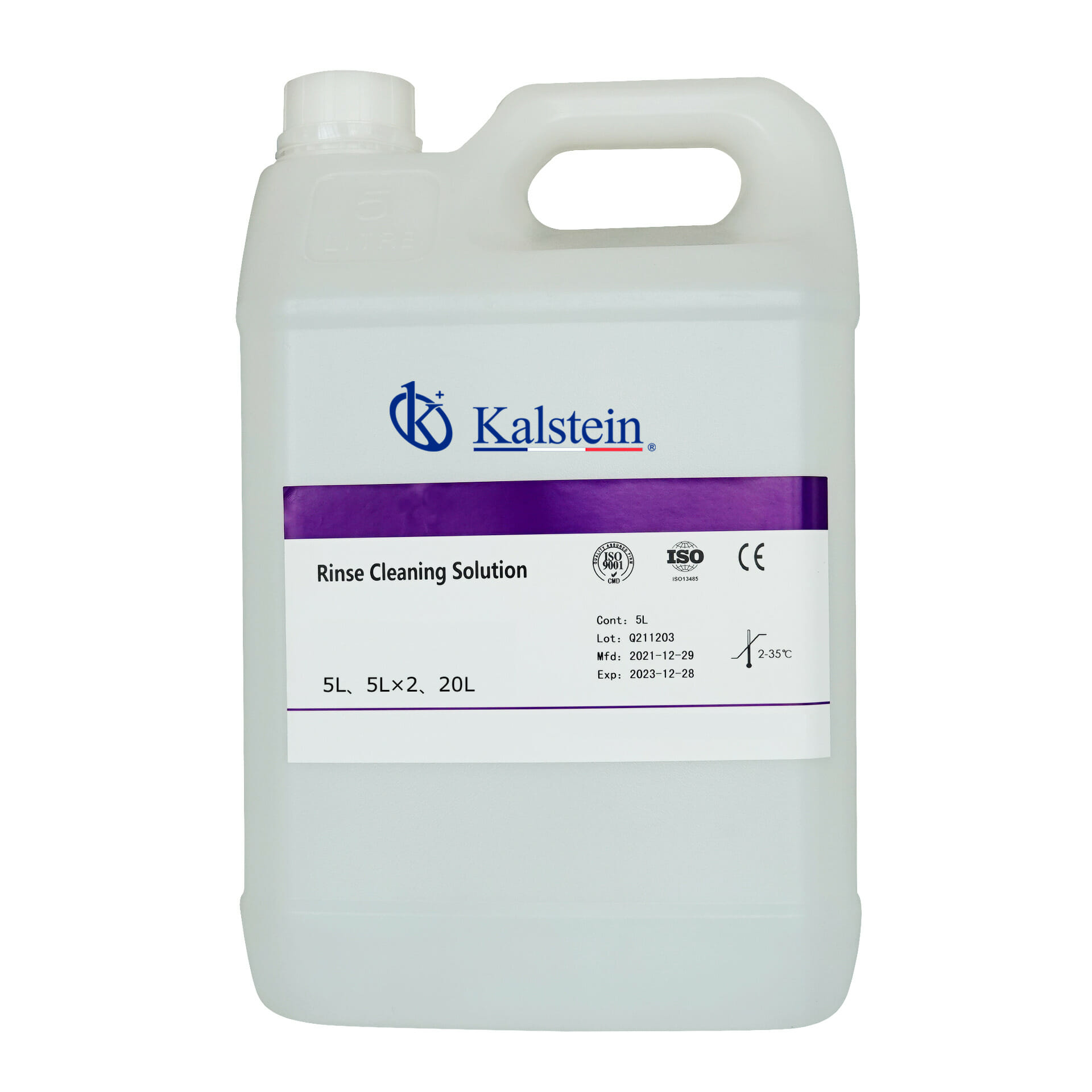
Hematology Reagents: LIMS Integration and Data Flow Digitalization 2026
In the rapidly evolving field of laboratory diagnostics, hematology reagents are integral to the effective analysis of blood components. With the need for increased efficiency and accuracy, the integration of Laboratory Information Management Systems (LIMS) and digitalization of data flow is paramount. This article explores how various models of hematology reagents contribute to these advancements, emphasizing their role in enhancing laboratory operations in 2026.
Understanding Hematology Reagents and Their Role
Hematology reagents are chemical substances utilized in laboratories to analyze blood samples, determining their cellular composition and other relevant metrics. These reagents include lysing agents, diluents, and cleaning solutions, which facilitate the detection of blood cells and hemoglobin. As laboratories face increasing demands for data accuracy and operational efficiency, integrating these reagents with LIMS becomes essential for ensuring seamless data management.
Importance of LIMS Integration in Hematology
Laboratories are increasingly adopting LIMS to manage samples, track results, and increase overall efficiency. By incorporating hematology reagents into a LIMS framework, laboratories can enhance their workflow through automated data collection, real-time reporting, and improved regulatory compliance. This integration facilitates accurate tracking of sample history, test results, and reagent usage, ultimately leading to more reliable diagnostics.
Digitalization of Data Flow: Benefits and Challenges
Digitalizing data flow through LIMS integration streamlines laboratory operations, minimizing manual errors and enhancing data accessibility. However, this transition presents challenges, including ensuring data compatibility, addressing cybersecurity concerns, and training staff in new technologies. Overcoming these hurdles is crucial for maximizing the potential of hematology reagents in a digital lab environment.
Key Features to Look for in Hematology Reagents
When considering hematology reagents for LIMS integration, laboratories should prioritize features such as:
- Compatibility with existing LIMS platforms
- Automated data reporting capabilities
- Compliance with regulatory standards
- Ease of use and training requirements
- Robust technical support and documentation
Comparison of Available Models
| Model | Type | Volume | Best For | LIMS Compatibility |
|---|---|---|---|---|
| YRA45 | Diluent | 20L | Sample Preparation | High |
| YRA46 | Lyse | 500 ml | Cell Disruption | Medium |
| YRA47 | Clarifier | 5L, 20L | Sample Clarity | Medium |
| YRA48 | EZ Cleaner | 100 ml | Equipment Maintenance | High |
| YRA49 | Probe Cleaner | 50 ml | Probe Maintenance | Medium |
| YRA50 | Diluent | 20L | Sample Preparation | High |
Common Mistakes and How to Avoid Them
When implementing hematology reagents within a LIMS-integrated environment, laboratories often encounter pitfalls such as inadequate training, neglecting maintenance schedules, and failing to ensure compatibility between reagents and the LIMS software. To avoid these mistakes:
- Provide comprehensive training for all staff members on LIMS functionalities.
- Establish a routine for maintaining and calibrating equipment.
- Conduct thorough assessments of reagent-LIMS compatibility before procurement.
Frequently Asked Questions
What are the key benefits of integrating hematology reagents with LIMS in 2026?
The integration of hematology reagents like YRA45 and YRA46 with LIMS enhances workflow efficiency, reduces manual errors, and improves accuracy in data reporting, which is crucial for achieving reliable diagnostics in 2026.
How can LIMS integration improve the efficiency of hematology laboratories?
Integrating LIMS with hematology reagents such as YRA47 allows for automated data entry and tracking, reducing time spent on manual processes and enabling faster turnaround times for test results, ultimately enhancing laboratory productivity.
Which hematology reagent model is best suited for sample preparation in LIMS environments?
The YRA50 model, a diluent with a 20L volume, is highly effective for sample preparation in LIMS environments due to its compatibility and ease of integration, making it ideal for laboratories aiming for optimized workflows.
What challenges do laboratories face when digitalizing data flow with hematology reagents?
Challenges such as data compatibility, cybersecurity threats, and the need for staff training can hinder the effective digitalization of data flow with hematology reagents like YRA48, necessitating careful planning and resource allocation.
How does the YRA49 model compare with other cleaning solutions in terms of LIMS integration?
The YRA49 model, as a probe cleaner, provides essential maintenance support within LIMS frameworks, ensuring accurate readings and extended equipment lifespan, making it a vital choice for laboratories focused on data integrity.
What are the costs associated with implementing LIMS-compatible hematology reagents?
When considering hematology reagents like YRA46, costs can include reagent procurement, software integration fees, and staff training expenses. An accurate budget assessment is crucial for effective implementation.
How do I ensure regulatory compliance when using hematology reagents?
To ensure compliance, laboratories should utilize hematology reagents that meet required standards and protocols, such as those offered by YRA50, while integrating them within a compliant LIMS framework for tracking and reporting.
What role do hematology reagents play in enhancing laboratory data management in 2026?
Hematology reagents like YRA45 serve as essential components in laboratory data management, enabling efficient sample analysis and accurate reporting when integrated with LIMS, enhancing overall laboratory performance in 2026.
For a streamlined procurement process, consider reaching out for a quote tailored to your needs. Our catalog of laboratory equipment is designed to provide the best solutions for your laboratory's requirements.
If you are looking for a fusion of innovation and quality, you have come to the right place. At Kalstein, we offer you the luxury of exploring our exclusive catalog of laboratory equipment. We manufacture every device to the highest standards of excellence. Our intuitive and seamless online purchasing channels are designed for your convenience, securing the most competitive prices. Hesitate no longer — we bring science to life, it is time to become part of our community.