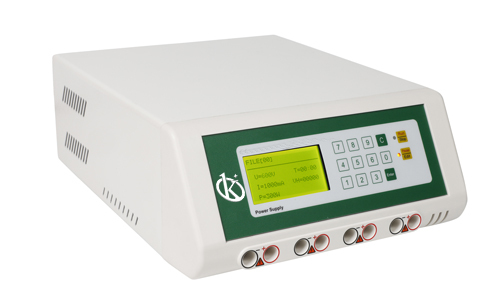
How High-Voltage Power Supplies Enhance Energy Sustainability in Laboratories
Energy sustainability is a critical issue in laboratory settings, where equipment consumes substantial electrical power. High-voltage power supplies (HVPS) play a pivotal role in optimizing energy use and reducing the environmental footprint of laboratory operations. This article delves into how various HVPS models can be leveraged to achieve energy efficiency and sustainability, addressing key features like power consumption, operational flexibility, and environmental impacts.
Understanding Energy Sustainability in Laboratory Settings
In recent years, laboratories have faced mounting pressure to adopt sustainable practices, aiming to reduce their energy consumption and carbon emissions. Energy sustainability involves utilizing energy resources efficiently, minimizing waste, and adopting renewable energy sources wherever possible. High-voltage power supplies are integral to this transformation, particularly in applications such as electrophoresis, where energy demands can be high.
Key Features of High-Voltage Power Supplies for Energy Efficiency
Modern high-voltage power supplies, such as those detailed in this article, come equipped with features that significantly enhance energy efficiency:
- Smart Temperature Control: Many models include temperature control functions that optimize performance based on operational conditions, preventing energy wastage.
- Energy Consumption Monitoring: Real-time monitoring of energy consumption helps labs assess their usage patterns and identify potential savings.
- Output Efficiency: High-quality power supplies maintain consistent output efficiency, ensuring that the energy used translates directly into productive work without excess loss.
Model Comparison: Evaluating Energy Efficiency
The following table compares various high-voltage power supply models in terms of energy efficiency and operational features pertinent to sustainability.
| Model Code | Output Range | Memory Functions | Key Features | Price (USD) |
|---|---|---|---|---|
| YR03409 | 20–3000 V, 1–200 mA | 10 methods | Smart temperature control, auto-detection features | 1105.80 |
| YR03408 | 20–5000 V, 1–200 mA | 100 methods | Real-time tuning, auto-memory | 1475.00 |
| YR03405 | 10–600 V, 1–500 mA | 100 methods | Smart design, energy consumption monitoring | 967.20 |
| YR03406 | 20–1600 V, 1–100 mA | 100 methods | Real-time tuning, energy efficiency features | 552.00 |
| YR03407 | 20–3000 V, 1–400 mA | 100 methods | Auto-detection, enhanced safety features | 1383.00 |
Common Mistakes and How to Avoid Them
Laboratories often make common mistakes when selecting high-voltage power supplies that can hinder energy sustainability:
- Ignoring Energy Consumption Specs: Always assess the energy consumption specifications of each model. For instance, the YR03406 provides significant energy-saving features that should not be overlooked.
- Overlooking Maintenance Needs: Regular maintenance is essential to ensure efficient operation. Models like the YR03409 include auto-detection features that help in timely maintenance.
- Neglecting Compatibility with Existing Systems: Ensure compatibility with existing lab setups for seamless integration; this prevents operational delays and inefficiencies.
Addressing Environmental Impact with High-Voltage Power Supplies
High-voltage power supplies contribute to reducing the environmental impact of laboratory operations in several ways:
- Lower Energy Footprint: Models that utilize energy-efficient technologies can significantly lower overall energy consumption, as seen with the YR03405.
- Reduced Waste: Efficient energy use translates to less waste generation, aligning with sustainability goals.
- Lifecycle Assessments: Conducting lifecycle assessments on equipment can identify areas for improvement, ensuring that chosen models support long-term sustainability.
Trends in Energy Sustainability for Laboratory Equipment
As energy sustainability continues to gain traction, several trends are emerging in laboratory equipment:
- Smart Technologies: Integration of smart technologies in devices, like those in the YR03408, for real-time monitoring and optimization of energy use.
- Renewable Energy Adaptation: Laboratories are increasingly looking towards renewable energy sources to power their equipment, enhancing overall sustainability.
- Collaborative Initiatives: Many labs are participating in collaborative efforts aimed at sharing energy-saving practices and technologies.
Frequently Asked Questions
How does the YR03409 high-voltage power supply contribute to environmental sustainability?
The YR03409 model offers smart temperature control and auto-detection features that optimize energy consumption, aligning with environmental sustainability goals by minimizing unnecessary energy use.
What are the energy consumption specifications for the YR03408 high-voltage power supply?
The YR03408 provides an output range of 20–5000 V and incorporates energy-efficient technologies, making it suitable for laboratories aiming for lower energy consumption while maintaining high performance.
How can I integrate the YR03405 power supply into an existing laboratory setup?
Integrating the YR03405 into your lab setup is seamless due to its advanced operational features, ensuring compatibility with most laboratory systems to optimize energy savings.
What are the key features of the YR03406 that enhance energy efficiency?
The YR03406 model includes a real-time tuning feature and energy consumption monitoring, making it a strong candidate for laboratories focused on maximizing energy efficiency.
How does the YR03407 model support sustainable laboratory practices?
The YR03407 model is designed with auto-detection and enhanced safety features that help reduce energy waste, supporting overall sustainable practices in laboratory environments.
What should I consider when selecting a high-voltage power supply for energy sustainability?
When selecting a high-voltage power supply, consider the energy consumption specifications, smart technologies, and compatibility with existing systems, all of which are priorities for sustainability.
Which high-voltage power supply is best for energy monitoring?
The YR03405 is highly regarded for its energy monitoring capabilities, making it an excellent choice for laboratories focused on tracking and reducing energy consumption.
How can high-voltage power supplies reduce the carbon footprint of my laboratory?
High-voltage power supplies, like the YR03408, can reduce a laboratory's carbon footprint by optimizing energy usage, ensuring that power consumption aligns with sustainability initiatives.
For laboratories looking to enhance their energy sustainability, investing in efficient high-voltage power supplies is crucial. If you are looking for a fusion of innovation and quality, you have come to the right place. At Kalstein, we offer you the luxury of exploring our exclusive catalog of laboratory equipment. We manufacture every device to the highest standards of excellence. Our intuitive and seamless online purchasing channels are designed for your convenience, securing the most competitive prices. Hesitate no longer — we bring science to life, it is time to become part of our community.