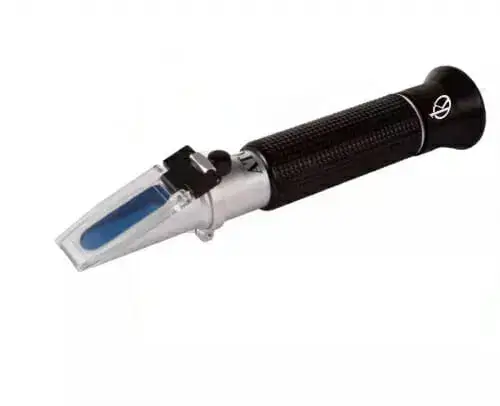
Honey Refractometers: Practical Applications and Techniques 2026
In the field of laboratory analysis, honey refractometers play a critical role in determining the sugar concentration in various liquid products. These instruments are particularly important in ensuring the quality and consistency of honey and other sugar-related substances, such as jams and syrups. This article will explore the applications, history, usage, techniques, and best practices associated with honey refractometers in 2026.
What is it used for in 2026
Honey refractometers are primarily used for measuring the sugar content of honey and other similar fluids. They help in determining the quality of honey, ensuring it meets industry standards for moisture content, which is crucial for storage and marketability. In addition to honey testing, these devices can also be used in various applications within food and beverage industries, and agriculture, specifically in assessing the maturity of fruits.
History and evolution of the technology
The refractometer has its roots dating back to the early 19th century. Initially developed for laboratory use, this optical instrument has evolved significantly over the years. The introduction of digital refractometers has improved accuracy and ease of use, leading to widespread adoption in laboratories, especially in food and beverage quality control. The emergence of honey refractometers tailored specifically for honey testing has further advanced this field, making it easier for producers and researchers to monitor sugar concentrations and maintain product integrity.
How to use it step by step
Using a honey refractometer is a straightforward process. Follow these steps for effective operation:
- Calibration: Before use, ensure the refractometer is calibrated properly. Use distilled water for calibration, which typically should read 0% Brix.
- Sample Preparation: Obtain a sample of honey or sugar solution. Ensure it is homogeneous by mixing thoroughly if necessary.
- Applying the Sample: Place a few drops of the sample on the prism of the refractometer.
- Close the Cover: Gently close the cover to eliminate air bubbles that could affect the reading.
- Take the Reading: Look through the eyepiece to observe the Brix value at the boundary between the light and dark fields.
- Record Results: Document the Brix reading for further analysis and comparison.
Best techniques and protocols
Adhering to best practices when using honey refractometers enhances accuracy and reliability. Here are some key protocols:
- Always clean the prism and cover after each use to prevent contamination.
- Conduct multiple readings of the same sample to ensure consistency and reliability.
- Allow samples to adjust to room temperature before measuring, as temperature fluctuations can affect readings.
- Regularly check calibration using a reference solution.
Practical applications by laboratory type
Honey refractometers find applications in various laboratory settings:
- Food and Beverage Labs: Used for quality control to ensure products meet specific Brix and moisture content standards.
- Agricultural Research: Employed in field studies to assess fruit maturity and sugar concentrations for crop management.
- Biotechnology Labs: Important for experiments involving fermentation processes where sugar measurement is critical.
- Quality Assurance Departments: Integral in testing the final product before packaging and distribution.
Regulations, standards and certifications
In 2026, honey refractometers must meet certain industry standards to ensure product reliability. The following regulations are essential:
- ISO standards for food safety and quality.
- Local food safety regulations that govern honey and syrup production.
- Compliance with agricultural guidelines related to fruit testing.
Comparison with alternative technologies
While honey refractometers are highly effective, there are alternative technologies. Here’s how they stack up:
- Hydrometers: Useful in measuring specific gravity but less precise than refractometers for sugar content.
- Density Meters: More complex and expensive but can provide comprehensive analysis of liquid composition.
- Digital Refractometers: Offer higher precision and data logging capabilities but may come at a higher cost.
Comparison of available models
| Model | Best for | Key specs | Recommended use case |
|---|---|---|---|
| YR05885 | High sugar content liquids | 58-92% Brix, 38-43 Be’, 12-27% water | Measuring honey and syrup concentrations |
| YR05885-1 | Honey quality testing | 58-92% Brix, 38-43 Be’, 12-27% water | Field testing for fruit maturity |
| YR05885-2 | Honey and syrup validation | 58-92% Brix, 38-43 Be’, 12-27% water | Quality control in production |
| YR05886 | Low moisture content liquids | 10-30% water | Testing for concentrated syrups |
Common mistakes and how to avoid them
Avoid these common pitfalls when using honey refractometers:
- Failing to calibrate before use; always check accuracy with a reference solution.
- Neglecting to clean the prism, which can lead to erroneous readings.
- Not allowing the sample to reach room temperature, causing potential misreadings.
- Using insufficient sample size, which can fail to cover the prism adequately.
Maintenance, calibration and good practices 2026
Maintaining your honey refractometer is vital for long-term reliability. Here are some maintenance tips:
- Clean the prism after each use with a soft cloth or lens paper.
- Store in a protective case to avoid scratches and damage.
- Perform calibration checks regularly, especially before critical measurements.
- Document all calibration results for future reference.
Cost-benefit analysis 2026
Investing in a honey refractometer provides several benefits:
- Cost-effective in ensuring product quality, reducing waste, and improving marketability.
- Time-saving for laboratory processes compared to traditional methods.
- Enhances accuracy in sugar content measurements, leading to better decision-making in production.
Frequently asked questions
How do I choose the right honey refractometer for my needs?
Choosing the right honey refractometer depends on your specific requirements, such as the range of sugar concentration you need to measure and whether you require digital features for data logging. Consider what you will be testing most frequently and select a model that best suits that purpose.
What factors can affect the accuracy of my readings?
Factors such as temperature, sample preparation, and the cleanliness of the prism can significantly affect the accuracy of your readings. Ensure samples are at room temperature and the refractometer is properly calibrated before each use.
Can I use a honey refractometer for other liquids?
Yes, honey refractometers can also be used for other sugar-based liquids such as syrups and jellies. However, ensure the refractometer is suitable for the specific sugar concentrations of those liquids.
How often should I calibrate my refractometer?
You should calibrate your refractometer regularly, ideally before each measurement session or whenever you notice discrepancies in your readings. Regular calibration ensures ongoing accuracy.
What is the best way to clean my honey refractometer?
Use a soft, lint-free cloth or lens paper to gently clean the prism. Avoid using harsh chemicals that may damage the surface, and always ensure the prism is free of any sample residue before storage.
Are digital refractometers better than optical refractometers?
Digital refractometers often provide more precise readings and features such as data logging, but they can be more expensive. The choice depends on your needs; optical refractometers are sufficient for many applications.
Where can I request a quote for a honey refractometer?
You can request a quote for a honey refractometer through Kalstein Plus, where you will find a variety of models to meet your laboratory needs.
If you are looking for a fusion of innovation and quality, you have come to the right place. At Kalstein, we offer you the luxury of exploring our exclusive catalog of laboratory equipment. We manufacture every device to the highest standards of excellence. Our intuitive and seamless online purchasing channels are designed for your convenience, securing the most competitive prices. Hesitate no longer — we bring science to life, it is time to become part of our community.