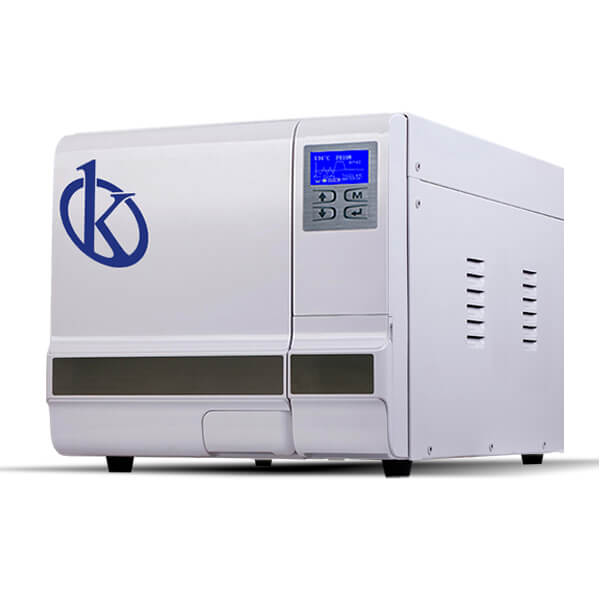
Horizontal Autoclaves: Energy Sustainability and Environmental Footprint Reduction 2026
In the modern laboratory environment, the importance of energy sustainability and reducing environmental footprint cannot be overstated. Horizontal autoclaves, widely used for sterilization purposes, play a crucial role in achieving these goals. This article aims to explore the various models of horizontal autoclaves available in 2026, analyzing their energy efficiency and overall impact on the environment. We will also provide actionable insights for laboratory professionals looking to optimize their sterilization processes while minimizing ecological damage.
Understanding the Role of Horizontal Autoclaves in Energy Sustainability
Horizontal autoclaves have been integral to laboratory operations, particularly in medical and veterinary fields where sterilization is critical. These devices often operate on steam under pressure, a process that can be optimized for energy consumption. By focusing on energy sustainability, laboratories can not only reduce costs but also minimize their carbon footprint.
Comparison of Available Models
| Model | Chamber Volume | Power Consumption (W) | Price (USD) | Best For |
|---|---|---|---|---|
| YR03387 | 8 L | 1750 | 750.00 | Small businesses |
| YR03388 | 12 L | 1750 | 835.00 | Small clinics |
| YR03389 | 18 L | 1750 | 900.00 | Medium labs |
| YR03390 | 23 L | 1750 | 1000.00 | General labs |
| YR03385C | 29 L | 2300 | 2350.00 | Veterinary clinics |
| YR03385B | 45 L | 3800 | 2800.00 | Large facilities |
Energy Efficiency Metrics for Horizontal Autoclaves
Energy efficiency in autoclaves is pivotal for laboratories aiming to lower operational costs and environmental impact. One effective metric is the energy consumption per sterilization cycle. By analyzing the models available, we can determine which units offer the best performance ratios.
Energy Consumption Table
| Model | Energy per Cycle (kWh) | Estimated Cost per Cycle (USD) |
|---|---|---|
| YR03387 | 0.15 | 0.02 |
| YR03388 | 0.18 | 0.023 |
| YR03389 | 0.20 | 0.025 |
| YR03390 | 0.22 | 0.027 |
| YR03385C | 0.25 | 0.031 |
| YR03385B | 0.30 | 0.038 |
Evaluating the Environmental Impact of Autoclaves
Reducing the environmental impact of autoclaves involves not just energy consumption but also water usage and emissions. Each model's design can significantly influence its ecological footprint, making it essential to assess these factors during procurement.
Common Mistakes and How to Avoid Them
Laboratory professionals often overlook the importance of energy efficiency when selecting an autoclave. Common mistakes include not accounting for the total cost of ownership and underestimating the importance of compliance with environmental standards. Choosing models like the YR03385C, known for its high precision and lower energy usage, can help mitigate these issues.
Frequently Asked Questions
How much energy does the YR03387 autoclave consume per cycle for sustainability?
The YR03387 autoclave consumes approximately 0.15 kWh per sterilization cycle, which translates to an estimated cost of $0.02 per cycle. This efficiency makes it a suitable choice for laboratories aiming to enhance their sustainability efforts.
Which horizontal autoclave model is best for reducing environmental impact?
The YR03385C model is among the best for reducing environmental impact due to its larger chamber volume of 29 liters and optimized energy consumption of 0.25 kWh per cycle, ensuring efficient operation in veterinary clinics and similar facilities.
What is the estimated cost savings with the YR03390 model in energy consumption?
With the YR03390 model consuming about 0.22 kWh per cycle, the estimated cost per cycle is $0.027. Over time, this can lead to substantial savings in energy bills, particularly for labs with high sterilization needs.
How do the energy consumption levels of YR03389 and YR03388 compare?
The YR03389 model consumes 0.20 kWh per cycle, while the YR03388 model consumes 0.18 kWh per cycle. This slight difference can add up significantly in larger operations, making YR03388 a more energy-efficient choice.
What are the benefits of using a fully automatic autoclave like YR03385C?
The YR03385C model features fully automatic operations with pre-programmed sterilization cycles, ensuring high productivity and energy efficiency. This characteristic reduces the need for constant monitoring, saving time and resources in busy laboratories.
How can I assess the ROI of a horizontal autoclave in 2026?
Evaluating the ROI of a horizontal autoclave involves calculating the total operational costs against the savings from reduced energy consumption and increased productivity. Models like YR03390 can provide a compelling cost-benefit analysis due to their efficient operation.
What regulations should laboratories consider for energy-efficient autoclaves?
Laboratories should consider compliance with EN13060 standards when selecting energy-efficient autoclaves. This ensures that the equipment meets European safety regulations while promoting sustainability practices in laboratory settings.
Which horizontal autoclave is best for small veterinary practices aiming for sustainability?
The YR03387 model is particularly suitable for small veterinary practices, providing 8 liters of chamber volume while maintaining a low energy footprint, thus contributing to improved sustainability efforts in these environments.
If you are looking for a fusion of innovation and quality, you have come to the right place. At Kalstein, we offer you the luxury of exploring our exclusive catalog of laboratory equipment. We manufacture every device to the highest standards of excellence. Our intuitive and seamless online purchasing channels are designed for your convenience, securing the most competitive prices. Hesitate no longer — we bring science to life, it is time to become part of our community.