Horizontal Electrophoresis: Common Errors and How to Avoid Them in Daily Operation 2026
What is it used for in 2026
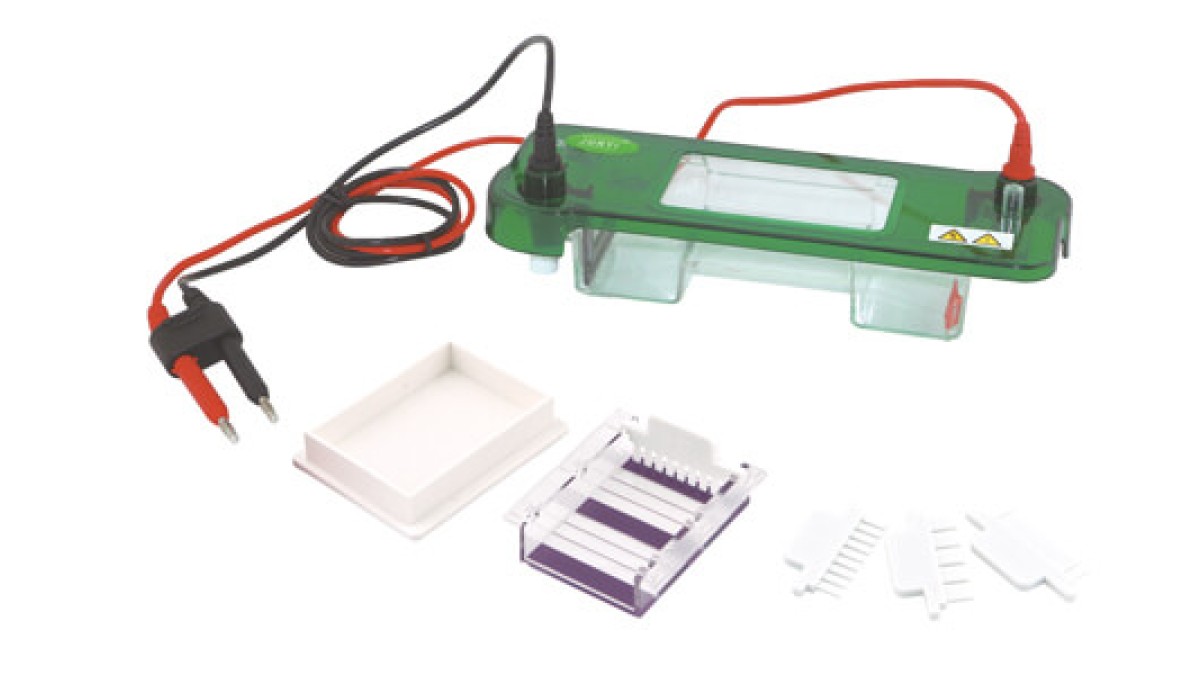
Horizontal electrophoresis is a fundamental technique used in molecular biology for the separation of nucleic acids and proteins. In 2026, its applications have expanded significantly across various laboratory environments, primarily focusing on DNA and RNA analysis. By using agarose gel, scientists can distinguish between different nucleic acid sizes, allowing for applications in genetic research, forensic science, and clinical diagnostics.
History and evolution of the technology
The evolution of horizontal electrophoresis began in the mid-20th century, driven by the need for efficient separation techniques in molecular biology. Early methods required manual handling and had limitations in resolution and reproducibility. Advancements have led to the development of user-friendly and versatile systems that ensure consistent performance and adaptability to various experimental needs. The technology has continued to evolve, incorporating improvements in gel composition and buffer systems, leading to more efficient separation processes.
How to use it step by step
To effectively utilize a horizontal electrophoresis system, follow these steps:
- Prepare the agarose gel: Dissolve agarose powder in a buffer and heat until fully melted. Allow it to cool before pouring it into the gel tray to set.
- Load samples: Once the gel is set, use a micropipette to load the samples into the wells carefully.
- Connect the system: Ensure all connections are secure, then connect the power supply.
- Run the electrophoresis: Turn on the power supply and allow the system to run for the required time, monitoring the progress.
- Stain the gel: After electrophoresis, stain the gel with a suitable DNA or protein stain to visualize the separated bands.
- Analyze results: Document the results using imaging equipment to capture the gel's profile for further analysis.
Best techniques and protocols
Some best practices for horizontal electrophoresis include:
- Using freshly prepared agarose gels for optimal resolution.
- Carefully calibrating the power supply to avoid overheating.
- Maintaining a consistent buffer temperature throughout the process.
- Implementing a ladder in sample wells for accurate size determination.
- Documenting all experimental conditions for reproducibility.
Practical applications by laboratory type
Different laboratory types utilize horizontal electrophoresis in unique ways:
- Clinical Labs: Used for diagnosing genetic disorders by analyzing DNA samples.
- Research Labs: Facilitates the study of gene expression and molecular interactions.
- Forensic Labs: Assists in analyzing crime scene evidence through DNA profiling.
- Education: Serves as an essential teaching tool in molecular biology courses.
Regulations, standards and certifications
Horizontal electrophoresis systems must comply with various laboratory standards, including ISO 9001 for quality management systems and Good Laboratory Practice (GLP) guidelines. Regular audits ensure that laboratories maintain high operational standards, contributing to reliable results in research and diagnostics.
Comparison with alternative technologies
Compared to alternative technologies like capillary electrophoresis and SDS-PAGE, horizontal electrophoresis is more user-friendly and cost-effective for routine applications. While capillary electrophoresis offers higher resolution and speed, horizontal electrophoresis provides greater versatility in sample types and sizes, making it suitable for a wide range of laboratory workflows.
Comparison of available models
| Model | Best for | Key specs | Recommended use case |
|---|---|---|---|
| YR03415 | Basic DNA/RNA separation | Size: 186x205mm, Buffer Volume: ~150ml | Small-scale experiments |
| YR03416 | Medium-sized samples | Size: 78x100mm, Buffer Volume: ~400ml | Routine analysis |
| YR03417 | Versatile applications | Sizes: 60x60mm to 120x120mm, Buffer Volume: ~550ml | Multipurpose research |
| YR03418 | High sample throughput | Sizes: 70x70mm to 140x140mm, Buffer Volume: ~900ml | Clinical diagnostics |
| YR03419 | Flexible sample sizes | Sizes: 48x75mm to 130x130mm, Buffer Volume: ~600ml | Forensic applications |
| YR03420 | Large-scale experiments | Sizes: 100x200mm to 200x200mm, Buffer Volume: ~1800ml | Advanced research projects |
Common mistakes and how to avoid them
Common errors in horizontal electrophoresis include:
- Improper gel concentration: Ensure the correct agarose concentration is used based on target size; too high can inhibit migration.
- Insufficient buffer volume: Always use the recommended buffer volume to ensure efficient separation.
- Sample overload: Avoid loading too much sample, which can lead to distorted bands.
- Inconsistent power supply: Regularly check and calibrate your power supply to prevent variations in run time.
Maintenance, calibration and good practices 2026
To maintain optimal performance of horizontal electrophoresis units:
- Conduct regular cleaning of the gel trays and tanks.
- Calibrate the power supply periodically to ensure consistency in voltage.
- Inspect components for wear and tear, replacing them as necessary.
- Follow manufacturer guidelines for maintenance schedules.
Cost-benefit analysis 2026
When evaluating the cost-effectiveness of horizontal electrophoresis systems:
- Initial investment costs are generally lower than alternative technologies.
- Long-term operational costs are minimized due to the durability and ease of use.
- Versatile applications lead to a broader range of experiments, maximizing the system's utility.
- Regular maintenance ensures longevity, ultimately lowering the total cost of ownership.
Frequently asked questions
What is the best gel concentration to use?
The best gel concentration depends on the size of the nucleic acids you are analyzing. For DNA sizes under 500 bp, a concentration of 1.5% is recommended, while for larger fragments, 0.8% to 1.0% is optimal.
How can I improve the resolution of my gels?
Improving the resolution can be achieved by using a lower agarose concentration, optimizing the buffer system, and ensuring that the gel is freshly prepared to avoid degradation.
Why are my bands running unevenly?
Uneven bands often result from power supply issues or inconsistencies in gel preparation. Regular calibration and thorough mixing of the agarose can help mitigate this problem.
Can I use the same buffer for different experiments?
While it is possible to use the same buffer, ensure that it is compatible with your samples. Different applications may require specific buffer conditions for optimal results.
What is the expected lifespan of a horizontal electrophoresis unit?
With proper maintenance, a horizontal electrophoresis unit can last several years, typically ranging from 5 to 10 years, depending on usage frequency and care.
How do I choose the right model for my laboratory?
Consider your specific needs, such as sample volume, size range, and throughput requirements. Assess the key specifications across the models to find the best fit for your laboratory's applications.
Where can I request a quote for a horizontal electrophoresis system?
You can request a quote directly through our online platform, where you can also explore additional laboratory equipment options to suit your needs.
If you are looking for a fusion of innovation and quality, you have come to the right place. At Kalstein, we offer you the luxury of exploring our exclusive catalog of laboratory equipment. We manufacture every device to the highest standards of excellence. Our intuitive and seamless online purchasing channels are designed for your convenience, securing the most competitive prices. Hesitate no longer — we bring science to life, it is time to become part of our community.