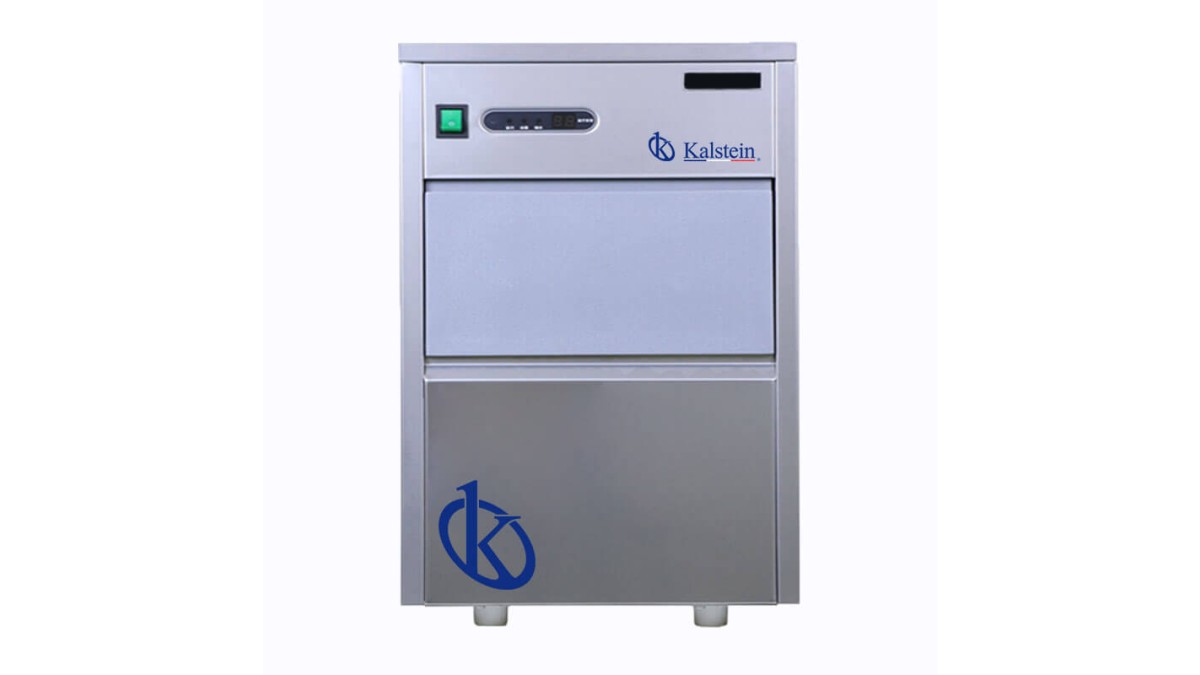
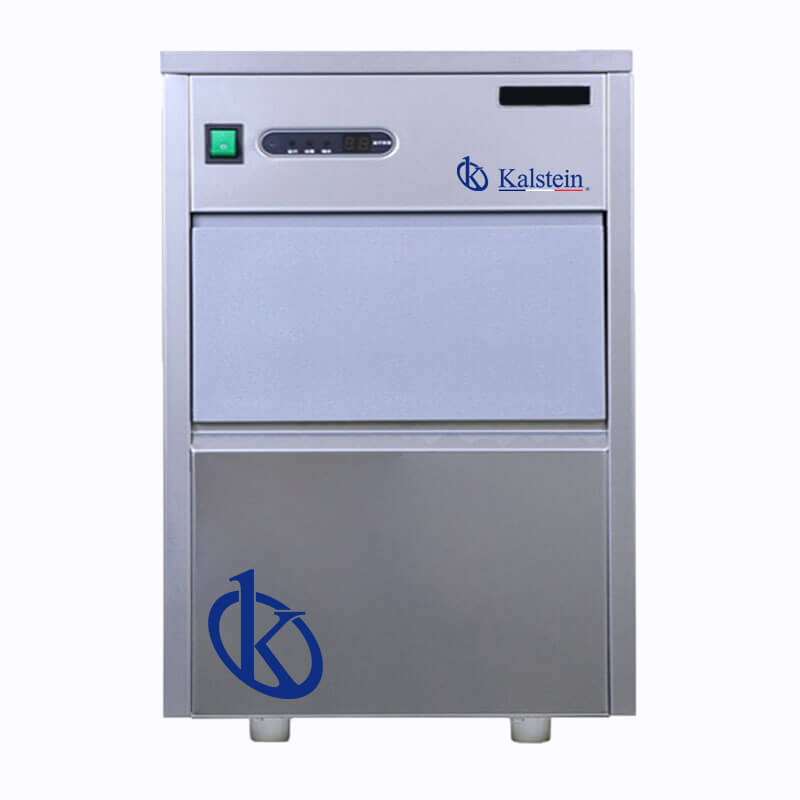
Ice Machines: Practical Applications and Techniques 2026
Ice machines play a critical role in various laboratory environments, including educational, medical, chemical, and biological sectors. Understanding their applications and operational techniques is essential for laboratory professionals aiming to optimize workflows.
What is it used for in 2026
In 2026, ice machines are utilized in laboratories primarily for cooling samples, preserving biological specimens, and supporting various experiments that require controlled temperatures. Their ability to produce consistent ice in varying quantities makes them indispensable in clinical settings, where the integrity of samples must be maintained. In addition, they are used in research laboratories for experiments that necessitate low-temperature conditions and immediate cooling of reagents and samples.
History and evolution of the technology
The evolution of ice machines dates back to the early 20th century when manual methods of ice production were commonly used. Over the decades, technological advancements introduced automatic systems powered by refrigeration technology, significantly improving efficiency and output. The introduction of high-quality materials, such as stainless steel and eco-friendly refrigerants, has further enhanced their durability and environmental sustainability. Modern ice machines now utilize computerized controls for precise operation, ensuring consistent ice quality and production rates.
How to use it step by step
- Ensure the ice machine is properly connected to a water supply and power source.
- Turn on the machine and set the desired ice production capacity according to your laboratory's requirements.
- Monitor the machine's display for ice production status and any alerts or notifications.
- Once ice is produced, collect it in the designated storage bin.
- Regularly check and maintain the water level to ensure optimal ice production.
- After use, turn off the machine to conserve energy and prolong its lifespan.
Best techniques and protocols
Utilizing ice machines effectively requires adherence to specific techniques and protocols:
- Regularly calibrate the machine to ensure accurate ice production.
- Maintain cleanliness by regularly sanitizing the storage bin and water supply system.
- Follow manufacturer guidelines for optimal temperature settings to prevent ice melting.
- Use ice immediately after production to maintain its integrity for experiments.
- Document usage patterns and maintenance schedules for compliance and efficiency tracking.
Practical applications by laboratory type
Different laboratory types utilize ice machines in distinct ways:
- Educational Laboratories: Used for experiments requiring cooling and preservation of samples.
- Medical Laboratories: Essential for sample storage and transportation to maintain viability.
- Chemical Laboratories: Needed for reactions that require specific temperature controls.
- Biological Laboratories: Crucial for preserving biological specimens and enzyme reactions.
Regulations, standards and certifications
Ice machines must comply with various regulations and standards, such as:
- ISO certifications for manufacturing quality.
- FDA regulations for medical laboratory equipment.
- Environmental standards for refrigerants to ensure sustainability.
- Local health and safety codes for laboratory equipment usage.
Comparison with alternative technologies
When comparing ice machines to alternative cooling technologies, such as refrigeration units or liquid nitrogen systems, ice machines offer specific advantages:
- Cost-effectiveness for smaller scale applications.
- Ease of use and maintenance compared to complex systems.
- Immediate cooling solutions without the need for specialized training.
Comparison of available models
| Model | Best for | Key specs | Recommended use case |
|---|---|---|---|
| YR05130 | Laboratory use for educational and medical applications | 20 Kg / 24h, 280 W, 10 Kg storage | Ideal for schools and clinics needing moderate ice production |
| YR05131 | High-quality shaved ice for various laboratory applications | 30 Kg / 24h, 300 W, 10 Kg storage | Best suited for labs requiring higher quality ice |
| YR05132 | Research applications needing large ice quantities | 40 Kg / 24h, 360 W, 15 Kg storage | Perfect for biological labs with high ice demands |
| YR05133 | High-volume ice production for various uses | 50 Kg / 24h, 380 W, 15 Kg storage | Recommended for larger labs with extensive research needs |
| YR05134 | Large scale ice production for commercial laboratories | 60 Kg / 24h, 420 W, 25 Kg storage | Ideal for commercial labs requiring significant quantities of ice |
| YR05135 | Versatile applications in medical and research fields | 70 Kg / 24h, 460 W, 25 Kg storage | Best for labs needing a balance of capacity and performance |
| YR05136 | Maximal ice production for advanced laboratory use | 85 Kg / 24h, 480 W, 25 Kg storage | Perfect for high-demand environments needing constant ice supply |
Common mistakes and how to avoid them
Laboratory professionals often make mistakes that can affect the performance of ice machines:
- Neglecting regular maintenance: Schedule regular cleaning and checks to ensure efficient operation.
- Ignoring calibration: Regularly calibrate the machine to ensure accuracy in ice production.
- Improper water supply management: Always ensure a consistent water supply to prevent production issues.
- Not following manufacturer guidelines: Adhere strictly to the operational manual for optimal use.
Maintenance, calibration and good practices 2026
Maintaining ice machines involves several key practices:
- Perform routine checks on water filters and replace as necessary.
- Regularly clean the ice storage bin and production unit to prevent contamination.
- Calibrate the machine according to the manufacturer’s specifications to ensure accurate ice output.
- Document any maintenance activities to track performance and issues.
Cost-benefit analysis 2026
When evaluating the cost-effectiveness of ice machines in 2026, consider the following:
- Initial investment versus long-term savings on ice purchases.
- Operational efficiency and reduced downtime due to reliable performance.
- Potential for increased productivity in laboratory workflows.
- Longevity of the machines and low maintenance costs relative to other cooling technologies.
Frequently asked questions
What should I consider when choosing an ice machine for my lab?
Consider the ice production capacity, storage size, and energy efficiency. Assess your lab's specific needs and ensure that the machine meets the required standards for your applications.
How often should I clean and maintain my ice machine?
Regular cleaning and maintenance should be performed at least once a month, with more frequent checks if the machine is used heavily. Always follow the manufacturer's recommendations.
Can I use tap water in my ice machine?
Yes, most ice machines are designed to use tap water. However, ensure that the water supply is clean and free from impurities to avoid contamination.
What is the ideal temperature setting for ice production?
The ideal temperature setting varies by machine, but it is generally recommended to keep the surrounding area cool and maintain adequate airflow around the unit.
How can I increase the efficiency of my ice machine?
Regular maintenance, proper calibration, and ensuring a consistent water supply can significantly enhance the efficiency of your ice machine.
Is it necessary to have a backup ice machine?
For laboratories with high demands for ice, having a backup machine can prevent workflow disruptions due to equipment failure.
How do ice machines compare to liquid nitrogen for cooling?
Ice machines offer a more accessible and cost-effective solution for immediate cooling needs, while liquid nitrogen is better for extremely low temperatures. Choose based on your specific laboratory requirements.
If you are looking for a fusion of innovation and quality, you have come to the right place. At Kalstein, we offer you the luxury of exploring our exclusive catalog of laboratory equipment. We manufacture every device to the highest standards of excellence. Our intuitive and seamless online purchasing channels are designed for your convenience, securing the most competitive prices. Hesitate no longer — we bring science to life, it is time to become part of our community.