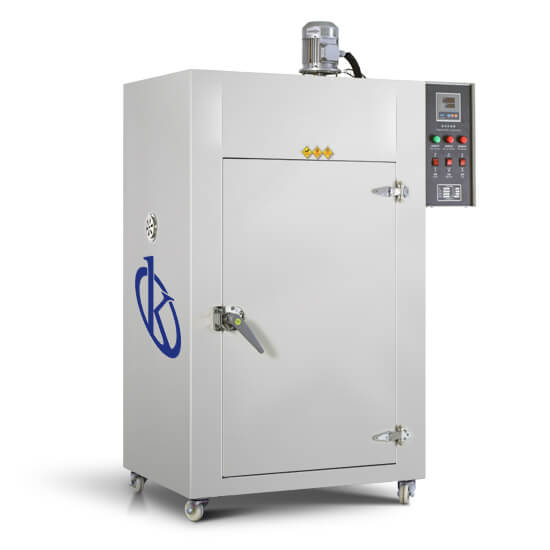
Industrial Ovens: Practical Applications and Techniques 2026
Industrial ovens play a crucial role in various laboratory settings, particularly in research, biotechnology, and academia. These versatile devices are designed for multiple applications, including drying, curing, and sterilizing. As we look towards 2026, understanding how to effectively use these ovens will enhance productivity and efficiency in laboratory workflows. This article will delve into their uses, history, best practices, and more.
What is it used for in 2026
In 2026, industrial ovens are primarily used for processes such as drying, heat treatment, curing coatings, and sterilizing laboratory equipment. They provide controlled environments to ensure consistent results in experiments and manufacturing processes. Specifically, industries utilizing industrial ovens include electronics, pharmaceuticals, and materials science.
History and evolution of the technology
The technology behind industrial ovens has evolved significantly over the years. Originally, these ovens were simple heated chambers without temperature control. With advancements in microcomputer technology, modern ovens now feature precise temperature controls, digital displays, and enhanced safety mechanisms. Such improvements have made them indispensable in many industrial and laboratory settings.
How to use it step by step
- Preparation: Ensure the oven is clean and free of any residues from previous uses.
- Set Parameters: Input the desired temperature and time settings based on the material being processed.
- Load Samples: Place samples inside the oven, ensuring adequate space for airflow.
- Start the Oven: Activate the oven and monitor the display for any alerts.
- Post-Operation: Once the cycle is complete, safely remove the samples and document the results.
Best techniques and protocols
To achieve optimal results, follow these protocols when using industrial ovens:
- Calibrate the oven regularly to ensure accurate temperature readings.
- Use insulated gloves when handling hot samples.
- Maintain a consistent loading technique to improve even heat distribution.
- Document each use for troubleshooting and quality control.
Practical applications by laboratory type
Different laboratory types utilize industrial ovens for specific applications:
- Biotechnology: Used for drying biological samples and sterilizing glassware.
- Electronics: Essential for curing coatings on circuit boards.
- Research: Applied in the preparation of materials for experiments and testing.
Regulations, standards and certifications
Industrial ovens must comply with various regulations and standards, including:
- ISO 9001 for quality management systems.
- CE marking for compliance with European health, safety, and environmental protection standards.
- Local safety regulations pertaining to electrical and thermal devices.
Comparison with alternative technologies
When considering industrial ovens, it is beneficial to compare them with other technologies:
- Microwave Ovens: Faster but less uniform heat distribution.
- Convection Ovens: Provide good airflow but may not reach as high temperatures.
- Vacuum Ovens: Ideal for moisture-sensitive materials but are more expensive.
Comparison of available models
| Model | Best for | Key specs | Recommended use case |
|---|---|---|---|
| YR05256-A | Industrial drying | 300L, 380V, ±1℃ accuracy | Dehydration of products in batch production |
| YR05257-1-A | Large scale drying | 864L, 380V, ±1℃ accuracy | Continuous operation for large samples |
| YR05258-SS | Industrial drying | 300L, 380V, ±1℃ accuracy | Jewelry and electronic components drying |
| YR05259-1-SS | Heavy duty drying | 864L, 380V, ±1℃ accuracy | High volume batch processing |
Common mistakes and how to avoid them
Some common mistakes include:
- Overloading the oven, which can lead to uneven heating.
- Ignoring calibration, resulting in inaccurate temperature settings.
- Not allowing proper airflow, which can cause overheating and potential damage.
To avoid these issues, always follow manufacturer guidelines and regularly check oven performance.
Maintenance, calibration and good practices 2026
Regular maintenance is crucial for the longevity of industrial ovens:
- Calibrate the temperature settings every three months to ensure accuracy.
- Inspect door seals and hinges regularly for wear and tear.
- Clean the interior after each use to prevent contamination.
Cost-benefit analysis 2026
Investing in industrial ovens can yield significant benefits:
- Efficiency: Improved process times and consistency.
- Quality: Enhanced product quality due to precise temperature control.
- Longevity: Durable construction leads to lower long-term costs.
Frequently asked questions
What should I consider when choosing an industrial oven?
When selecting an industrial oven, consider the type of materials you'll be processing, the required temperature range, and the oven's capacity. Additionally, assess the oven's compliance with industry standards and safety regulations.
How often should I calibrate my industrial oven?
It is recommended to calibrate your industrial oven every three months to ensure accurate temperature readings and consistent results in your processes.
Can I use an industrial oven for different materials?
Yes, industrial ovens can be used for various materials, but it is vital to adjust temperature settings and times according to the specific requirements of each material to prevent damage.
What are the best practices for loading materials in an industrial oven?
To ensure even heat distribution, load materials without overcrowding the oven. Leave sufficient space between items to allow for proper airflow. Follow the recommended loading patterns suggested by the manufacturer.
How can I maintain my industrial oven?
Regular maintenance includes cleaning the interior, inspecting seals and hinges, and calibrating the temperature settings. These practices will enhance the oven's performance and lifespan.
What is the typical lifespan of an industrial oven?
The lifespan of an industrial oven can vary depending on usage and maintenance, but with proper care, they can last anywhere from 10 to 20 years.
How can I request a quote for an industrial oven?
You may request a quote through our dedicated platform, where you can find detailed information and pricing for various models.
If you are looking for a fusion of innovation and quality, you have come to the right place. At Kalstein, we offer you the luxury of exploring our exclusive catalog of laboratory equipment. We manufacture every device to the highest standards of excellence. Our intuitive and seamless online purchasing channels are designed for your convenience, securing the most competitive prices. Hesitate no longer — we bring science to life, it is time to become part of our community.