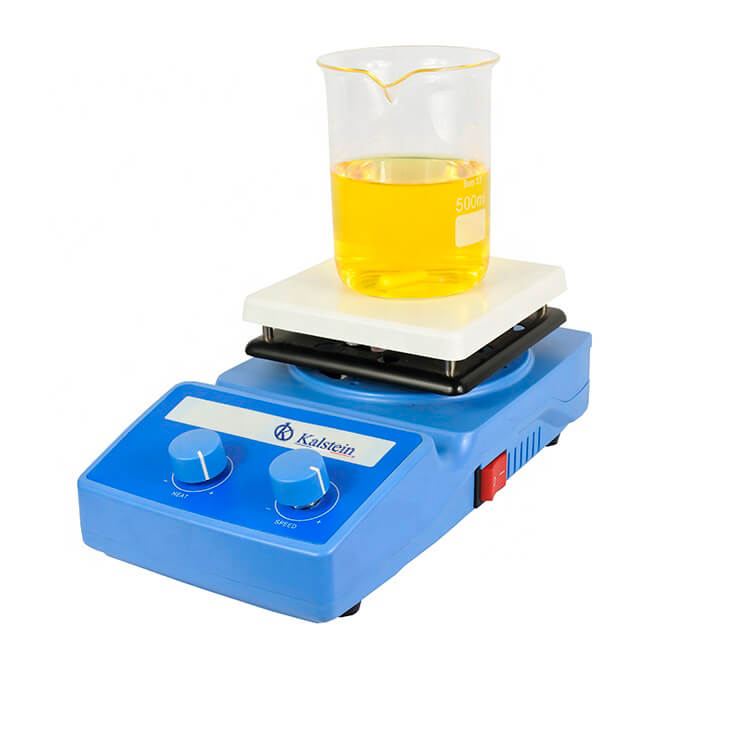
How to Integrate Analog Ceramic Top Hotplate Stirrers with LIMS for Enhanced Data Digitalization
The integration of laboratory equipment with Laboratory Information Management Systems (LIMS) is becoming increasingly crucial for optimizing workflows, enhancing data management, and ensuring compliance with regulatory standards. In the context of Analog Ceramic Top Hotplate Stirrers, this integration is pivotal for achieving seamless data flow and operational efficiency. This article will explore this topic in depth, covering multiple models in the Analog Ceramic top Hotplate Stirrer subcategory, their specifications, and how they can be effectively integrated with LIMS.
Understanding LIMS Integration in Laboratory Settings
LIMS is a software-based solution that helps laboratories manage samples, associated data, and laboratory workflows. The integration of LIMS with laboratory equipment, such as Analog Ceramic Top Hotplate Stirrers, allows for real-time data collection, monitoring, and analysis. This capability not only streamlines laboratory processes but also enhances data integrity and compliance with quality standards.
Benefits of Integrating Hotplate Stirrers with LIMS
The integration of Analog Ceramic Top Hotplate Stirrers with LIMS presents numerous advantages:
- Improved Efficiency: Automated data capture reduces manual entry errors and saves time.
- Real-Time Monitoring: Continuous monitoring of experiments allows for immediate adjustments and better control over procedures.
- Data Integrity: Ensures that all records are traceable and compliant with standards such as ISO 17025.
- Enhanced Reporting: Facilitates the generation of comprehensive reports that are essential for audits and reviews.
Comparison of Available Models
| Model | Temperature Range | Power (W) | Best Use Case |
|---|---|---|---|
| YR02933 | Ambient to 380 °C | N/A | Standard heating applications |
| YR02934 | Ambient to 380 °C | N/A | Biological sample heating |
| YR02935 | Ambient to 380 °C | 750 | Laboratory mixing and heating |
| YR02936 | Ambient to 400 °C | 450 | Advanced chemical reactions |
Technical Considerations for LIMS Integration
When integrating Analog Ceramic Top Hotplate Stirrers with LIMS, several technical aspects need to be considered:
- Connectivity: Ensure that the stirrers can communicate with LIMS through appropriate connectivity protocols.
- Data Formats: Understand the data formats used by the hotplate stirrers and whether they are compatible with LIMS.
- Validation: Implement a validation step to confirm that the integration is functioning as intended.
Common Mistakes and How to Avoid Them
While integrating Analog Ceramic Top Hotplate Stirrers with LIMS, laboratories often encounter common pitfalls:
- Inadequate Planning: Failing to outline the integration process can lead to complications.
- Ignoring Compliance: Not ensuring compliance with standards (e.g., ISO 17025) can lead to data integrity issues.
- Overlooking Training: Neglecting to train staff on the new system can result in operational inefficiencies.
Data Digitalization Strategies with Hotplate Stirrers
To fully leverage the benefits of LIMS integration, laboratories should consider the following data digitalization strategies:
- Automated Data Capture: Utilize stirrers that offer automated data capture, reducing errors and improving efficiency.
- Centralized Data Management: Implement LIMS to serve as a centralized hub for all data generated by hotplate stirrers.
- Regular Updates: Ensure that software and firmware for both the stirrers and LIMS are kept up to date to prevent compatibility issues.
Frequently Asked Questions
How can I ensure my Analog Ceramic Top Hotplate Stirrer is compatible with LIMS?
To ensure compatibility between your Analog Ceramic Top Hotplate Stirrer and LIMS, verify that the stirrer model supports standard communication protocols. For example, the YR02934 model can be integrated using common data formats that LIMS can interpret. Always refer to the technical specifications to ensure seamless connectivity.
What are the benefits of using the YR02935 model in a LIMS environment?
The YR02935 model, with its advanced heating capabilities up to 380 °C, is ideal for use in a LIMS environment as it supports precise data logging and temperature control. This feature allows for real-time data capture, essential for maintaining compliance with laboratory standards like ISO 17025.
Which protocols should I consider when integrating hotplate stirrers with LIMS?
When integrating hotplate stirrers with LIMS, consider protocols such as REST and ASTM. For instance, the YR02936 model can communicate effectively using these protocols, facilitating smoother data transfer and integration into your LIMS.
How does LIMS integration affect compliance with ISO standards?
LIMS integration significantly enhances compliance with ISO standards by automating data collection and ensuring traceability. Using models like YR02934, which features digital temperature monitoring, ensures that all data is recorded accurately and meets ISO 17025 requirements.
What challenges might I face while integrating Analog Ceramic Top Hotplate Stirrers with LIMS?
Challenges may include ensuring compatibility between different systems, managing data security, and training personnel on new software. Choosing models like YR02935, known for their robust technology, can mitigate some of these challenges by simplifying integration processes.
How can I achieve better data management with Analog Ceramic Top Hotplate Stirrers?
Improving data management with Analog Ceramic Top Hotplate Stirrers can be achieved by utilizing LIMS for data entry and management. Models such as YR02936 facilitate this by providing detailed operational data that can be directly fed into LIMS, ensuring accurate record-keeping and compliance.
What are key features of the YR02933 for LIMS integration?
The YR02933 model offers essential features for LIMS integration, such as consistent temperature control and easy connectivity with data management systems. These features help ensure that the data collected is reliable and compliant with necessary standards.
How does LIMS improve operational efficiency in labs using hotplate stirrers?
LIMS enhances operational efficiency by automating data collection and reporting processes. For instance, using the YR02934 model in conjunction with LIMS allows for real-time tracking of experiments, thus reducing manual input and increasing throughput.
If you are looking for a fusion of innovation and quality, you have come to the right place. At Kalstein, we offer you the luxury of exploring our exclusive catalog of laboratory equipment. We manufacture every device to the highest standards of excellence. Our intuitive and seamless online purchasing channels are designed for your convenience, securing the most competitive prices. Hesitate no longer — we bring science to life, it is time to become part of our community.