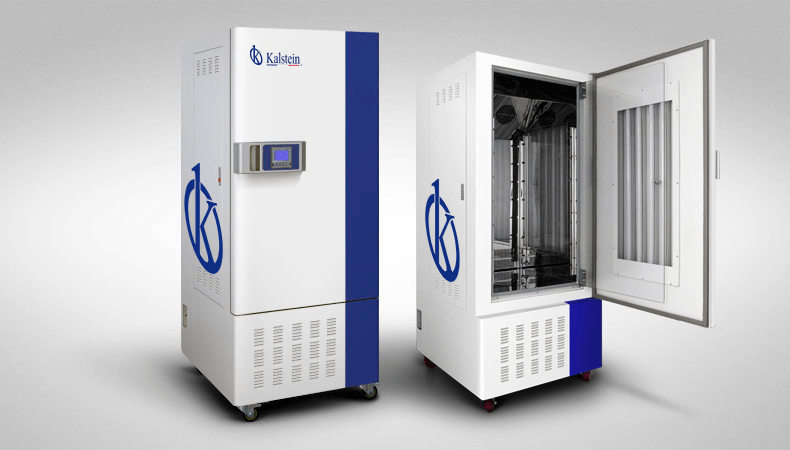
How to Integrate Artificial Climate Chambers with LIMS for Data Digitalization?
Artificial Climate Chambers are vital tools in various research fields, including biology, agriculture, and environmental studies. The integration of these chambers with Laboratory Information Management Systems (LIMS) enhances data digitalization, streamlining workflows and improving data accuracy. This article will delve into the benefits of such integration while comparing multiple models available in the market.
The Role of LIMS in Modern Lab Environments
Laboratory Information Management Systems are designed to manage samples, associated data, and laboratory workflows efficiently. In the context of Artificial Climate Chambers, LIMS facilitate the tracking of experimental conditions, data collection, and analysis, thereby enhancing reproducibility in research. With the rise in data-driven decision-making, integrating LIMS capabilities within climate chambers is becoming increasingly essential.
Benefits of Integrating Artificial Climate Chambers with LIMS
Integrating Artificial Climate Chambers with LIMS allows for seamless data transfer, real-time monitoring, and automated reporting, significantly reducing human error. For instance, parameters such as temperature, humidity, and light intensity can be monitored continuously and stored directly in the LIMS. This integration not only saves time but also enhances data integrity and compliance with regulatory standards.
Key Connectivity Protocols for LIMS Integration
Successful integration relies on adopting appropriate connectivity protocols. Common protocols include HL7, ASTM, and RESTful APIs. These standards foster communication between the climate chambers and LIMS, ensuring efficient data exchange. For instance, ASTM protocols can be particularly useful for laboratories focusing on environmental testing, guaranteeing adherence to specified measurement standards.
Comparison of Available Models
| Model | Temperature Range (°C) | Humidity Range (%) | Integration Effort | Best For |
|---|---|---|---|---|
| YR05347 | 10 to 65 (with light) | 50 to 90 | Moderate | Biological tissues and plant growth |
| YR05348 | 10 to 65 (with light) | 50 to 90 | High | Cell cultures and small animal feeding |
| YR05349 | 10 to 65 (with light) | 50 to 90 | Moderate | Insect breeding and biological experiments |
Common Mistakes and How to Avoid Them
One common mistake during LIMS integration is underestimating the complexity of data management. Laboratories often overlook the necessity for training personnel on the new system. Moreover, ensuring that the selected climate chamber supports the required protocols is crucial. A thorough evaluation of each model's specifications, such as those of the YR05348 with its robust connectivity options, can mitigate these pitfalls.
Best Practices for Data Digitalization in Climate Chambers
To ensure effective data digitalization, laboratories should implement a systematic approach. This includes regular calibration of instruments, maintaining standardized protocols for data entry, and establishing a clear hierarchy for data accessibility. Utilizing the built-in features of models like YR05349, which supports automated data logging, can significantly enhance data accuracy.
Understanding Regulatory Compliance Through LIMS
Regulatory compliance is paramount in laboratory settings, especially when dealing with sensitive biological data. Integrating LIMS with Artificial Climate Chambers aids in maintaining compliance with standards like ISO 17025. Each model, including the YR05347, can be aligned with specific compliance requirements, making auditing processes more straightforward.
Frequently Asked Questions
How does LIMS improve the management of artificial climate chamber data?
LIMS streamlines data management by automating the collection and storage of operational parameters from models like YR05348. This integration reduces human error and enhances data integrity, ensuring compliance with established standards.
What are the key features to look for in artificial climate chambers for LIMS integration?
When selecting an artificial climate chamber for LIMS integration, consider features such as connectivity protocols supported, data logging capabilities, and adaptability to various experimental conditions. For example, YR05349 offers robust data management features suitable for multiple research applications.
Which artificial climate chamber model is best for biological tissue experiments?
The YR05347 model is particularly well-suited for biological tissue experiments due to its precise temperature control and humidity range. Additionally, its features align well with LIMS integration, facilitating efficient data tracking throughout experiments.
How can I ensure compliance with ISO 17025 using artificial climate chambers?
To ensure ISO 17025 compliance, utilize models like YR05348, which come with advanced data logging and monitoring functions. Integrating these capabilities with a LIMS can help maintain detailed records necessary for compliance during audits.
What connectivity protocols are crucial for LIMS integration with climate chambers?
Essential connectivity protocols include ASTM and HL7, which facilitate effective communication between LIMS and artificial climate chambers. Ensuring compatibility with these standards enhances data sharing capabilities, particularly with models like YR05349.
How to choose the right artificial climate chamber for integration with existing laboratory systems?
Selecting the right artificial climate chamber, such as YR05347, involves evaluating compatibility with existing laboratory systems, including LIMS. Factors such as data logging features and supported protocols should be assessed to ensure smooth integration and functionality.
What maintenance practices are necessary for LIMS-integrated artificial climate chambers?
Regular maintenance practices include calibration of sensors, software updates, and routine checks of connectivity status. Implementing these practices for models like YR05348 will assure long-term reliability and performance in data-driven laboratory environments.
How much does an artificial climate chamber with LIMS integration typically cost?
Costs for artificial climate chambers, such as the YR05349, with LIMS integration can vary. On average, prices range from $2,745 to $3,420, depending on features and specifications that facilitate data digitalization and compliance.
If you are looking for a fusion of innovation and quality, you have come to the right place. At Kalstein, we offer you the luxury of exploring our exclusive catalog of laboratory equipment. We manufacture every device to the highest standards of excellence. Our intuitive and seamless online purchasing channels are designed for your convenience, securing the most competitive prices. Hesitate no longer — we bring science to life, it is time to become part of our community.