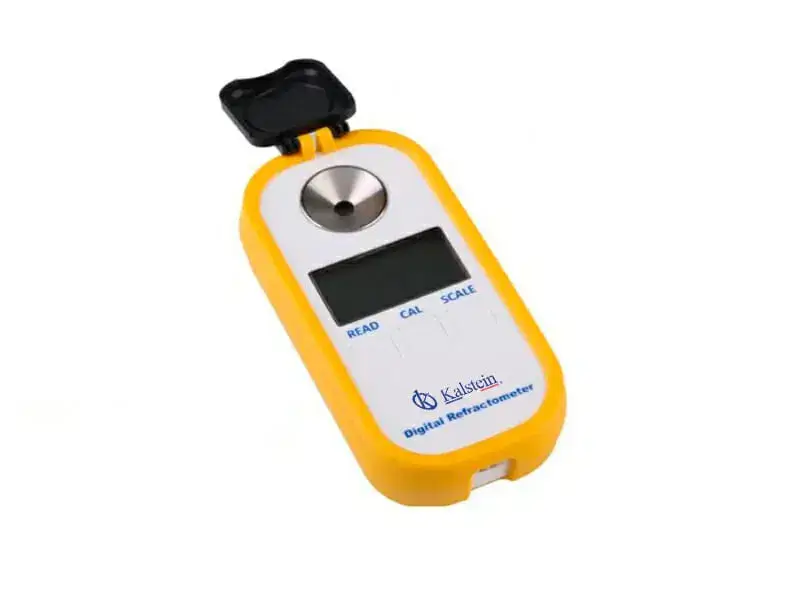
How to Integrate Digital BRIX+ Salinity Refractometers with LIMS and Optimize Data Flow?
In an increasingly data-driven laboratory environment, the integration of Digital BRIX+ Salinity Refractometers with Laboratory Information Management Systems (LIMS) is crucial for enhancing operational efficiency and data accuracy. These refractometers are essential for measuring the concentration of soluble solids and salinity in various solutions, making them invaluable tools in many industries, including food and beverage, pharmaceuticals, and environmental monitoring.
Understanding Digital BRIX+ Salinity Refractometers
Digital BRIX+ Salinity Refractometers are specialized devices designed to measure the concentration of soluble solids in aqueous solutions, primarily sugars, and salinity levels. They utilize automatic temperature compensation (ATC) to ensure precise readings without manual temperature adjustments, functioning optimally within the temperature range of 0 to 40°C. This functionality makes them particularly effective in dynamic laboratory settings.
The five models under consideration include:
- YR05961: Ideal for measuring BRIX levels in fruit juices and syrups, with a measurement range of 0-50%.
- YR05962: Suited for salinity measurements up to 280‰, perfect for brine solutions.
- YR05963: Another salinity meter with a range of 0-280‰, but with a larger minimum division for more general uses.
- YR05964: Measures density from 1.000 to 1.217, useful in various liquid measurement applications.
- YR05965: Designed for refractive index measurements, ranging from 1.3330 to 1.4200nD, which is essential in optical testing.
Importance of LIMS Integration
Integrating these refractometers with a LIMS can significantly enhance data management, reduce error rates, and streamline workflows. By automating data capture and storage, laboratories can ensure that all measurements are accurately recorded, traceable, and easily accessible for analysis and reporting purposes. This seamless flow of information reduces manual entry errors and speeds up the decision-making process.
Connectivity Protocols for Refractometers
When integrating Digital BRIX+ Salinity Refractometers with LIMS, it is crucial to consider the connectivity options available. Commonly used protocols include:
- ASTM: This standard is often used in laboratory settings for data exchange between measuring instruments and software.
- HL7: While primarily used in healthcare, it can be adapted for laboratory data communication.
- REST APIs: These allow for flexible communication between devices and LIMS, enabling real-time data exchange.
Best Practices for Data Flow Optimization
To optimize data flow with LIMS integration, consider the following best practices:
- Ensure compatibility between the refractometer’s output format and the LIMS data entry requirements.
- Implement bidirectional interfaces to allow for data updates and error corrections.
- Conduct regular training sessions for laboratory staff to familiarize them with the integrated system.
Comparison of Available Models
| Model | Measurement Type | Measurement Range | Min. Division | Precision | ATC |
|---|---|---|---|---|---|
| YR05961 | BRIX | 0-50% | 0.10% | ±0.2% | Yes |
| YR05962 | Salinity | 0-280‰ | 0.10% | ±0.2% | Yes |
| YR05963 | Salinity | 0-280‰ | 1‰ | ±2‰ | Yes |
| YR05964 | Density | 1.000-1.217 | 0.001 | ±0.002 | Yes |
| YR05965 | Refractive Index | 1.3330-1.4200nD | 0.0001nD | ±0.0003nD | Yes |
Common Mistakes and How to Avoid Them
Laboratories often encounter pitfalls when integrating Digital BRIX+ Salinity Refractometers with LIMS. Common mistakes include:
- Failing to conduct a needs assessment before integration, which can lead to software incompatibility.
- Not training staff adequately on the new system, resulting in underutilization of the technology.
- Overlooking regular maintenance of the refractometers, which can affect data quality.
Frequently Asked Questions
How can I ensure my Digital BRIX Refractometer meets LIMS requirements?
To ensure your Digital BRIX Refractometer meets LIMS requirements, it is crucial to check compatibility with data exchange protocols such as ASTM or REST APIs. The YR05961 model, for example, provides reliable Brix measurements and can be integrated easily if connected to appropriate middleware.
What is the best Digital BRIX model for measuring salinity concentrations?
The YR05962 model is specifically designed for measuring salinity concentrations up to 280‰, making it an excellent choice for applications requiring precise salinity readings. Its integration with LIMS can streamline data management significantly.
How do I perform regular maintenance on Digital BRIX refractometers?
Regular maintenance includes calibration checks, cleaning of the optical components, and verifying the accuracy of readings against known standards. The YR05961 model requires calibration at intervals based on usage frequency to maintain accuracy.
Which connectivity protocols improve data flow with refractometers?
Protocols like ASTM and REST APIs facilitate seamless data flow between Digital BRIX+ Salinity Refractometers and LIMS, enhancing data integrity and accessibility. Ensuring that your model, such as YR05962, supports these protocols is essential for effective integration.
What role does automatic temperature compensation play in measurement accuracy?
Automatic temperature compensation (ATC) is critical for ensuring accurate readings across varying temperatures. The YR05961 model incorporates ATC which adjusts Brix measurements based on temperature fluctuations, thereby enhancing reliability in results.
How can I optimize the use of Digital BRIX Refractometers in my lab?
Optimizing the use of Digital BRIX Refractometers involves integrating them with LIMS for automated data capture, conducting staff training, and implementing regular calibration schedules to ensure consistent accuracy in measurements.
What are the benefits of integrating refractometers with LIMS?
Integration with LIMS provides numerous benefits, including improved data accuracy, reduced manual entry errors, and enhanced workflow efficiency. Digital BRIX Refractometers, such as the YR05964, can significantly enhance data management processes in labs.
What should I consider when choosing a Digital BRIX refractometer for my application?
When selecting a Digital BRIX refractometer, consider factors such as measurement range, precision, temperature compensation features, and compatibility with your LIMS. The YR05962 model's specific capabilities make it ideal for niche applications involving salinity measurement.
If you are looking for a fusion of innovation and quality, you have come to the right place. At Kalstein, we offer you the luxury of exploring our exclusive catalog of laboratory equipment. We manufacture every device to the highest standards of excellence. Our intuitive and seamless online purchasing channels are designed for your convenience, securing the most competitive prices. Hesitate no longer — we bring science to life, it is time to become part of our community.