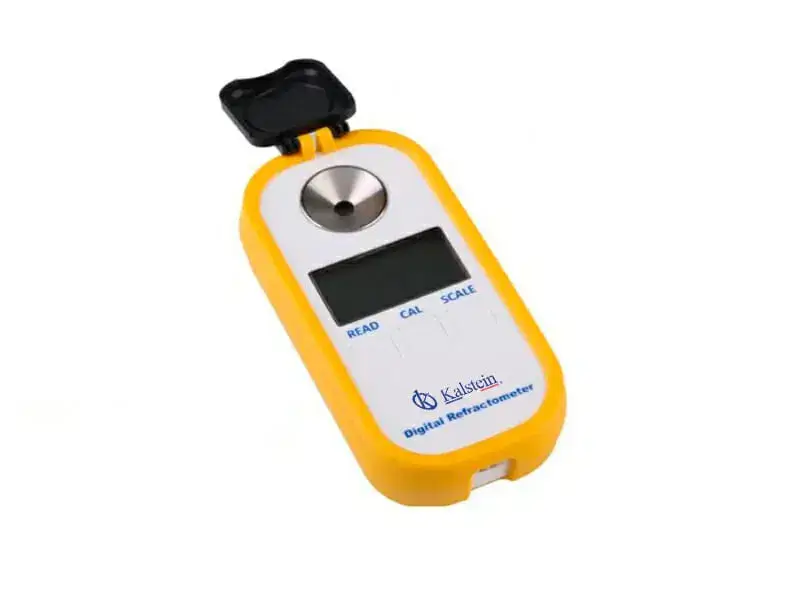
How to Integrate Digital Salinity Refractometers with LIMS for Data Digitalization
In today's highly digitized laboratory environments, the need for seamless data management and integration can't be overstated. Digital Salinity Refractometers serve as essential tools for measuring salinity levels in various solutions, and their integration with Laboratory Information Management Systems (LIMS) enhances the overall workflow efficiency. This article focuses on how different models of Digital Salinity Refractometers can be integrated with LIMS for optimal data digitalization.
Understanding Digital Salinity Refractometers
Digital Salinity Refractometers are advanced instruments used for measuring the salinity of solutions like sodium chloride and seawater. These devices offer precise measurements with automatic temperature compensation (ATC), making them invaluable in laboratory settings. Examples include the YR05953, YR05954, YR05955, YR05956, YR05957, YR05958, YR05959, and YR05960 models, each designed for specific measurement ranges and applications. For instance, the YR05954 measures salinity from 0 to 280‰ with an accuracy of ±1‰, making it suitable for various saline solutions.
The Importance of LIMS Integration
LIMS plays a crucial role in managing laboratory data by streamlining workflows, ensuring data integrity, and enhancing compliance with regulatory standards. Integrating Digital Salinity Refractometers with LIMS helps in automating data entry, reducing human errors, and facilitating real-time data access. This integration leads to improved productivity, quicker decision-making, and better research outcomes.
Key Features of Digital Salinity Refractometers for LIMS Integration
When considering integration, key features of the Digital Salinity Refractometers must be examined. These features include:
- Temperature Compensation: Automatic temperature compensation ensures that readings are accurate across different temperatures, essential for data validity.
- Measurement Range: The models offer varied measurement ranges, allowing laboratories to select the right tool for their specific needs.
- Data Output: Models like the YR05956 provide digital outputs that can be easily incorporated into LIMS for automated record keeping.
Comparison of Available Models
| Model | Measurement Range | Minimum Division | Accuracy | Temperature Compensation |
|---|---|---|---|---|
| YR05953 | 0.0–28.0% | 0.10% | ±0.1% | Yes |
| YR05954 | 0–280‰ | 1‰ | ±1‰ | Yes |
| YR05955 | 1.000–1.217 | 0.001 | ±0.002 | Yes |
| YR05956 | 1.3330–1.3900nD | 0.0001nD | ±0.0003nD | Yes |
| YR05957 | 0—100‰ | 1‰ | ±2‰ | Yes |
| YR05958 | 0–57‰ | 1‰ | ±2‰ | Yes |
| YR05959 | 1.000–1.070 | 0.001 | ±0.002 | Yes |
| YR05960 | 1.3330–1.3530nD | 0.0001nD | ±0.0003nD | Yes |
Strategies for Effective LIMS Integration
To successfully integrate Digital Salinity Refractometers into a LIMS environment, consider the following strategies:
- Choose Compatible Models: Ensure that the selected refractometer models support the necessary data output formats for seamless integration.
- Establish Protocols: Develop clear protocols for data transfer and management to maintain data integrity and accuracy.
- Training and Support: Provide training for laboratory personnel on using the new integrated system to maximize efficiency.
Common Mistakes and How to Avoid Them
Integrating Digital Salinity Refractometers with LIMS can present challenges. Common pitfalls include:
- Neglecting User Training: Ensure that all operators are well-trained on the integration process and data management.
- Incompatible Software: Verify that the software used by your LIMS supports the data formats generated by the refractometers.
- Ignoring Data Validation: Regularly verify data accuracy and integrity post-integration to avoid discrepancies.
Frequently Asked Questions
What are the benefits of integrating Digital Salinity Refractometers with LIMS?
Integrating models like the YR05954 with LIMS facilitates automated data entry, reduces human errors, and enhances real-time data access, improving laboratory efficiency.
How does the ATC feature aid in LIMS data accuracy?
The automatic temperature compensation (ATC) feature in Digital Salinity Refractometers, such as the YR05953, ensures accurate readings regardless of temperature variations, crucial for reliable data in LIMS.
Which models are best suited for high-throughput laboratories?
The YR05954 model, with a measurement range of 0–280‰ and an accuracy of ±1‰, is ideal for high-throughput labs requiring quick and reliable salinity readings.
What connectivity protocols are supported for LIMS integration?
Digital Salinity Refractometers often support common connectivity protocols like HL7 and ASTM, which facilitate straightforward integration with LIMS systems.
How can I ensure data integrity when using Digital Salinity Refractometers with LIMS?
Regular data validation and calibration checks for models like the YR05955 are essential in maintaining data integrity and accuracy in a LIMS environment.
What are the costs associated with integrating Digital Salinity Refractometers into a LIMS?
The total cost includes refractometer purchases, LIMS software setup, and training. For example, a model like the YR05956 is priced around $76, but total integration costs will vary based on specific lab needs.
Does LIMS integration improve compliance with regulatory standards?
Yes, integrating Digital Salinity Refractometers like the YR05957 with LIMS can streamline compliance with standards by ensuring data accuracy, traceability, and documentation.
What are some best practices for LIMS integration in laboratories?
Best practices include selecting compatible models, developing clear data management protocols, offering comprehensive training, and ensuring regular system maintenance for optimal performance.
If you are looking for a fusion of innovation and quality, you have come to the right place. At Kalstein, we offer you the luxury of exploring our exclusive catalog of laboratory equipment. We manufacture every device to the highest standards of excellence. Our intuitive and seamless online purchasing channels are designed for your convenience, securing the most competitive prices. Hesitate no longer — we bring science to life, it is time to become part of our community.