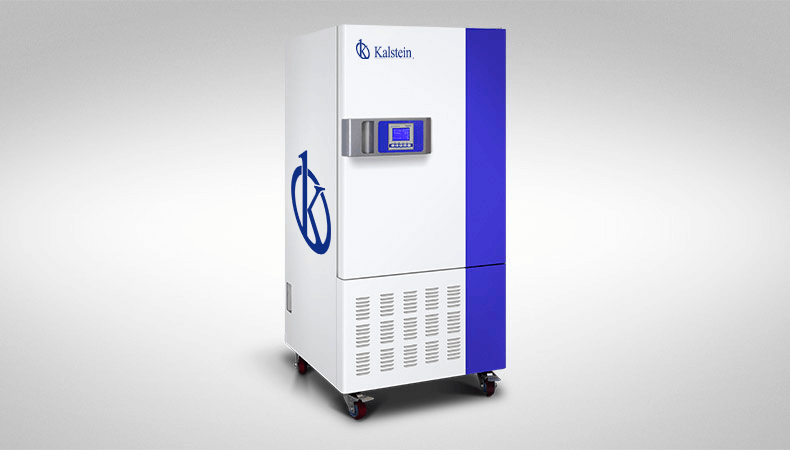
How to Integrate Drug Stability Test Chambers with LIMS for Data Digitalization
In modern laboratories, the integration of Drug Stability Test Chambers with Laboratory Information Management Systems (LIMS) is critical for enhancing operational efficiency and ensuring compliance with industry regulations. As the industry moves towards digitalization, understanding the synergy between these systems is essential for laboratory professionals. This article delves into the multifaceted benefits of implementing LIMS integration in your drug stability testing processes.
Understanding Drug Stability Test Chambers
Drug stability test chambers are indispensable tools in the pharmaceutical industry, tasked with evaluating the stability of pharmaceutical products under controlled conditions. These chambers, such as the YR05350, YR05351, and YR05352 models, simulate environmental parameters like temperature and humidity, which are pivotal for assessing product longevity. By integrating these chambers with LIMS, laboratories can automate data capture, leading to improved accuracy and reduced manual errors.
Benefits of LIMS Integration for Drug Stability Testing
Integrating LIMS with drug stability test chambers offers numerous advantages, including enhanced data integrity, quicker retrieval of information, and better regulatory compliance. Laboratories can automate data collection from multiple test chambers, thereby reducing the risk of human error and increasing efficiency. Moreover, LIMS can facilitate compliance with standards such as ISO 17025, ensuring that data is traceable and reliable.
Connectivity Protocols for LIMS Integration
To achieve seamless integration, laboratories must consider various connectivity protocols used in LIMS systems. Common protocols include ASTM, HL7, and REST API, which enable bidirectional communication between the stability test chambers and the LIMS. For instance, the YR05350 model can easily be configured to send stability data directly to a LIMS using an ASTM protocol, allowing for real-time monitoring and reporting.
Data Management and Digital Workflows
Digital workflows, supported by LIMS, enable laboratories to manage data more effectively, facilitating real-time access to stability testing results. This approach minimizes the time spent on data entry and validation. By utilizing LIMS to create digital records of each test conducted within the YR05351 chamber, laboratories can streamline their operations and improve productivity.
Ensuring Compliance with Regulatory Standards
Compliance with regulatory standards is paramount in the pharmaceutical industry. Integrating LIMS with drug stability chambers helps laboratories adhere to guidelines such as ISO 17025 and Good Laboratory Practice (GLP). The YR05352 model's built-in data logging features facilitate compliance by ensuring comprehensive records of testing conditions and outcomes are maintained, thus simplifying audits and inspections.
Cost-Benefit Analysis of LIMS Integration
While the initial investment in LIMS integration may seem substantial, a cost-benefit analysis reveals significant long-term savings. By automating data workflows, laboratories can reduce operational costs and improve throughput. For example, integrating the YR05350 model with LIMS could lower the cost per stability test by minimizing manual data management and enhancing process efficiency.
Common Mistakes and How to Avoid Them
When integrating LIMS with drug stability test chambers, laboratories may encounter several pitfalls, such as inadequate planning or insufficient training for personnel. To avoid these issues, it is crucial to have a clear integration strategy, including training staff on both the LIMS software and the operational specifics of the drug stability test chambers, ensuring a smooth transition.
Comparison of Available Models
| Model | Temperature Range (°C) | Humidity Range | Best For |
|---|---|---|---|
| YR05350 | 0~60 | 50~90% HR | General drug stability testing |
| YR05351 | 0~60 | 50~90% HR | Advanced pharmaceutical research |
| YR05352 | 0~60 | 50~90% HR | High-precision stability tests |
Frequently Asked Questions
What are the connectivity options for LIMS integrated drug stability test chambers?
Connectivity options for LIMS integrated drug stability test chambers include protocols such as ASTM and HL7. For example, the YR05350 model can utilize ASTM for seamless data exchange, allowing laboratories to automate data input and ensure real-time updates.
How does LIMS integration improve data accuracy in drug stability testing?
LIMS integration enhances data accuracy by automating data capture from devices like the YR05351 chamber, reducing manual entry errors. This integration ensures that results are consistently recorded, providing reliable data for regulatory compliance.
What are the main compliance benefits of using drug stability test chambers with LIMS?
Using drug stability test chambers like the YR05352 with LIMS simplifies compliance with standards such as ISO 17025. The LIMS captures essential data and maintains records, facilitating easier audits and ensuring all testing complies with regulatory requirements.
What is the average cost of integrating a drug stability test chamber with LIMS?
The average cost of integrating a drug stability test chamber with LIMS can vary, but investments typically range from several thousand to tens of thousands of dollars. For instance, the initial setup involving the YR05350 model may cost around $2,500, excluding LIMS software expenses.
How can digital workflows enhance efficiency in drug stability testing?
Digital workflows streamline processes by automating data entry and retrieval, significantly enhancing efficiency. For example, integrating the YR05351 chamber with LIMS allows for real-time monitoring of stability test results, expediting decision-making and analysis.
What common mistakes do labs make when integrating LIMS with drug stability chambers?
Common mistakes include insufficient training of staff and lack of a defined integration strategy. To ensure a successful implementation, labs should prioritize comprehensive training and have a clear plan that involves all stakeholders.
Which models are best suited for regulatory compliance in stability testing?
Models like the YR05352 are best suited for regulatory compliance due to their advanced data logging features, which ensure that all testing conditions are accurately recorded, thereby simplifying compliance with industry regulations like ISO 17025.
How can laboratories assess the ROI of LIMS-integrated drug stability test chambers?
Laboratories can assess the ROI by analyzing cost savings from reduced labor and increased accuracy in data collection. Integrating the YR05350 model with LIMS can lead to lower operational costs, thus providing a clear financial benefit over time.
If you are looking for a fusion of innovation and quality, you have come to the right place. At Kalstein, we offer you the luxury of exploring our exclusive catalog of laboratory equipment. We manufacture every device to the highest standards of excellence. Our intuitive and seamless online purchasing channels are designed for your convenience, securing the most competitive prices. Hesitate no longer — we bring science to life, it is time to become part of our community.