How to Integrate Explosion-Proof Cabinets with LIMS for Data Flow Optimization?
Laboratories handling flammable and hazardous materials must prioritize safety while optimizing data management. Explosion-proof cabinets provide a crucial solution for secure storage, but integrating these systems with Laboratory Information Management Systems (LIMS) offers an advanced approach to data flow and safety. This article delves into the advantages of this integration, focusing on various models of explosion-proof cabinets and their compatibility with LIMS.
Understanding Explosion-Proof Cabinets
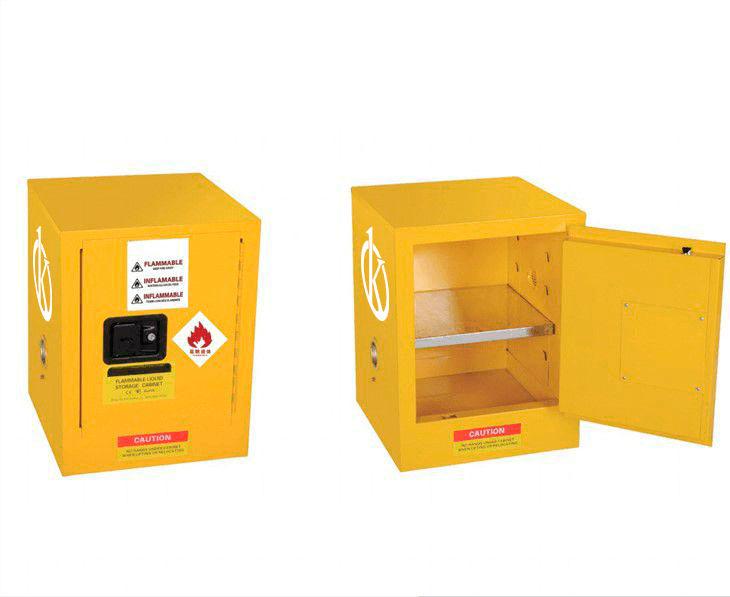
Explosion-proof cabinets are designed to store flammable liquids and hazardous materials safely. They prevent the ignition of vapors, ensuring laboratory safety. These cabinets come with features like double-lock systems, solid locking mechanisms, and adjustable shelving, making them suitable for diverse lab environments. By integrating these cabinets with LIMS, labs can enhance tracking and compliance with safety standards.
Benefits of Integrating LIMS with Explosion-Proof Cabinets
Integrating LIMS with explosion-proof cabinets streamlines data management, making it easier to monitor stored materials and ensure compliance with safety regulations. This integration allows for real-time data tracking, regulatory reporting, and inventory management. Additionally, LIMS can automate alerts for safety inspections and compliance audits, reducing manual workload and potential errors.
Comparison of Available Models
| Model | Dimensions (mm) | Weight (Kg) | Capacity (GAL) | Features |
|---|---|---|---|---|
| YR05464-1 | 330x330x330 | 21 | 2 | Environmental protection aerosol, strong insulation, double lock |
| YR05464-2 | 330x330x330 | 21 | 2 | Same features as YR05464-1 |
| YR05465 | 560x430x430 | 21 | 4 | Extended capacity with similar safety features |
| YR05465-1 | 560x430x430 | 21 | 4 | Advanced locking and safety features |
| YR05465-2 | 560x430x430 | 21 | 4 | Same features as YR05465-1 |
| YR05464 | 330x330x330 | 21 | 2 | Basic model with reliable safety features |
Key Features of Explosion-Proof Cabinets
Each model of explosion-proof cabinet offers unique features tailored to meet specific laboratory needs. For instance, the YR05465 model, with a capacity of 4 gallons, is excellent for labs requiring larger storage while maintaining safety. The double lock system in models like the YR05464-1 enhances security, making it ideal for environments handling volatile substances.
Common Mistakes and How to Avoid Them
One common mistake laboratory professionals make is underestimating the importance of LIMS integration with explosion-proof cabinets. This can lead to inefficient data management and compliance issues. To avoid this, ensure that the selected cabinet model is compatible with your existing LIMS. Regular training on data entry and compliance protocols is also crucial to maximize the benefits of integration.
Frequently Asked Questions
How does LIMS integration improve safety in labs using explosion-proof cabinets?
Integrating LIMS with explosion-proof cabinets, such as the YR05465 model, facilitates real-time tracking of hazardous materials, improving safety compliance and operational efficiency.
What are the key features to look for in an explosion-proof cabinet?
When selecting an explosion-proof cabinet, consider features like locking mechanisms, capacity, and insulation properties. Models like YR05464-1 offer enhanced safety with double locking.
How can I ensure compliance with safety regulations using LIMS?
Utilizing LIMS alongside explosion-proof cabinets can help automate compliance reporting, ensuring adherence to safety regulations. This is especially true for models like YR05465, which support extensive documentation.
What are the costs associated with integrating LIMS and explosion-proof cabinets?
Costs can vary depending on the explosion-proof cabinet model and LIMS system. For example, the YR05464-1 model is priced at $75, while integration may require additional software solutions.
How do I select the right explosion-proof cabinet for my laboratory?
Choosing the right cabinet involves assessing your laboratory’s specific needs, including storage capacity and safety features. The YR05465 model is suitable for high-volume storage requirements.
How often should I conduct safety inspections on explosion-proof cabinets?
Safety inspections should ideally be conducted quarterly. Integrating LIMS can streamline this process, especially for cabinets like the YR05464-2, which support tracking of inspection records.
What training is essential for using LIMS with explosion-proof cabinets?
Training should focus on data entry, compliance protocols, and safety procedures. Familiarizing staff with models like the YR05465-1 enhances effective usage in a laboratory setting.
What are the benefits of using adjustable shelves in explosion-proof cabinets?
Adjustable shelves enhance the versatility of explosion-proof cabinets, allowing for customized storage solutions. This feature is present in models like YR05464, accommodating various container sizes.
If you are looking for a fusion of innovation and quality, you have come to the right place. At Kalstein, we offer you the luxury of exploring our exclusive catalog of laboratory equipment. We manufacture every device to the highest standards of excellence. Our intuitive and seamless online purchasing channels are designed for your convenience, securing the most competitive prices. Hesitate no longer — we bring science to life, it is time to become part of our community.