How to Integrate Industrial Ovens with LIMS for Enhanced Data Flow?
In today's fast-paced laboratory environments, the integration of industrial ovens with Laboratory Information Management Systems (LIMS) represents a significant advancement in optimizing data management and operational efficiency. As laboratories face increasing demands for accuracy, traceability, and productivity, understanding how to effectively integrate these systems becomes paramount. This article explores how industrial ovens can be seamlessly integrated with LIMS, enhancing data flow while improving workflows in various applications.
Understanding the Role of Industrial Ovens in Laboratories
Industrial ovens serve critical functions in laboratories, especially in the fields of material testing, electronics, and pharmaceuticals. These ovens are designed for processes such as drying, baking, and sterilization. They ensure that samples are processed under controlled temperature conditions, which is essential for achieving consistent results. In the context of LIMS integration, it is important to recognize how these ovens can contribute to greater data accuracy and operational efficiency.
Key Models of Industrial Ovens
Several models of industrial ovens are widely used in laboratories, each offering unique features suitable for different applications:
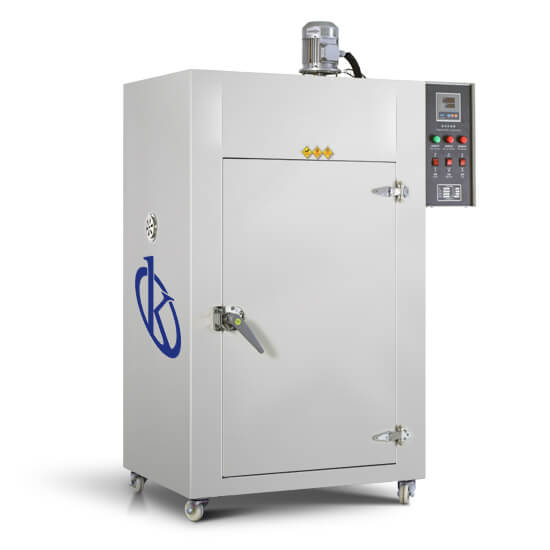
- Electric Heating Drying Stove YR05256 (A): This model provides intelligent temperature control through a microcomputer with a digital display. It is designed for uniform heat flow, making it suitable for drying products in industries such as electronics and metallurgy.
- Electric Heating Drying Stove YR05257-1 (A): Known for its double-layer door, this model enhances thermal insulation, allowing for effective heating. It is well-suited for extended operations and is widely used in the electroplating and electronic industries.
- Electric Heating Drying Stove YR05258 (SS): This stainless steel model offers similar features to the YR05256, with an emphasis on durability and ease of cleaning, making it ideal for sensitive laboratory environments.
- Electric Heating Drying Stove YR05259-1 (SS): Like the YR05257-1, this model features double-layer doors and is tailored for heavy-duty use in laboratories requiring dependable drying solutions.
Benefits of LIMS Integration with Industrial Ovens
Integrating industrial ovens with LIMS can enhance data management and operational efficiency. The benefits include:
- Improved Data Accuracy: Real-time data capture from the oven can be automatically logged into the LIMS, reducing human error in data entry.
- Traceability: Integration allows for comprehensive tracking of oven parameters related to specific batches, ensuring compliance with standards.
- Enhanced Workflow Efficiency: Automated data exchange between the oven and LIMS minimizes manual intervention, allowing lab personnel to focus on critical tasks.
How to Achieve Seamless Integration
Achieving a successful integration between industrial ovens and LIMS requires a structured approach:
- Identify Connectivity Protocols: Determine the communication protocols supported by the industrial ovens (e.g., RS232, Ethernet) and ensure LIMS can accommodate these.
- Data Mapping: Identify the specific data points (temperature, time, etc.) that will be transferred from the oven to the LIMS and define how they will be represented in the LIMS database.
- Testing and Validation: Conduct comprehensive testing to ensure the data transmission is accurate and reliable under various operational scenarios.
Comparison of Available Models
| Model | Temperature Range (℃) | Chamber Material | Power (kW) | Best For |
|---|---|---|---|---|
| YR05256-A | RT+5 to 250 | Zinc | 4-6 | Electronics, batch production |
| YR05257-1-A | RT+5 to 250 | Zinc | 8-12 | Heavy-duty drying |
| YR05258-SS | RT+5 to 250 | Stainless Steel | 4-6 | Laboratory environments |
| YR05259-1-SS | RT+5 to 250 | Stainless Steel | 8-12 | Industrial applications |
Common Mistakes and How to Avoid Them
When integrating industrial ovens with LIMS, there are common pitfalls to be aware of:
- Neglecting Calibration: Always ensure that the temperature settings and sensors are calibrated correctly before integration to avoid data discrepancies.
- Lack of Staff Training: Ensure that all laboratory personnel are adequately trained in using both the ovens and LIMS to maximize the benefits of the integration.
- Ignoring Regulatory Compliance: Maintain adherence to industry standards (such as ISO 17025) during integration to ensure that all processes remain compliant.
Frequently Asked Questions
How can LIMS integration improve data management with industrial ovens?
LIMS integration can significantly enhance data management by automating data capture from industrial ovens, such as the YR05256-A, ensuring real-time logging of temperature and time parameters crucial for maintaining compliance and accuracy.
What are the key features to look for in industrial ovens for LIMS compatibility?
When selecting industrial ovens like the YR05257-1-A, look for features such as digital temperature control, connectivity options, and data logging capabilities to ensure compatibility with LIMS systems.
What protocols should be supported for integrating industrial ovens with LIMS?
Protocols such as RS232, Ethernet, and Modbus should be supported for effective communication between industrial ovens and LIMS, ensuring smooth data transfer and integration.
How often should calibration be performed for industrial ovens in LIMS?
Calibration for industrial ovens like the YR05258-SS should be performed at least annually or as per manufacturer guidelines to maintain accuracy and compliance, ensuring reliable data for LIMS integration.
What are the benefits of using stainless steel models in laboratories?
Models like the YR05258-SS offer durability and ease of cleaning, making them ideal for laboratory environments where hygiene and material integrity are critical for compliance with LIMS.
How does traceability work in LIMS integrated industrial ovens?
Traceability in LIMS integrated industrial ovens involves tracking parameters like temperature and time for each batch, ensuring that data can be traced back for compliance audits and quality assurance.
What impact does data integration have on operational efficiency?
Data integration from industrial ovens into LIMS, as seen with models like the YR05259-1-SS, reduces manual data entry, minimizes errors, and increases overall operational efficiency by streamlining workflows.
How can I ensure compliance with industry standards when using industrial ovens?
To ensure compliance with standards such as ISO 17025, maintain accurate documentation and use ovens like the YR05257-1-A that offer features supporting traceability and data integrity in LIMS.
For those interested in advancing their laboratory capabilities, requesting a quote on Kalstein Plus is a wise step forward.
If you are looking for a fusion of innovation and quality, you have come to the right place. At Kalstein, we offer you the luxury of exploring our exclusive catalog of laboratory equipment. We manufacture every device to the highest standards of excellence. Our intuitive and seamless online purchasing channels are designed for your convenience, securing the most competitive prices. Hesitate no longer — we bring science to life, it is time to become part of our community.