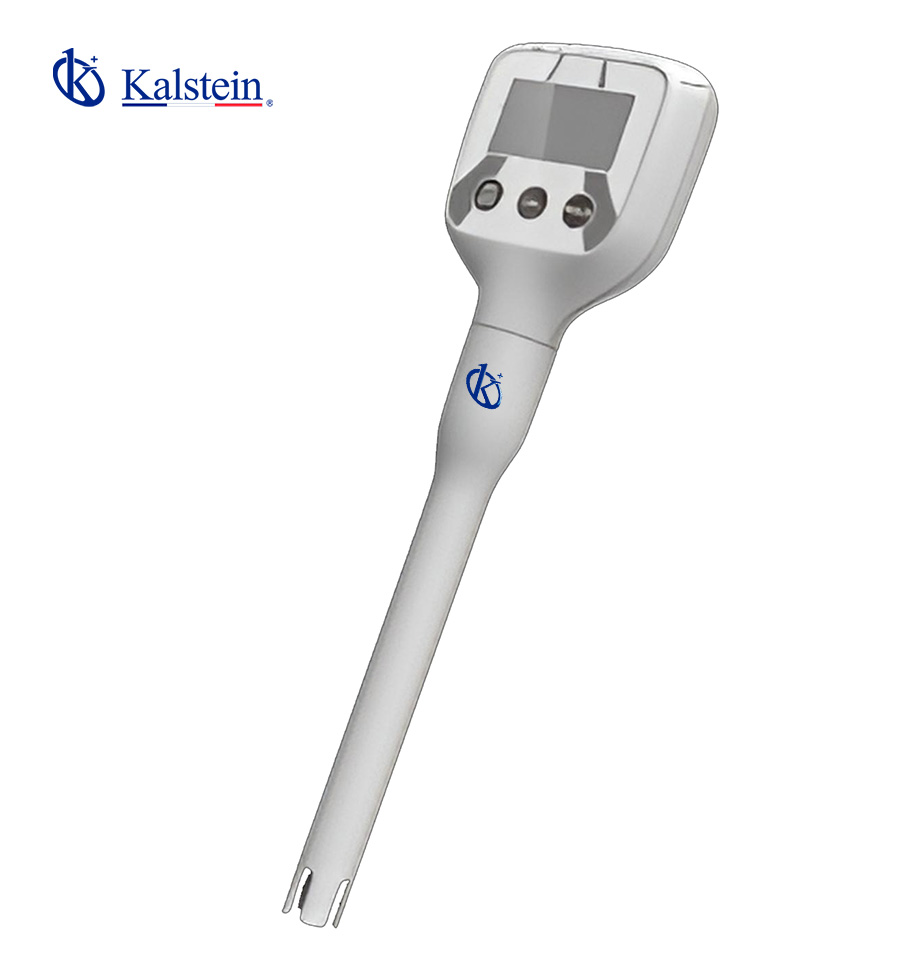
How to integrate portable conductivity meters with LIMS for data streamlining?
In today’s fast-paced laboratory environments, efficient data management is crucial for maintaining workflow effectiveness. Portable conductivity meters have become integral tools for measuring ion concentration and overall water quality in various applications. Integrating these instruments with Laboratory Information Management Systems (LIMS) can significantly enhance data handling capabilities and streamline laboratory processes. This article delves into the importance of LIMS integration and the performance of various portable conductivity meter models in achieving effective data management.
Understanding Portable Conductivity Meters
Portable conductivity meters allow laboratory professionals to measure the electrical conductivity of solutions, providing vital insights into their ionic content. These instruments are designed for convenience and accuracy, making them ideal for fieldwork and routine laboratory use. The integration with LIMS not only helps in automatic data capturing but also supports compliance with regulatory standards and improves data accessibility for analysis.
Benefits of Integrating Portable Conductivity Meters with LIMS
Integrating portable conductivity meters with LIMS presents numerous benefits, including:
- Real-time data entry: Automatic recording of measurements reduces human error.
- Enhanced reporting: Data can be quickly compiled and analyzed for compliance and quality assurance.
- Improved traceability: Each measurement is documented within a centralized system, facilitating audits and regulatory compliance.
- Time efficiency: Streamlined data workflows allow laboratory personnel to focus more on analysis rather than data management.
Key Connectivity Protocols for Integration
When integrating portable conductivity meters with LIMS, choosing the right connectivity protocols is paramount. Commonly used protocols include:
- ASTM: Ensures compatibility with standard laboratory practices.
- HL7: Facilitates the exchange of health information, suitable for clinical environments.
- REST APIs: Allow for flexible and efficient data sharing between devices and systems.
Comparison of Available Models
| Model | Measurement Range | Resolution | Price (USD) | Best for |
|---|---|---|---|---|
| YR01805 | 0–10 mS/cm | 0.01 mS/cm | 24.00 | Field applications |
| YR01806 | 0.00–1999 mS/cm | 0.01/0.1/1 µS/cm | 149.00 | Comprehensive laboratory analysis |
| YR01808 | 0–20.00 mS/cm | 0.01 mS/cm | 59.00 | Multi-range testing |
| YR01809 | 0–20.00 mS/cm | 0.01 mS/cm | 62.00 | Versatile multiparameter use |
| YR01810 | 0-20.00 mS/cm | 0.01 mS/cm | 65.00 | Salinity and TDS measurements |
| YR01811 | 0.5–100 ppm | 0.1 ppm | 50.00 | Low concentration solutions |
Common mistakes and how to avoid them
When integrating portable conductivity meters with LIMS, laboratory professionals often encounter several pitfalls. Some common mistakes include:
- Inadequate training: Ensure all personnel are trained on both the meter and LIMS functionalities.
- Ignoring calibration protocols: Regularly calibrate devices like the YR01806 to maintain accuracy.
- Poor data management: Establish protocols for data entry and validation to enhance reliability.
Optimizing Data Management Workflows
Streamlining data management workflows requires strategic planning. Consider adopting a centralized database to consolidate data captured from portable conductivity meters such as the YR01805 and using integration tools that allow seamless data transfer to the LIMS. Workflows should be designed to include regular audits and assessments of data quality to ensure compliance with industry standards.
Future Trends in Portable Conductivity Measurement
As technology evolves, the integration of portable conductivity meters with LIMS will likely become more sophisticated. Expect advancements in connectivity through wireless communications, enhancing remote data collection capabilities. Additionally, artificial intelligence may play a role in predictive analytics, allowing for more informed decision-making based on conductivity data.
Frequently asked questions
How can I ensure my portable conductivity meter complies with LIMS integration standards?
You can ensure compliance by selecting a model like the YR01806, which supports various connectivity protocols such as ASTM and HL7, ensuring it meets industry standards for data integration with LIMS.
What are the best practices for calibrating portable conductivity meters for LIMS data integration?
Best practices include using certified calibration solutions, calibrating models like the YR01805 regularly, and documenting calibration procedures within your LIMS to maintain traceability and compliance.
How does the accuracy of portable conductivity meters impact laboratory results in LIMS environments?
The accuracy of portable conductivity meters, such as the YR01806, directly affects data integrity. High accuracy ensures reliable data entry into LIMS, crucial for compliance and quality control in laboratory results.
Which portable conductivity meter is best for field use while integrating with LIMS?
The YR01805 is an excellent choice for field use due to its compact size and waterproof design, making it easy to integrate with LIMS for effective data management in various environments.
What connectivity protocols should I consider for integrating portable conductivity meters with LIMS?
Consider protocols like ASTM and REST APIs for integrating portable conductivity meters such as the YR01810 with LIMS, enhancing data sharing and compatibility across systems.
How do I troubleshoot data transfer issues between my conductivity meter and LIMS?
To troubleshoot issues, ensure that the conductivity meter is properly calibrated and that the communication settings match those required by your LIMS. Models like the YR01806 provide diagnostic tools to assist in resolving such issues.
What role does training play in successful LIMS integration with portable conductivity meters?
Training is critical as it ensures laboratory personnel are proficient in using both the conductivity meters and the LIMS, maximizing the benefits of integration for accurate and efficient data management.
How can I maximize efficiency when using portable conductivity meters in a LIMS environment?
Maximize efficiency by implementing automated data entry for models like the YR01806, establishing clear protocols for data management, and regularly reviewing performance metrics to identify areas for improvement.
If you are looking for a fusion of innovation and quality, you have come to the right place. At Kalstein, we offer you the luxury of exploring our exclusive catalog of laboratory equipment. We manufacture every device to the highest standards of excellence. Our intuitive and seamless online purchasing channels are designed for your convenience, securing the most competitive prices. Hesitate no longer — we bring science to life, it is time to become part of our community.