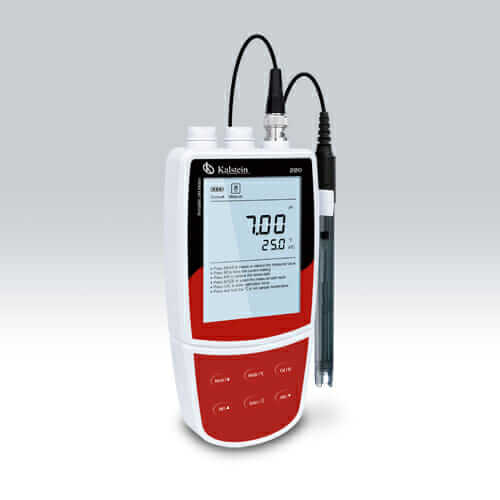
How to Integrate Table pH Meters with LIMS for Data Digitalization
In today's fast-paced laboratory environment, integrating table pH meters with Laboratory Information Management Systems (LIMS) has become essential for enhancing data workflows and overall laboratory efficiency. This article explores the various models of table pH meters, their capabilities, and how they can be effectively integrated with LIMS for data digitalization.
Understanding Integration with LIMS
Integrating table pH meters with LIMS allows for the automatic transfer of data, reducing the need for manual entries and minimizing errors. Various connectivity options like USB, Bluetooth, and Wi-Fi can help achieve seamless integration. A well-structured LIMS can facilitate real-time monitoring, storage, and retrieval of measurement data, ensuring data integrity and compliance with relevant standards.
Advantages of Digitalization in Laboratory Workflows
Digitalizing laboratory workflows by integrating pH meters with LIMS can significantly improve operational efficiency. Automation reduces the time spent on data entry and increases accuracy, allowing scientists to focus on analysis and experimentation. Furthermore, it enables better data management and traceability, which are crucial for compliance with regulations such as ISO 17025.
Comparison of Available Models
| Model | pH Range | Resolution | Calibration Points | Best for |
|---|---|---|---|---|
| YR0220A | -2.00~20.00 pH | 0.01 pH | 1 to 5 points | General laboratory use |
| YR01822 | -2.00~20.00 pH | ±0.02 pH | 1 to 3 points | Advanced data logging |
| YR01825 | -2.00~20.00 pH | 0.01/0.001 pH | 1 to 3 points | Precision measurement |
| YR01823-2 | -2.00~20.00 pH | 0.001 pH | 1 to 5 points | High-accuracy scenarios |
| YR01823 | -2.00~20.00 pH | 0.01/0.1 pH | 1 to 3 points | User-friendly operation |
| YR01826 | -2.00~19.999 pH | 0.1/0.01 pH | 1 to 3 points | Remote monitoring |
Common Mistakes and How to Avoid Them
When integrating table pH meters with LIMS, common mistakes include overlooking calibration requirements and not establishing robust data validation processes. It is crucial to ensure that the pH meter is calibrated regularly according to the manufacturer's guidelines, typically requiring one to three calibration points for accuracy. Additionally, avoid hardcoding protocols into the LIMS; instead, opt for flexible configurations to adapt to changing standards.
Connectivity Protocols for LIMS Integration
Table pH meters can utilize various connectivity protocols for integration with LIMS. Common protocols include HL7 for health data, ASTM for laboratory data formats, and RESTful APIs for web services. The choice of protocol will largely depend on the existing infrastructure of the LIMS and the specific requirements of the laboratory.
Data Management and Traceability in Laboratories
Effective data management and traceability are critical in laboratory environments, especially for compliance with ISO 17025. By integrating table pH meters with LIMS, laboratories can ensure that all measurements are logged automatically, complete with timestamps, user identification, and calibration status. This level of detail helps maintain traceability and supports audits and inspections.
Best Practices for Implementing LIMS Integration
To successfully implement LIMS integration with table pH meters, consider the following best practices: start with a clear integration plan that outlines objectives and scope; choose compatible equipment and protocols; invest in training for staff to ensure they understand both the technology and compliance requirements; and continuously monitor and refine the integration process based on feedback and performance metrics.
Frequently Asked Questions
How can I ensure accurate measurements from a table pH meter integrated with LIMS?
To ensure accurate measurements, select models like YR0220A that offer automatic calibration features and regularly calibrate your equipment according to ISO 17025 standards. This will maintain data integrity and support compliance within your laboratory.
What are the best table pH meters for LIMS integration?
Models such as YR01825 and YR01826 are excellent for LIMS integration due to their advanced features like USB connectivity and automatic data logging. These capabilities enhance data transfer efficiency and streamline laboratory workflows.
Which integration protocol is most effective for table pH meters?
RESTful API is highly effective for integrating table pH meters with LIMS, as it allows for flexible data communication and real-time updates. This can significantly improve data accuracy and streamline laboratory processes.
How often should I calibrate my table pH meter for compliance?
Calibration should occur regularly, typically at least once a week, or more frequently if the model, such as YR01823, is used in variable conditions. This frequency helps maintain compliance with ISO 17025 and ensures accurate reporting.
What features should I look for in a table pH meter for digitalization?
Look for features such as automatic temperature compensation, data storage capacity, and connectivity options like Bluetooth or USB. Models like YR01822 provide these features, making them ideal for digitalization in labs.
How does LIMS integration improve laboratory efficiency with pH meters?
LIMS integration improves efficiency by automating data entry and ensuring real-time data availability. This reduces manual errors and allows scientists to focus more on analysis rather than paperwork, leveraging models like YR01825.
What are common challenges in integrating table pH meters with LIMS?
Common challenges include compatibility issues between devices and LIMS, as well as the need for staff training on new protocols. However, selecting compatible models like YR01826 can help mitigate these challenges.
How can I support data traceability with my table pH meter?
Using models like YR0220A, which log data automatically, can support data traceability. Ensure that every measurement is timestamped and linked to user credentials in your LIMS for a complete audit trail.
If you are looking for a fusion of innovation and quality, you have come to the right place. At Kalstein, we offer you the luxury of exploring our exclusive catalog of laboratory equipment. We manufacture every device to the highest standards of excellence. Our intuitive and seamless online purchasing channels are designed for your convenience, securing the most competitive prices. Hesitate no longer — we bring science to life, it is time to become part of our community.