How to Integrate Wine Refractometers with LIMS for Enhanced Data Flow
In the modern landscape of viticulture, the integration of wine refractometers with Laboratory Information Management Systems (LIMS) has become crucial for optimizing data handling and ensuring accuracy in wine analysis. This article delves into how laboratory professionals can effectively achieve this integration, thus enhancing their workflow, improving data accuracy, and meeting compliance standards.
Understanding Wine Refractometers
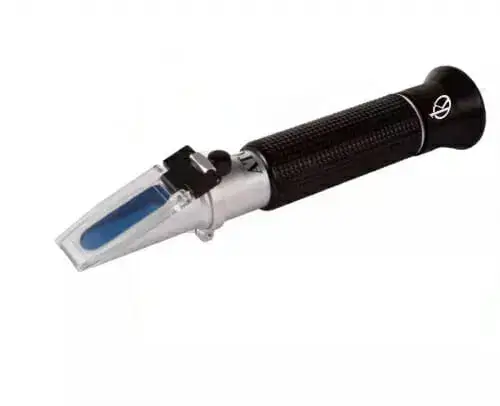
Wine refractometers are specialized instruments used to measure the sugar content in grape juice and wine, thus determining potential alcohol content. These devices not only provide quick and accurate readings but also facilitate the digitalization of data flow when integrated with LIMS. By utilizing multiple models available on the market, professionals can select devices that best meet their specific analytical needs and lab configurations.
Benefits of LIMS Integration in Wine Analytics
LIMS integration offers numerous benefits, including streamlined data collection, real-time monitoring, and improved record-keeping. By linking refractometers to a LIMS, laboratories can reduce manual data entry errors, automate reporting, and enhance overall productivity. Furthermore, this approach supports compliance with industry regulations, ensuring that accurate data is readily available for audits.
Compatible Wine Refractometer Models
Several models of wine refractometers are well-suited for LIMS integration, each offering unique features that cater to specific laboratory needs:
- Wine Refractometer YR05931: This model is designed for measuring alcohol content up to 80% v/v with an accuracy of ±1% v/v. It is ideal for quick assessments in field conditions.
- Wine Refractometer YR05932: This refractometer can measure both alcohol (0-25% Vol) and sugar (0-40% Brix) content. Its automatic temperature compensation (ATC) feature ensures accuracy across varying temperature conditions.
- Wine Refractometer YR05933: With a measurement range of 0-25% Vol and 0-170 °Oe, this model is suitable for detailed sugar analysis and is equipped with ATC for reliable results.
- Wine Refractometer YR05934: This refractometer measures Baume and Brix, making it versatile for various wine analysis tasks.
- Wine Refractometer YR05935: It features dual scale readings and is excellent for precise measurements, ideal for laboratories focusing on specific sugar content assessments.
- Wine Refractometer YR05936: Known for its robust design, this model is perfect for both laboratory and field use, providing quick readings with high accuracy.
Integration Strategies for LIMS
Integrating wine refractometers with LIMS requires careful planning and adherence to specific protocols. Here are some strategies to ensure a smooth integration:
1. Assess Compatibility
Ensure that the selected refractometer model is compatible with the LIMS software in use. Check for available APIs or data export formats that allow seamless data transfer.
2. Data Collection Protocols
Implement standardized data collection protocols to ensure that readings from refractometers are accurately captured and transmitted to the LIMS without errors.
3. Training and Support
Provide adequate training for laboratory staff on how to operate the refractometers and utilize LIMS for data management. Ongoing support is crucial for addressing any integration issues.
Comparison of Available Models
| Model | Measurement Range | Min. Division | Accuracy | ATC | Best for |
|---|---|---|---|---|---|
| YR05931 | 0-80% v/v | 1% v/v | ±1% v/v | No | Field assessments |
| YR05932 | 0-25% Vol, 0-40% Brix | 0.2% Vol, 0.2% Brix | ±0.2% Vol, ±0.2% Brix | Yes | General wine analysis |
| YR05933 | 0-25% Vol, 0-170 °Oe | 0.2% Vol, 1° Oe | ±0.2% Vol, ±1° Oe | Yes | Detailed sugar analysis |
| YR05934 | 0-20% Baume, 0-25% Vol | 0.2% Baume, 0.2% Vol | ±0.2% Baume | Yes | Versatile analysis |
| YR05935 | Measurement capabilities vary with model | Varies | Varies | Yes | Precise measurements |
| YR05936 | Measurement capabilities vary with model | Varies | Varies | Yes | Field and lab use |
Common Mistakes and How to Avoid Them
When integrating wine refractometers with LIMS, several common pitfalls can hinder success. Here are some mistakes to watch for and tips for avoiding them:
- Neglecting Calibration: Ensure regular calibration of refractometers to maintain accuracy. Failure to do so can lead to erroneous results and compromised data integrity.
- Inadequate Training: Providing thorough training for all users is essential. Ignoring this step can lead to operational inefficiencies and increased errors in data entry.
- Overlooking Compliance: Ensure that the integration adheres to relevant regulatory standards to avoid legal complications. Regular audits can help maintain compliance.
Frequently Asked Questions
What types of data can be integrated from wine refractometers into a LIMS?
Wine refractometers like the YR05932 can provide various data types, including alcohol content and sugar measurements. Integrating these readings into a LIMS facilitates streamlined record-keeping and accurate reporting, enhancing overall compliance and efficiency.
How can LIMS improve productivity in wine analysis labs?
LIMS can significantly improve productivity by automating data entry and reporting processes. For instance, when using models like YR05933, data can be directly uploaded to the LIMS, reducing manual tasks and minimizing the chances of errors.
What are the best practices for calibrating a wine refractometer?
Calibration is essential for accuracy. Models like the YR05934 should be calibrated using known standards, ideally before each significant analysis session, to ensure precise measurements are consistently achieved.
How does LIMS integration support compliance in wine testing labs?
Integrating refractometers with LIMS aids in compliance by ensuring all data is accurately recorded, traceable, and readily accessible for audits. This integration helps meet ISO standards, improving overall lab credibility.
What is the cost-effectiveness of using refractometers in a LIMS environment?
The initial investment in models such as YR05931 can lead to significant cost savings over time by reducing the manual labor associated with data entry and reporting. LIMS integration minimizes operational costs and enhances accuracy, making it a worthwhile investment.
How frequently should wine refractometers be maintained and calibrated?
It is recommended to calibrate and maintain wine refractometers like YR05936 before each use or at least monthly. Regular maintenance ensures consistent performance and accurate results in wine analysis.
What troubleshooting steps should be taken if data does not transfer from the refractometer to LIMS?
If data is not transferring, check the connectivity settings and compatibility of the refractometer with the LIMS. Ensure that the correct data format is being used, and consult the user manual for troubleshooting tips specific to your model.
How do I select the right wine refractometer for my lab's needs?
Selecting the right model, such as YR05932, involves assessing your specific analytical needs, including the required measurement range and necessary features like automatic temperature compensation. Consider the frequency of use and the type of analyses performed.
If you are looking for a fusion of innovation and quality, you have come to the right place. At Kalstein, we offer you the luxury of exploring our exclusive catalog of laboratory equipment. We manufacture every device to the highest standards of excellence. Our intuitive and seamless online purchasing channels are designed for your convenience, securing the most competitive prices. Hesitate no longer — we bring science to life, it is time to become part of our community.