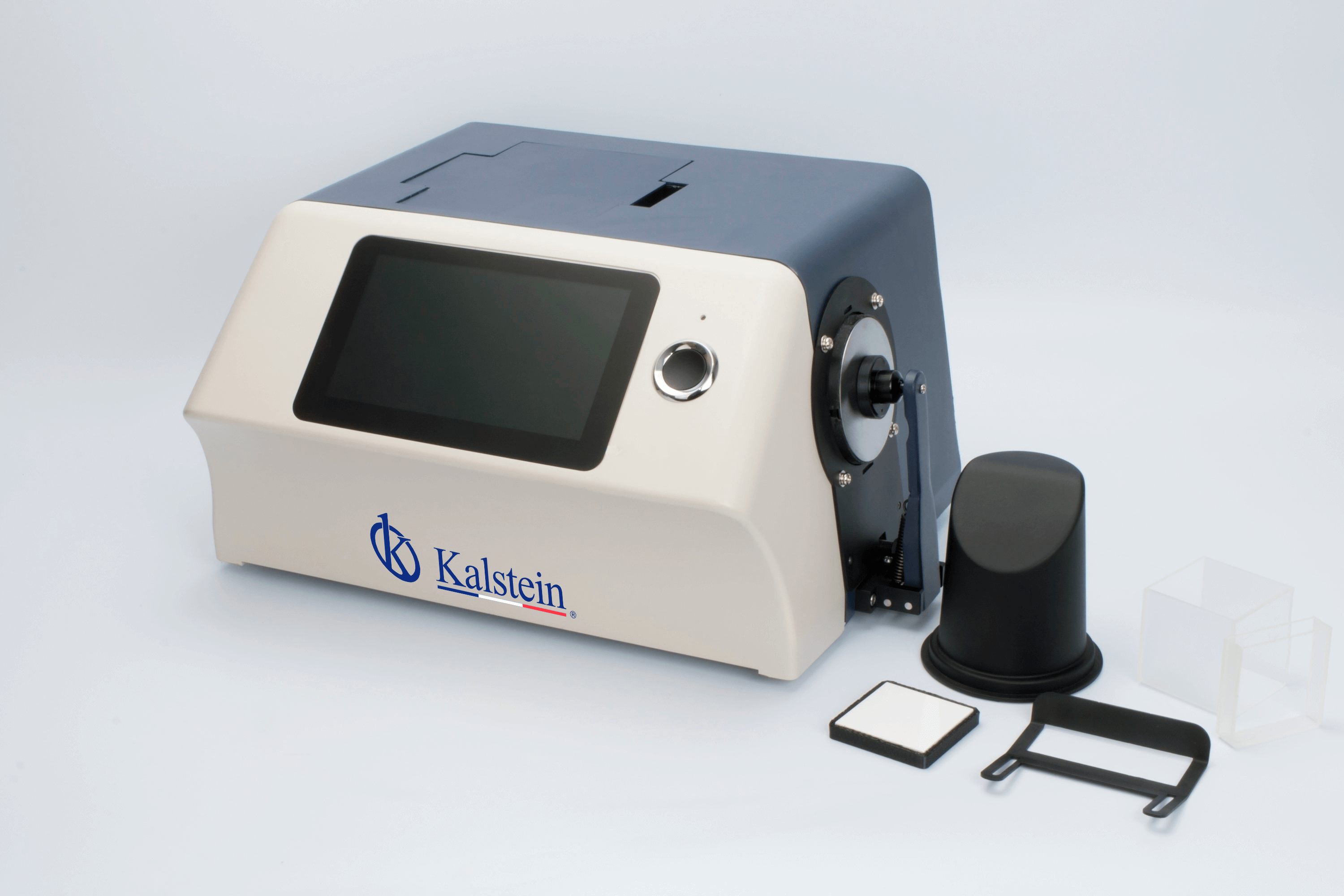
Integrating Benchtop Spectrophotometers with LIMS: A Modern Approach to Data Workflow
In the fast-evolving landscape of laboratory technology, the integration of benchtop spectrophotometers with Laboratory Information Management Systems (LIMS) has become pivotal. This integration not only streamlines data workflows but also enhances operational efficiency in analytical labs. As laboratories face increasing demands for accuracy and efficiency, understanding the nuances of this integration is essential.
Understanding Benchtop Spectrophotometers
Benchtop spectrophotometers are essential analytical tools used to measure the intensity of light at different wavelengths. These instruments are widely used in various applications, including color analysis in food and beverage, quality control in manufacturing, and even environmental monitoring. The recent advancements in technology have led to models that offer superior precision, efficiency, and user-friendliness.
Benefits of LIMS Integration
The integration between benchtop spectrophotometers and LIMS provides numerous advantages. It facilitates seamless data transfer between instruments and the management system, reducing manual entry errors and enhancing data integrity. Furthermore, this automation allows for real-time data collection and analysis, enabling laboratories to make quicker and more informed decisions.
Key Considerations for Integration
When integrating benchtop spectrophotometers with LIMS, several factors must be considered:
- Compatibility: Ensure that the spectrophotometer is compatible with the LIMS software in use. Some models may provide better integration options than others.
- Protocols Supported: Different LIMS solutions support various communication protocols. Check if your spectrophotometer can communicate via ASTM, HL7, or other relevant standards.
- Data Transfer Speed: Analyze the speed of data transfer to ensure it meets your laboratory's operational needs.
Comparison of Available Benchtop Spectrophotometer Models
| Model | Price (USD) | Best For | Data Integration Features | Supported Protocols |
|---|---|---|---|---|
| YR05474 | 6430.00 | Color analysis in R&D | High stability and extensive storage | ASTM, ISO |
| YR05475 | 4695.00 | Laboratory color analysis | Comprehensive software solutions | HL7, ASTM |
| YR05476 | 6430.00 | High precision measurements | Seamless data storage options | ISO 7724 |
| YR05477 | 4695.00 | Reflectance and transmittance analysis | Integrated software for data management | ISO, ASTM |
| YR05478 | 4445.00 | Color measurement in various industries | Real-time data analysis capabilities | ASTM E1164 |
| YR05482 | 4950.00 | Non-contact color measurements | Advanced connectivity features | HL7, ASTM |
Common Mistakes and How to Avoid Them
Integrating benchtop spectrophotometers with LIMS is not without challenges. Here are some common pitfalls and how to navigate them:
- Neglecting Training: Ensure that all laboratory personnel are adequately trained on both the spectrophotometer and the LIMS. A lack of understanding can lead to inefficiencies and errors.
- Failing to Validate Integration: Always validate the integration process to ensure data accuracy and reliability. This can be achieved through comprehensive testing and regular audits.
- Overlooking Data Security: With data flowing between systems, ensuring robust data security measures is crucial to prevent unauthorized access and data breaches.
Technological Advances in Spectrophotometers
The latest models of benchtop spectrophotometers, such as the YR05474 and YR05475, come equipped with advanced features including touch-screen interfaces, enhanced data storage, and improved software compatibility. These technological advancements not only facilitate easier use but also enhance the accuracy of measurements.
Case Studies of Successful Integrations
Several laboratories have successfully integrated benchtop spectrophotometers with LIMS, leading to improvements in workflow efficiency and data accuracy. For instance, one food processing lab implemented the YR05476 model alongside their LIMS and reported a 30% reduction in data processing time due to seamless data transfer.
Future Trends in LIMS Integration
Looking ahead, the trend towards automation in laboratory environments is likely to accelerate. The integration of artificial intelligence with LIMS and spectrophotometers is anticipated to enhance predictive analytics, enabling laboratories to anticipate equipment needs and maintenance schedules proactively.
Frequently Asked Questions
How does LIMS integration enhance the performance of benchtop spectrophotometers?
LIMS integration significantly enhances the performance of benchtop spectrophotometers like the YR05474 by enabling real-time data processing and reducing manual errors. This results in improved accuracy in color measurements and faster workflow efficiency.
What are the connectivity protocols supported by benchtop spectrophotometers?
Models such as YR05475 support various connectivity protocols including ASTM and HL7, making them suitable for integration with diverse LIMS systems, thereby facilitating seamless data management.
What are the key features to look for in a LIMS-integrated spectrophotometer?
When selecting a LIMS-integrated spectrophotometer, key features to consider include data transfer speed, compatibility with existing LIMS, and the extent of automation it offers. Models like YR05476 excel in these areas.
How can I ensure data accuracy with spectrophotometers connected to LIMS?
To ensure data accuracy when using spectrophotometers like the YR05477 connected to LIMS, implement rigorous validation procedures and frequent calibration checks to maintain consistent performance standards.
What challenges are faced during LIMS integration with spectrophotometers?
Challenges during LIMS integration with spectrophotometers can include compatibility issues, training deficiencies, and data security concerns. Proper planning and thorough training can mitigate these challenges significantly.
How often should I validate my LIMS integration with spectrophotometers?
It is recommended to validate your LIMS integration with spectrophotometers like the YR05478 at least once a month to ensure ongoing data integrity and system reliability.
What impact does LIMS integration have on laboratory productivity?
LIMS integration with spectrophotometers such as the YR05482 can lead to substantial increases in laboratory productivity by automating data collection and reducing the time spent on manual entry, thereby enhancing overall workflow efficiency.
How can I measure the ROI of integrating spectrophotometers with LIMS?
The ROI of integrating spectrophotometers like the YR05476 with LIMS can be measured by analyzing reductions in processing time, errors, and operational costs vs. the investment made in technology and training.
If you are looking for a fusion of innovation and quality, you have come to the right place. At Kalstein, we offer you the luxury of exploring our exclusive catalog of laboratory equipment. We manufacture every device to the highest standards of excellence. Our intuitive and seamless online purchasing channels are designed for your convenience, securing the most competitive prices. Hesitate no longer — we bring science to life, it is time to become part of our community.