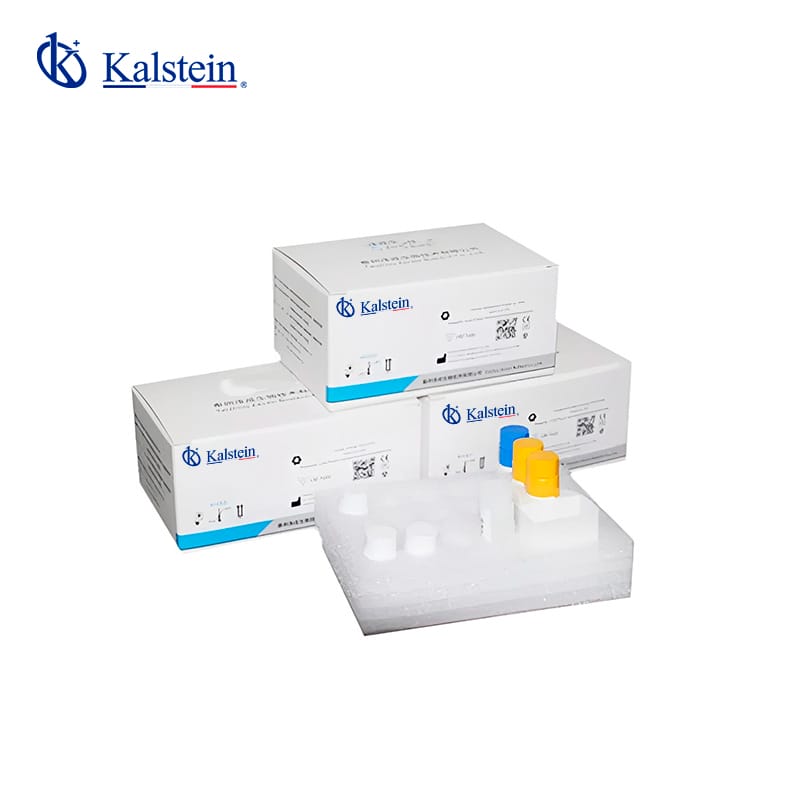
Integrating Chemiluminescence Reagents with LIMS for Enhanced Data Workflow
In the rapidly evolving landscape of laboratory operations, the integration of chemiluminescence reagents with Laboratory Information Management Systems (LIMS) has emerged as a pivotal factor for improving workflow efficiency and data accuracy. This article delves into the significance of LIMS integration, explores various chemiluminescence reagent models, and provides insights on optimizing laboratory data management.
The Importance of LIMS Integration in Laboratory Workflow
Laboratories are increasingly adopting digital solutions to manage their operations. Integrating chemiluminescence reagents with LIMS allows for seamless data management, which leads to enhanced accuracy in test results and improved turnaround times. By ensuring that reagent data is linked to the corresponding analytical processes in the LIMS, laboratories can achieve greater operational efficiency.
Comparison of Available Models
| Model | Test Parameters | Price (USD) | Best For |
|---|---|---|---|
| YRA279 | TSH, TT3, TT4, FT3, FT4, TFAb, TPOAb, TRAb | 15.00 | Thyroid Disease Testing |
| YRA280 | TSH, TT3, TT4, FT3, FT4, TFAb, TPOAb, TRAb | 15.00 | Thyroid Disease Testing |
| YRA281 | TSH, TT3, TT4, FT3, FT4, TFAb, TPOAb, TRAb | 15.00 | Thyroid Disease Testing |
| YRA282 | TSH, TT3, TT4, FT3, FT4, TFAb, TPOAb, TRAb | 15.00 | Thyroid Disease Testing |
| YRA283 | TSH, TT3, TT4, FT3, FT4, TFAb, TPOAb, TRAb | 15.00 | Thyroid Disease Testing |
| YRA284 | TSH, TT3, TT4, FT3, FT4, TFAb, TPOAb, TRAb | 35.00 | Thyroid Disease Testing |
Common Mistakes and How to Avoid Them
Laboratory professionals often encounter several pitfalls when integrating chemiluminescence reagents with LIMS. A common mistake is failing to align the data entry protocols between the reagent and the LIMS, which can lead to inconsistencies in test results. It's crucial to establish clear data entry guidelines and training for laboratory staff to ensure that test data is accurately recorded and linked to the appropriate reagent and procedure. Additionally, not validating the integration process can lead to significant errors; therefore, regular audits and system checks should be conducted.
Optimizing Workflow with Chemiluminescence Reagents
The use of chemiluminescence reagents in conjunction with LIMS facilitates real-time data acquisition and enhances overall laboratory productivity. By implementing systems that automate data logging and reporting, laboratories can minimize manual entry errors and speed up result dissemination. For instance, chemiluminescence reagents like YRA279 or YRA280 can be linked directly to LIMS workflows, ensuring that every test performed is recorded with the utmost precision, thereby improving the laboratory's compliance with ISO 17025 standards.
Data Management Protocols for Chemiluminescence Reagents
Establishing effective data management protocols is essential for any laboratory utilizing chemiluminescence reagents. This includes defining data formats, standard operating procedures (SOPs), and data governance policies to ensure data integrity. Laboratories should also integrate LIMS capabilities to facilitate automated reporting and data analysis, which can be particularly beneficial when handling large volumes of data generated by multiple reagent tests. This integration can help streamline the workflow, reduce time spent on data management, and allow for better resource allocation.
Enhancing Compliance with LIMS and Chemiluminescence Reagents
Compliance with relevant industry standards, such as ISO 17025 and ISO 13485, is critical for laboratories. Integrating LIMS with chemiluminescence reagents helps ensure compliance by providing traceability of results and maintaining accurate records of reagent usage and test outcomes. Each model, including YRA284, meets specific regulatory requirements by ensuring that data is captured and stored in accordance with established guidelines, thus minimizing the risk of non-compliance during audits.
Understanding Connectivity Protocols for LIMS Integration
To effectively integrate chemiluminescence reagents with LIMS, laboratories need to understand the connectivity protocols that facilitate data sharing. Popular protocols include HL7 and ASTM, which allow for smooth communication between the reagent analyzers and the LIMS. Laboratories should assess their current systems and ensure that their LIMS can support these protocols for optimal performance. This connectivity not only aids in data transfer but also enhances real-time data visibility, allowing for immediate decision-making based on the latest test results.
Future Trends in LIMS Integration and Chemiluminescence
The future of LIMS integration with chemiluminescence reagents is poised for significant advancements. Emerging technologies such as artificial intelligence and machine learning are expected to play a crucial role in enhancing data analysis and interpretation. As more laboratories adopt automated systems, the need for seamless integration will drive innovation in LIMS capabilities. Laboratories should stay informed about these technological advances to remain competitive and ensure that they are utilizing the latest tools for efficient laboratory management.
Frequently Asked Questions
How can I integrate chemiluminescence reagents with LIMS for better data flow?
Integrating chemiluminescence reagents like YRA279 with LIMS can be achieved by establishing standard data protocols and utilizing connectivity options such as HL7 or ASTM for seamless data exchange. This integration ensures that test results are automatically captured in the system, improving data accuracy and workflow efficiency.
What are the compliance benefits of using LIMS with chemiluminescence reagents?
By integrating LIMS with chemiluminescence reagents, laboratories can enhance compliance with standards such as ISO 17025. This integration allows for better traceability of test results, ensuring that all data is documented and retrievable for audits, thus minimizing the risk of non-compliance.
Which connectivity protocols are essential for LIMS integration with chemiluminescence reagents?
Essential connectivity protocols for integrating LIMS with chemiluminescence reagents include HL7 and ASTM. Adopting these protocols facilitates smooth data transfer between the reagent analyzers and the LIMS, ensuring real-time visibility of test results and operational efficiency.
How do chemiluminescence reagents improve laboratory workflow efficiency?
Chemiluminescence reagents, such as YRA280, significantly improve laboratory workflow efficiency by automating data collection and analysis. This automation reduces manual entry errors and accelerates the reporting process, allowing laboratories to achieve quicker turnaround times for test results.
How can I avoid common mistakes when integrating LIMS with chemiluminescence reagents?
To avoid common mistakes during LIMS integration with chemiluminescence reagents, laboratories should ensure that data entry protocols are clear and that staff are well-trained. Regular audits and validation of integration processes can also help identify and rectify errors before they impact laboratory operations.
What role do chemiluminescence reagents play in data management protocols?
Chemiluminescence reagents, like YRA284, play a critical role in data management protocols by providing accurate and consistent data that can be captured and stored within the LIMS. This integration ensures that test results are easily accessible and traceable, facilitating better data governance within the laboratory.
What are the future trends for LIMS and chemiluminescence reagents?
The future trends for LIMS and chemiluminescence reagents include advancements in artificial intelligence for data analysis, which will further enhance laboratory efficiency. As laboratories adopt more automated systems, the need for seamless integration will drive innovation in LIMS capabilities, improving overall laboratory management.
If you are looking for a fusion of innovation and quality, you have come to the right place. At Kalstein, we offer you the luxury of exploring our exclusive catalog of laboratory equipment. We manufacture every device to the highest standards of excellence. Our intuitive and seamless online purchasing channels are designed for your convenience, securing the most competitive prices. Hesitate no longer — we bring science to life, it is time to become part of our community.