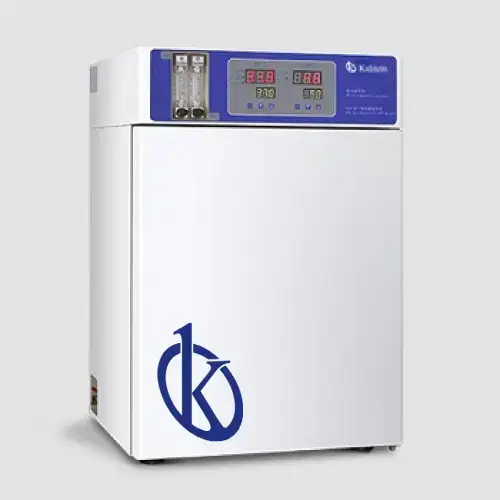
Integrating CO₂ Incubators with LIMS: Enhancing Data Workflow in Laboratories
The adoption of Laboratory Information Management Systems (LIMS) has transformed how laboratories manage and organize data. One crucial component in many labs is the CO₂ incubator, essential for cell culture and microbiological research. This article delves into the integration of CO₂ incubators with LIMS, examining the benefits, technical aspects, and specific models available in the market.
Understanding CO₂ Incubators in the Context of LIMS Integration
CO₂ incubators play a pivotal role in creating a controlled environment for the growth of biological samples. With the transition to digital workflows in laboratories, integrating these devices with LIMS becomes essential. This integration allows laboratories to streamline data collection, enhance compliance with regulatory standards, and improve overall research productivity.
Benefits of Integrating CO₂ Incubators with LIMS
Integrating CO₂ incubators with LIMS offers numerous advantages. First, it facilitates real-time data acquisition, which is vital for monitoring environmental conditions such as temperature and CO₂ levels. Second, it enhances traceability, ensuring that all data related to experiments are logged accurately, thus aiding in compliance with regulations like ISO 17025. Third, it reduces manual data entry, minimizing errors and saving time.
Technical Aspects of LIMS Integration with CO₂ Incubators
Integrating CO₂ incubators with LIMS involves several technical considerations. Laboratories must ensure that the incubators can communicate with the LIMS through standard protocols such as HL7 or REST APIs. This connectivity allows for bi-directional data flow, where the incubator can send operational data to the LIMS, and the LIMS can control incubator settings remotely.
Key Features to Look for in CO₂ Incubators for LIMS Integration
When selecting a CO₂ incubator for LIMS integration, it is essential to consider features such as data logging capabilities, connectivity options, and ease of integration. Look for incubators equipped with advanced microprocessor controls and reliable sensors for CO₂ and temperature management. Additionally, ensure that the incubator can provide API access for seamless communication with your chosen LIMS.
Comparison of Available Models
| Model | Temperature Range (℃) | CO₂ Control Range (%) | Integration Effort | Best For |
|---|---|---|---|---|
| YR02048 | RT + 5 ~ 60 | 0 ~ 20% | Moderate | Cell culture, tissue engineering |
| YR02049 | RT + 5 ~ 60 | 0 ~ 20% | Moderate | Microbial research, agricultural science |
| YR02049-1 | RT+5 ~ 55 | 0 ~ 20% | High | Pathology, life sciences |
Common Mistakes and How to Avoid Them
One common mistake when integrating CO₂ incubators with LIMS is underestimating the technical requirements needed for seamless communication. Ensure that your laboratory has the necessary IT infrastructure and skilled personnel to facilitate this integration. Another mistake is neglecting to validate the connection between the incubator and the LIMS, which is crucial for maintaining data integrity.
Frequently Asked Questions
How can I ensure my CO₂ incubator is compatible with my LIMS system?
To ensure compatibility between your CO₂ incubator and LIMS system, check for available APIs or communication protocols supported by the incubator, such as HL7 or REST. For instance, models like YR02049-1 feature advanced connectivity options that facilitate smooth integration.
What are the data logging capabilities of CO₂ incubators like YR02048?
The CO₂ incubator YR02048 offers extensive data logging capabilities, saving critical parameters such as temperature and CO₂ levels. This data can be directly sent to your LIMS, ensuring compliance and traceability in your experiments.
Which CO₂ incubator models are best suited for cellular research with LIMS integration?
Models like YR02048 and YR02049 are ideal for cellular research due to their precise control features and ability to integrate seamlessly with LIMS, enhancing data management and research efficiency.
What are the benefits of using the YR02049-1 model in a digital laboratory?
The YR02049-1 model provides superior temperature uniformity and rapid recovery times, making it an excellent choice for digital laboratories. Its advanced features facilitate better integration with LIMS, enhancing overall workflow efficiency.
How does LIMS integration improve compliance with ISO 17025 standards?
LIMS integration with CO₂ incubators helps maintain accurate records of environmental conditions and experiment parameters, which are essential for compliance with ISO 17025 standards. This integration streamlines data tracking and reporting processes.
What should I consider when selecting a CO₂ incubator for my laboratory?
When selecting a CO₂ incubator, consider factors such as temperature range, CO₂ control, integration capability with LIMS, and your specific research needs. Models like YR02049 provide comprehensive features suited for various applications.
How does CO₂ incubator integration with LIMS reduce errors in laboratory workflows?
Integrating CO₂ incubators with LIMS minimizes manual data entry, significantly reducing human errors in data collection. This integration enhances data accuracy and reliability, particularly in critical research scenarios.
What is the integration effort required for the YR02049 model with LIMS?
The integration effort for the YR02049 model is moderate, requiring some IT infrastructure and personnel training for optimal connectivity with LIMS. Proper setup ensures efficient data management and compliance.
If you are looking for a fusion of innovation and quality, you have come to the right place. At Kalstein, we offer you the luxury of exploring our exclusive catalog of laboratory equipment. We manufacture every device to the highest standards of excellence. Our intuitive and seamless online purchasing channels are designed for your convenience, securing the most competitive prices. Hesitate no longer — we bring science to life, it is time to become part of our community.