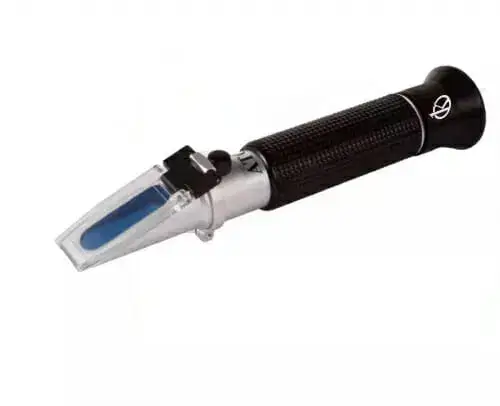
Integrating Digital Clinical Refractometers with LIMS for Data Workflow Optimization
In modern laboratories, the integration of Digital Clinical Refractometers with Laboratory Information Management Systems (LIMS) is becoming essential for optimizing data workflows. This integration allows for streamlined processes, improved accuracy, and enhanced efficiency. This article delves into how various models of digital clinical refractometers can support LIMS integration and facilitate data management in clinical settings.
Understanding Digital Clinical Refractometers and LIMS
Digital clinical refractometers serve as vital instruments in laboratories, especially in clinical and veterinary practices. They provide precise measurements of urine specific gravity, serum protein concentrations, and refractive index. By integrating these devices with LIMS, laboratories can automate data collection, ensure traceability, and bolster compliance with regulatory standards.
Comparison of Available Models
| Model | Measuring Range | Accuracy | Best for |
|---|---|---|---|
| YR05915 | 0-12 g/dl, 1.000-1.050 sg, 1.3300-1.3600 RI | ±0.2 g/dl, ±0.001 SG, ±0.001 RI | Veterinary and human applications |
| YR05966 | 1.000-1.050 SG | ±0.002 | Animal care and human serum |
| YR05967 | 0-12.1 g/dl | ±0.2 | Veterinary and clinical testing |
| YR05968 | 1.3330-1.3900 nD | ±0.0003 nD | Research and refining processes |
Benefits of LIMS Integration for Digital Clinical Refractometers
The integration of digital clinical refractometers with LIMS offers numerous benefits including enhanced data integrity, reduction in human error, and improved regulatory compliance. By automating data entry processes, these systems reduce the workload on laboratory personnel, allowing them to focus on more critical tasks. Additionally, LIMS provides a centralized database that improves data analysis and retrieval, essential for quality assurance and clinical decision-making.
Key Features to Consider for LIMS Integration
When selecting a digital clinical refractometer for LIMS integration, certain features should be prioritized:
- Connectivity: Ensure that the refractometer supports standard protocols like ASTM or HL7 for seamless data transfer.
- Automation: Look for models that offer automatic temperature compensation (ATC) and can directly feed data into the LIMS.
- Data Integrity: The device should have capabilities for error detection and validation to maintain high data quality.
Common Mistakes and How to Avoid Them
Many laboratories encounter challenges when integrating digital clinical refractometers with LIMS. Common mistakes include:
- Choosing models without adequate connectivity options.
- Neglecting staff training on new systems.
- Underestimating the importance of data validation processes.
To avoid these pitfalls, ensure proper training is provided and select models that are user-friendly and compatible with existing LIMS solutions.
Implementation Steps for LIMS Integration
Integrating a digital clinical refractometer with LIMS involves several critical steps:
- Assess Compatibility: Review the specifications of the refractometer to ensure it meets connectivity requirements.
- Plan Data Architecture: Design the data flow from the refractometer to the LIMS, ensuring all necessary data points are captured.
- Conduct Testing: Run pilot tests to verify that data is accurately captured and reported in the LIMS.
- Provide Training: Train laboratory staff on using the integrated systems effectively.
FAQs
How does LIMS integration enhance the functionality of digital clinical refractometers?
LIMS integration enhances digital clinical refractometers by automating data collection and ensuring data accuracy. For example, the YR05915 model, designed for both veterinary and human use, can automatically transfer results to a LIMS, reducing manual data entry errors and improving workflow efficiency.
Which digital clinical refractometer is best for veterinary applications with LIMS?
The YR05966 model is particularly suited for veterinary applications due to its ability to measure serum protein concentrations and urine specific gravity. Its automatic temperature compensation feature ensures data accuracy when integrated with LIMS.
What are the connectivity protocols supported by digital clinical refractometers?
Most digital clinical refractometers, like the YR05968, support standard connectivity protocols such as ASTM and HL7, which facilitate seamless integration with LIMS, allowing for efficient data transfer and management.
How can laboratories ensure data accuracy when integrating digital refractometers with LIMS?
To ensure data accuracy, laboratories should choose refractometers with built-in automatic temperature compensation like the YR05915. This model helps maintain accurate readings regardless of environmental conditions, which is crucial when connected to LIMS.
What are the best practices for training staff on LIMS and digital refractometer integration?
Best practices include providing hands-on training sessions, creating user manuals specific to the refractometer model like the YR05966, and conducting regular refresher courses to ensure staff stays updated on any software or procedural changes.
How to troubleshoot common issues during LIMS integration with refractometers?
Common issues can often be resolved by checking connectivity settings, ensuring all software is up-to-date, and verifying that data entry protocols align with the LIMS system. Regular maintenance of models like YR05967 can also help avoid data discrepancies.
What factors influence the choice of a digital clinical refractometer for LIMS integration?
Factors include the refractometer's measurement range, accuracy, support for automatic temperature compensation, and compatibility with existing laboratory systems. Models like YR05968 are known for their precision and reliability in clinical settings.
If you are looking for a fusion of innovation and quality, you have come to the right place. At Kalstein, we offer you the luxury of exploring our exclusive catalog of laboratory equipment. We manufacture every device to the highest standards of excellence. Our intuitive and seamless online purchasing channels are designed for your convenience, securing the most competitive prices. Hesitate no longer — we bring science to life, it is time to become part of our community.