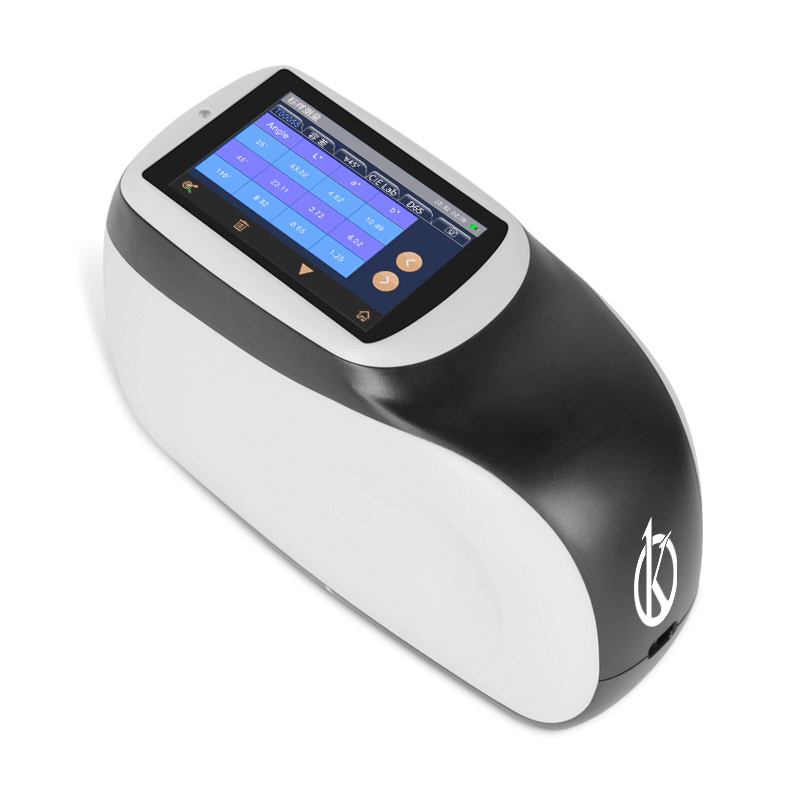
Integrating Multi Angle Spectrophotometers with LIMS: Enhancing Data Flow in Laboratories
In the modern laboratory environment, efficiency and accuracy are paramount. Multi Angle Spectrophotometers have emerged as crucial tools for color measurement and analysis. However, the true potential of these instruments can be unlocked through integration with Laboratory Information Management Systems (LIMS). This integration facilitates seamless data flow, enhances operational efficiency, and ensures compliance with industry standards.
Understanding Multi Angle Spectrophotometers
Multi Angle Spectrophotometers are advanced instruments designed to measure color and light reflectance from various surfaces at multiple angles. These devices are essential in industries where color quality is critical, such as coatings, plastics, and textiles. By measuring color at different angles, they provide a comprehensive view of the color properties of a material, accounting for surface variations and imperfections.
Why Integrate with LIMS?
Integrating Multi Angle Spectrophotometers with LIMS offers numerous advantages:
- Automation: Streamlines data entry and reduces human error.
- Real-time data access: Allows immediate analysis and reporting.
- Regulatory compliance: Easily meets standards such as ISO 17025.
- Improved data management: Centralizes and organizes data for easier access.
Key Models of Multi Angle Spectrophotometers
Here, we will compare several models of Multi Angle Spectrophotometers to highlight their features and suitability for integration with LIMS:
| Model | Description | Price (USD) | Best for |
|---|---|---|---|
| YR05491 | Multi Angle Spectrophotometer with 8 Angles, ideal for high precision color measurement. | 8730.00 | Measuring color differences in coatings. |
| YR05492 | Multi Angle Spectrophotometer with 12 Angles, providing superior performance. | 13492.00 | Advanced applications needing multiple angles. |
| YR05488 | Multi Angle Spectrophotometer with 3 Angles, suited for basic color measurements. | 2857.00 | Small batch color testing. |
| YR05489 | Multi Angle Spectrophotometer with 5 Angles, balancing cost and performance. | 4762.00 | General color analysis. |
| YR05490 | Multi Angle Spectrophotometer with 3 Angles, good for entry-level applications. | 6032.00 | Simple color measurement tasks. |
Common Mistakes and How to Avoid Them
When integrating Multi Angle Spectrophotometers with LIMS, several common pitfalls can arise:
- Neglecting Data Mapping: Ensure all data fields are correctly mapped between the spectrophotometer and LIMS.
- Ignoring User Training: Proper training is essential for maximizing the use of both systems.
- Underestimating Maintenance: Regular calibration and maintenance of spectrophotometers are crucial for maintaining accuracy.
How LIMS Integration Improves Data Accuracy
Integrating Multi Angle Spectrophotometers with LIMS significantly improves data accuracy. Real-time data capture eliminates transcription errors and ensures that color measurements are recorded instantly. For instance, using the YR05491 model, laboratories can achieve compliance with ASTM D 2244 standards while maintaining precise records of color measurements.
Connectivity Protocols for Integration
Successful integration of Multi Angle Spectrophotometers with LIMS relies on effective connectivity protocols. Common protocols include:
- ASTM: Standard for testing and reporting.
- HL7: For health-related data exchange.
- REST APIs: Facilitating flexible data sharing across platforms.
Data Management and Compliance
Adhering to compliance standards such as ISO 17025 requires robust data management practices. Integration with LIMS helps maintain traceability and ensures that all analytical data from models like YR05492 is easily retrievable for audits and quality checks, thereby streamlining compliance processes.
Frequently Asked Questions
How can I ensure my Multi Angle Spectrophotometer meets ISO 17025 standards?
To ensure compliance with ISO 17025, calibrate your Multi Angle Spectrophotometer regularly, such as the YR05491, and maintain detailed records of all measurements and procedures. This practice not only supports compliance but enhances overall data integrity.
What are the benefits of integrating Multi Angle Spectrophotometers with LIMS?
Integrating Multi Angle Spectrophotometers like YR05492 with LIMS automates data capture, ensures real-time access to information, and improves traceability. This leads to increased operational efficiency and supports compliance with industry standards.
How do I choose the right model of Multi Angle Spectrophotometer for my laboratory needs?
When selecting a Multi Angle Spectrophotometer, consider your testing requirements, such as the YR05488 for basic measurements versus YR05492 for advanced applications. Assess factors like angle measurement capabilities and price to make an informed decision.
What are common challenges faced during LIMS integration with Multi Angle Spectrophotometers?
Common challenges include data mapping issues, lack of user training, and insufficient maintenance practices. To mitigate these, ensure clear protocols are established and provide ongoing training for laboratory staff.
How do connectivity protocols affect the integration of Multi Angle Spectrophotometers?
Connectivity protocols, such as ASTM and REST APIs, define how data is transferred between Multi Angle Spectrophotometers and LIMS. Choosing the right protocol is crucial for ensuring seamless integration and data accuracy.
What types of data are essential to capture during Multi Angle Spectrophotometer tests?
Essential data includes measurement values, instrument calibration records, and compliance documentation. By using a model like YR05489, laboratories can ensure comprehensive data capture for traceability and analysis.
How often should Multi Angle Spectrophotometers be calibrated for accurate results?
Calibration frequency depends on usage, but it is generally recommended to calibrate Multi Angle Spectrophotometers like the YR05490 at least once a month or before important analyses to ensure accuracy and reliability.
What role does LIMS play in data analysis for Multi Angle Spectrophotometers?
LIMS plays a critical role in aggregating and analyzing data from Multi Angle Spectrophotometers. It allows for efficient data retrieval, reporting, and compliance tracking, enhancing the laboratory's overall capabilities.
If you are looking for a fusion of innovation and quality, you have come to the right place. At Kalstein, we offer you the luxury of exploring our exclusive catalog of laboratory equipment. We manufacture every device to the highest standards of excellence. Our intuitive and seamless online purchasing channels are designed for your convenience, securing the most competitive prices. Hesitate no longer — we bring science to life, it is time to become part of our community.