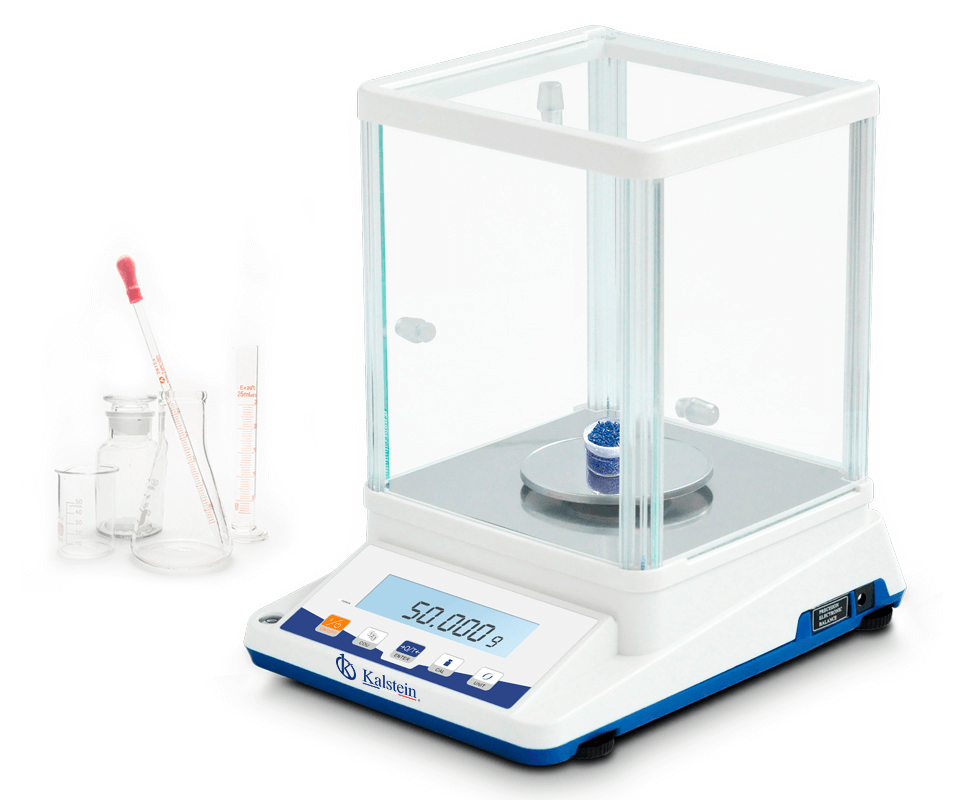
Integrating Precision Balances with LIMS: Optimizing Data Flow in Laboratories
The integration of precision balances with Laboratory Information Management Systems (LIMS) is becoming crucial in modern laboratories. This integration streamlines data management, enhances operational efficiency, and ensures compliance with regulatory standards. As laboratories endeavor to digitize their workflows, understanding how different models of precision balances fit into this digital landscape is essential. In this article, we will explore various models of precision balances, their functionalities, and how they can be effectively integrated with LIMS.
The Importance of LIMS Integration in Laboratories
Laboratories are increasingly reliant on digital solutions to manage the vast amounts of data generated daily. LIMS integration allows for seamless data flow between instruments and the management system, reducing human error and improving traceability. By connecting precision balances directly to LIMS, laboratories can automate data collection, enhance reporting capabilities, and ensure consistency in operations.
Exploring Precision Balances
Precision balances are essential tools in laboratories that require high accuracy in measurements. They play a critical role in various applications, from pharmaceutical research to food testing. Here we will examine several models of precision balances that are ideal for LIMS integration.
Model Overview
The following models of precision balances will be discussed in detail, focusing on their features, benefits, and suitability for integration with LIMS:
- Precision Balance YR05584
- Precision Balance YR05585
- Precision Balance YR05586
- Precision Balance YR05587
- Precision Balance YR05588
- Precision Balance YR05589
Comparison of Available Models
| Model | Capacity (g) | Readability (g) | Integration Compatibility | Best Use Scenario |
|---|---|---|---|---|
| YR05584 | 110 | 0.001 | Ethernet, USB | Pharmaceuticals |
| YR05585 | 210 | 0.001 | Ethernet, USB | Food Testing |
| YR05586 | 310 | 0.001 | Ethernet, USB | Research Labs |
| YR05587 | 610 | 0.001 | Ethernet, USB | Material Testing |
| YR05588 | 210 | 0.01 | Wireless | Field Applications |
| YR05589 | 310 | 0.01 | Wireless | Industrial Testing |
Understanding LIMS Integration for Precision Balances
Integrating precision balances with LIMS involves several key considerations including data connectivity, compatibility with existing systems, and user interface design. Protocols such as HL7 and ASTM can facilitate seamless communication between the balance and LIMS, allowing real-time data transfer and analysis. The choice of connectivity method—whether through Ethernet or wireless options—depends on the laboratory's infrastructure and specific requirements.
Data Management Benefits of Integrating Precision Balances
The benefits of incorporating precision balances into a LIMS framework are manifold. Data accuracy improves significantly as manual entry errors are minimized. Furthermore, the automation of data logging streamlines workflows, allowing laboratory personnel to focus on analysis rather than data management. This leads to faster decision-making processes and improved laboratory outputs.
Common Challenges and Solutions in LIMS Integration
Despite the clear advantages, laboratories may face several challenges during the integration process. These can include varying standards of data formats, differences in hardware compatibility, and training requirements for laboratory staff. Addressing these challenges may involve investing in middleware solutions that enhance compatibility and provide training sessions for effective use.
Common Mistakes and How to Avoid Them
Labs often overlook key aspects that can lead to unsuccessful integration of precision balances with LIMS. One common mistake is underestimating the importance of proper configuration, which may result in data loss or inaccuracies. To mitigate these risks, laboratories should conduct thorough testing before full implementation and ensure all staff members are adequately trained on the new system.
Frequently Asked Questions
How does LIMS integration enhance the functionality of precision balances in laboratories?
LIMS integration enhances precision balances like the YR05584 by automating data collection, ensuring accuracy, and enabling seamless reporting. This integration allows laboratories to streamline their workflows and minimize human error, effectively improving operational efficiency.
What are the main connectivity protocols for precision balances and LIMS integration?
The main connectivity protocols for integrating precision balances with LIMS include HL7 and ASTM. For example, the Precision Balance YR05587 supports Ethernet and USB connections, ensuring compatibility with various LIMS solutions.
Which precision balance model is best for high-capacity weighing in LIMS applications?
The Precision Balance YR05587, with a capacity of 610g, is an excellent choice for high-capacity weighing in LIMS applications. Its advanced connectivity options also facilitate efficient data transfer to LIMS.
Can LIMS integration reduce operational costs in laboratories using precision balances?
Yes, LIMS integration can significantly reduce operational costs by minimizing manual data entry and errors. By using models like the Precision Balance YR05586, laboratories can enhance data accuracy and reduce the time spent on administrative tasks.
What are key features to look for in a precision balance for LIMS integration?
Key features include high accuracy, reliable connectivity options (like the YR05585's Ethernet capability), and user-friendly interfaces. These aspects facilitate easier integration with LIMS and improve overall functionality.
How can I ensure the successful integration of precision balances with LIMS?
To ensure successful integration, it is crucial to conduct proper assessments of hardware compatibility, implement middleware solutions if necessary, and provide thorough training for staff on using both the precision balances and the LIMS.
What role does calibration play in the LIMS integration of precision balances?
Calibration is vital for maintaining accuracy in precision balances integrated with LIMS. Regular calibration ensures that models like the YR05584 remain compliant with quality standards, thereby enhancing the reliability of data recorded in LIMS.
How much does it cost to implement a LIMS integration with precision balances?
The cost of implementing LIMS integration can vary widely depending on the specific models chosen and the existing laboratory infrastructure. For instance, a Precision Balance like the YR05588 may have a lower upfront cost, but total expenses will also depend on software and training investments.
If you are looking for a fusion of innovation and quality, you have come to the right place. At Kalstein, we offer you the luxury of exploring our exclusive catalog of laboratory equipment. We manufacture every device to the highest standards of excellence. Our intuitive and seamless online purchasing channels are designed for your convenience, securing the most competitive prices. Hesitate no longer — we bring science to life, it is time to become part of our community.