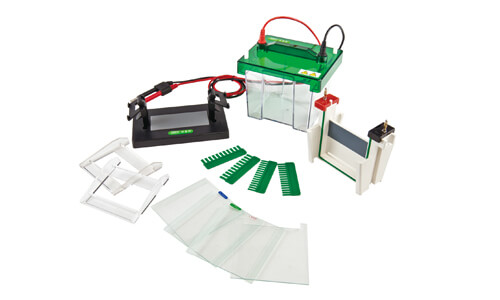
Integrating Vertical Electrophoresis with LIMS for Enhanced Data Workflow
In the modern laboratory environment, the integration of Vertical Electrophoresis systems with Laboratory Information Management Systems (LIMS) is increasingly becoming essential. This integration not only enhances data management but also facilitates a more streamlined workflow, particularly in protein separation and analysis. As the demand for accuracy and efficiency in scientific research grows, laboratories must adapt by embracing digitalization and connectivity. This article explores the benefits of integrating various models of vertical electrophoresis with LIMS, highlighting key specifications, data management protocols, and potential pitfalls.
Understanding Vertical Electrophoresis
Vertical electrophoresis offers a complex yet effective means of separating proteins based on their size and charge. This technique is often preferred over horizontal systems, particularly for applications requiring higher resolution and precision. The operation involves applying an electric field to a gel matrix in a vertical setting, enabling researchers to accurately analyze protein fragments. However, the efficiency of this method can be significantly enhanced through integration with LIMS, allowing for better data handling and reporting.
Benefits of LIMS Integration
Integrating vertical electrophoresis systems with a LIMS can provide laboratories with numerous advantages. Enhanced data tracking, sample management, and compliance with relevant standards (such as ISO 17025) are among the most significant benefits. Furthermore, LIMS can automate data entry and reduce the potential for human error, thus improving the reliability of results. By centralizing data management, labs can facilitate easier access to critical information, which is crucial for research and regulatory compliance.
Key Models of Vertical Electrophoresis
Several vertical electrophoresis models stand out in their compatibility with LIMS and their unique features that enhance laboratory operations. Below is an overview of the models discussed in this article:
- Mini-Protean Vertical Electrophoresis Cell YR03425: Best suited for short runs and quick analysis, this model allows for rapid gel installation and is optimal for labs requiring efficiency.
- Mini-Protean Vertical Electrophoresis Cell YR03426: This model features the capability to run multiple gel plates simultaneously, making it ideal for high-throughput environments.
- Mini-Protean Vertical Electrophoresis Cell YR03427: Known for its quick setup, this model is particularly beneficial in scenarios where time is of the essence, such as urgent testing.
- Vertical Electrophoresis Tank YR03428: This model accommodates larger sample volumes and is well-suited for extensive protein studies.
- Vertical Gel Electrophoresis Cell YR03429: With a higher gel and buffer capacity, this model caters to laboratories that conduct extensive electrophoresis works.
- Rapid Vertical Electrophoresis SSR YR03430: Designed for efficiency, this model simplifies the gel-making process, making it a favorite for labs focused on rapid results.
Comparison of Available Models
| Model | Sample Volume | Buffer Volume | Dimensions (mm) | Net Weight (kg) | Best For |
|---|---|---|---|---|---|
| YR03425 | 11-15 wells | ~750 ml | 150x120x115 | 1.5 | Rapid analysis |
| YR03426 | 11-15 wells | ~1,000 ml | 220x170x120 | 2.5 | High-throughput |
| YR03427 | 11-60 wells | ~1,200 ml | 175x175x100 | 2.5 | Quick setups |
| YR03428 | 25-52 wells | ~1,800 ml | 280x140x135 | 3.2 | Extensive studies |
| YR03429 | 25-52 wells | ~3,500 ml | 280x140x250 | 5.6 | Large volume runs |
| YR03430 | 25-52 wells | ~1,800 ml | 280x140x136 | 3.2 | Rapid deployment |
Common Mistakes and How to Avoid Them
When implementing LIMS integration with vertical electrophoresis, laboratories often encounter several common pitfalls that can undermine efficiency. One key mistake is inadequate training on both the electrophoresis systems and LIMS. Proper training ensures that laboratory personnel can fully utilize the capabilities of both systems. Another frequent issue is the failure to establish clear data management protocols. Laboratories should define standard operating procedures for data entry, sample tracking, and reporting to prevent inconsistencies. Regular audits of both systems can help identify and rectify issues before they escalate.
Data Management Protocols
Effective data management is crucial for laboratories aiming to maintain high standards of accuracy and compliance. Establishing robust protocols that leverage the connectivity of LIMS and vertical electrophoresis can streamline operations significantly. Integration can facilitate automatic data capture from electrophoresis systems, eliminating the need for manual entry and reducing errors. Furthermore, implementing a data validation strategy ensures that the integrity of the data remains intact throughout the workflow, aligning with standards such as ISO 17025.
Frequently Asked Questions
How does LIMS integration improve the efficiency of vertical electrophoresis labs?
Integrating LIMS with vertical electrophoresis systems enhances efficiency by automating data recording, which minimizes human error. For example, using the YR03426 model can allow labs to handle multiple gel plates simultaneously, while LIMS can streamline tracking and reporting tasks, ensuring compliance with standards such as ISO 17025.
What connectivity protocols are essential for LIMS integration with vertical electrophoresis systems?
Essential connectivity protocols for LIMS integration include HL7, ASTM, and REST. These protocols facilitate seamless data exchange between the YR03425 vertical electrophoresis cell and LIMS, ensuring that all sample and result data are accurately transmitted and stored, which is critical for maintaining laboratory standards.
How can vertical electrophoresis models support compliance with ISO 17025?
Vertical electrophoresis models like the YR03428 can support ISO 17025 compliance by providing accurate and reproducible results, essential for quality management systems. Coupled with LIMS, which organizes and tracks data, labs can maintain the rigor required to meet these standards effectively.
What are the common mistakes when integrating LIMS with vertical electrophoresis?
Common mistakes include inadequate training on both systems and failing to establish clear data management protocols. For instance, labs using the YR03430 model should ensure all personnel are trained to utilize both the electrophoresis system and LIMS to avoid data entry errors and inefficiencies.
What impact does LIMS integration have on laboratory workflow efficiency?
LIMS integration dramatically improves laboratory workflow efficiency by automating data capture and reporting processes. This integration allows labs utilizing the YR03427 model to focus more on analysis rather than data management, reducing turnaround times significantly.
Which vertical electrophoresis model is most suitable for high-throughput applications?
The Mini-Protean Vertical Electrophoresis Cell YR03426 is most suitable for high-throughput applications due to its ability to handle multiple gel plates simultaneously. When integrated with LIMS, this model can help laboratories streamline their workflow and ensure quick access to results.
How can laboratories ensure data integrity while using vertical electrophoresis and LIMS?
To ensure data integrity, laboratories should implement robust validation protocols and regular audits. For example, labs using the YR03429 model should establish data management procedures that include checking for discrepancies in automated data entries facilitated by LIMS.
What are the key benefits of using vertical electrophoresis in conjunction with LIMS?
Key benefits include improved accuracy, enhanced data tracking, and streamlined reporting processes. By utilizing models such as the YR03428, laboratories can leverage LIMS to maintain compliance with industry standards while optimizing their analytical capabilities.
If you are looking for a fusion of innovation and quality, you have come to the right place. At Kalstein, we offer you the luxury of exploring our exclusive catalog of laboratory equipment. We manufacture every device to the highest standards of excellence. Our intuitive and seamless online purchasing channels are designed for your convenience, securing the most competitive prices. Hesitate no longer — we bring science to life, it is time to become part of our community.