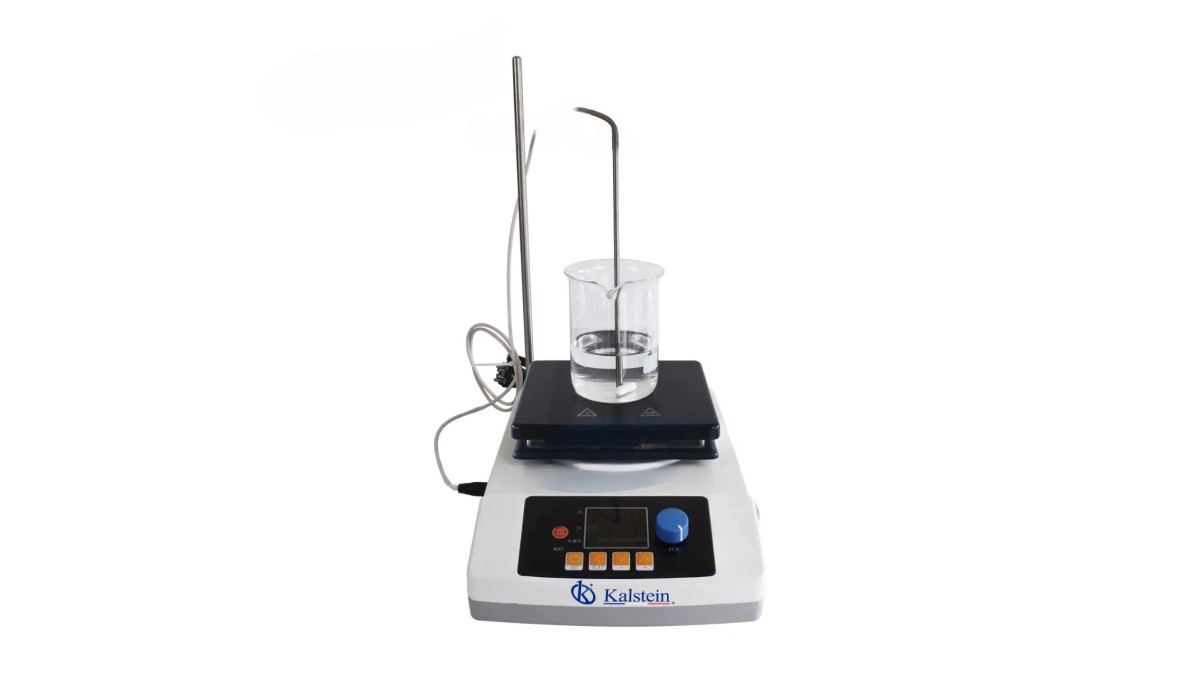
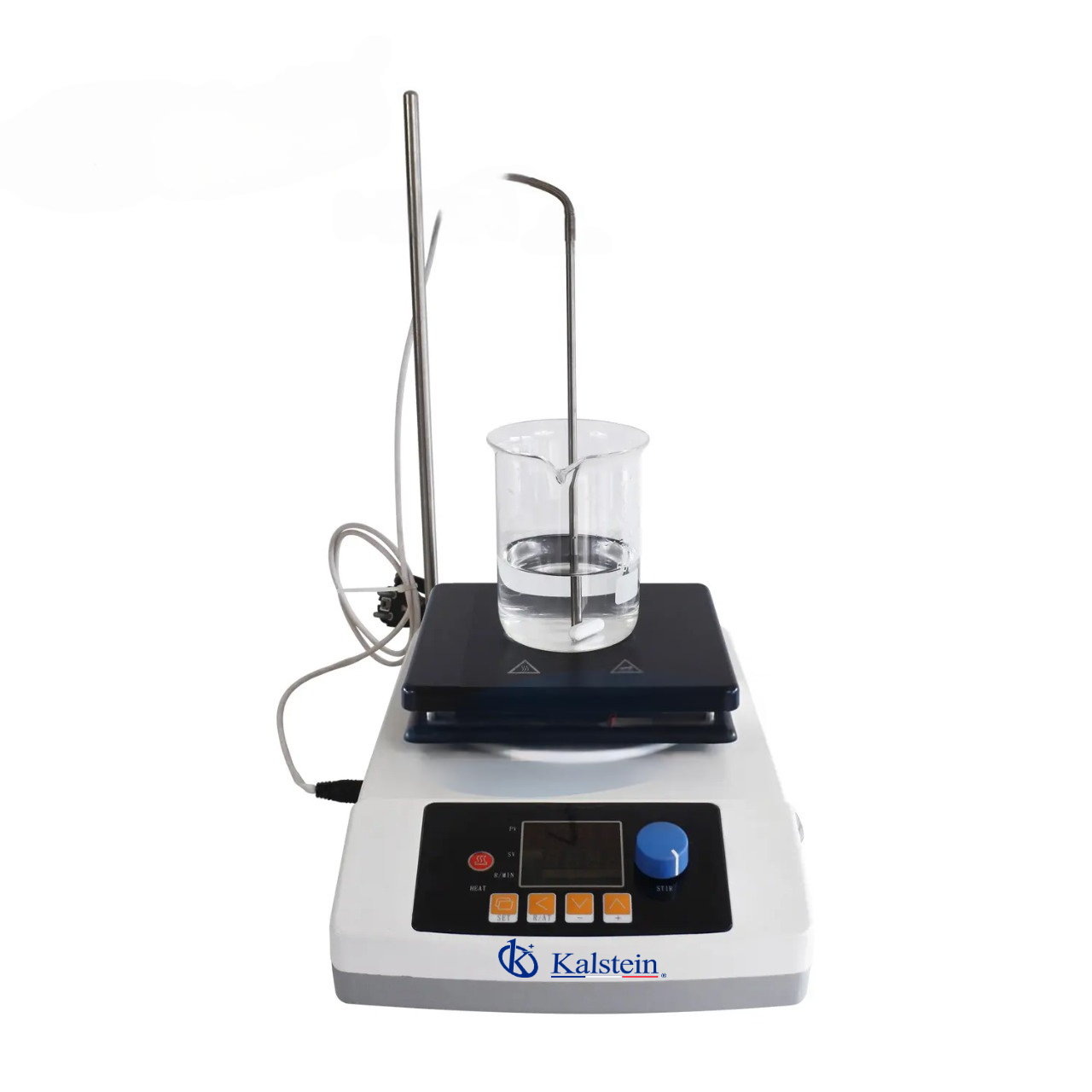
Intelligent Digital Display Ceramic Top Hotplate Stirrer: Practical Applications in Research and Biotechnology 2026
The Intelligent Digital Display Ceramic Top Hotplate Stirrer is an essential tool in modern laboratories, particularly in research, biotechnology, and academia. This article aims to provide a comprehensive guide on the applications, usage, and best practices surrounding this equipment, emphasizing its role in laboratory workflows in 2026.
What is it used for in 2026
In 2026, the Intelligent Digital Display Ceramic Top Hotplate Stirrer is widely utilized across various scientific sectors. Its primary function is to heat and stir solutions simultaneously, making it invaluable for tasks such as:
- Conducting chemical reactions under controlled temperatures.
- Preparing solutions that require precise temperature regulation.
- Facilitating biological experiments that demand consistent mixing and heating.
- Supporting educational demonstrations in academic settings.
The versatility of these units allows for their use in a range of applications, from routine laboratory tasks to complex research projects, making them indispensable in any scientific environment.
History and evolution of the technology
The evolution of hotplate stirrers dates back to the early days of laboratory work. Initially, magnetic stirrers were simple devices that used electromagnetic fields to create motion in a liquid. Over the years, advancements in technology have led to the development of more sophisticated models featuring:
- Digital displays for temperature accuracy.
- PID temperature control for enhanced stability.
- Ceramic tops for improved chemical resistance.
- Increased RPM ranges for diverse stirring needs.
These advancements have allowed researchers to perform more complex experiments with greater ease and precision, marking a significant leap in laboratory technology.
How to use it step by step
To effectively use an Intelligent Digital Display Ceramic Top Hotplate Stirrer, follow these steps:
- Setup: Place the hotplate stirrer on a stable, flat surface away from direct sunlight and drafts.
- Choose your vessel: Select a compatible glass or ceramic container that fits the hotplate dimensions.
- Add your solution: Pour the solution you wish to heat or stir into the chosen vessel.
- Insert the stir bar: Add a stirring bar to your solution. Ensure it is clean and free of debris.
- Connect the power: Plug the device into a suitable power outlet.
- Set temperature: Use the digital interface to set your desired temperature and stirring speed.
- Monitor progress: Regularly check the temperature display and adjust settings as needed.
- Complete the process: Once finished, turn off the device and carefully remove the vessel.
Always follow safety protocols while handling hot solutions and equipment.
Best techniques and protocols
For optimal results when using hotplate stirrers, adhere to the following best techniques and protocols:
- Ensure the ceramic top is clean before each use to prevent contamination.
- Utilize appropriate stirring bars that match the size of the container for effective mixing.
- Gradually increase the temperature to avoid shock to sensitive solutions.
- Implement proper cooling techniques for temperature-sensitive compounds after heating.
- Regularly calibrate the temperature control settings for accuracy.
By following these protocols, laboratory professionals can enhance the reliability and accuracy of their experimental outcomes.
Practical applications by laboratory type
The applications of Intelligent Digital Display Ceramic Top Hotplate Stirrers vary significantly across different laboratory types:
Chemical Laboratories
In chemical labs, these stirrers are used for synthesizing compounds, performing titrations, and conducting stability tests.
Biotechnology Labs
Biotechnology labs utilize hotplate stirrers for the preparation of media, enzyme reactions, and microbial culture growth.
Academic Institutions
In academia, they serve as demonstration tools in chemistry and biology classes, helping students understand key concepts.
Pharmaceutical Laboratories
Pharmaceutical labs employ these units for drug formulation and stability testing, ensuring precise control over experimental conditions.
Regulations, standards and certifications
When using Intelligent Digital Display Ceramic Top Hotplate Stirrers, laboratories must adhere to various regulations and standards, including:
- ISO standards for laboratory equipment safety and performance.
- Good Laboratory Practice (GLP) guidelines to ensure reproducibility and reliability in experiments.
- Occupational Safety and Health Administration (OSHA) regulations to maintain a safe working environment.
- Environmental Protection Agency (EPA) guidelines to ensure correct handling of hazardous materials.
Compliance with these standards is crucial for maintaining the integrity and safety of laboratory operations.
Comparison with alternative technologies
While Intelligent Digital Display Ceramic Top Hotplate Stirrers are highly efficient, there are alternative technologies worth considering:
- Magnetic Stirring Plates: Generally quieter but less flexible in temperature control.
- Heating Mantles: Suitable for round-bottom flasks but can pose a greater risk of overheating.
- Steam Baths: Effective for gentle heating but lack mixing capabilities.
- Ultrasonic Baths: Useful for emulsification but may not provide the precise heating required.
When choosing a stirring solution, consider the specific requirements of your experiments and the advantages offered by each technology.
Comparison of available models
| Model | Best for | Key specs | Recommended use case |
|---|---|---|---|
| YR02937 | Small-scale chemical reactions | 140x140 mm; PID control; 100-2000 RPM | Ideal for precise heating and stirring of small volumes. |
| YR02938 | Medium-scale experiments | 180x180 mm; PID control; +/- 1°C accuracy | Suitable for more visible sample analysis with a robust ceramic surface. |
| YR02939 | Complex biological assays | 230x230 mm; 750W power; 100-1800 RPM | Perfect for larger volumes requiring consistent mixing. |
| YR02940 | Versatile laboratory tasks | 280x280 mm; PID technology; 325°C max temp | Great for a variety of applications from heating to stirring. |
| YR02941 | Small reactions in academic settings | 140x140 mm; digital interface; 400°C max temp | Ideal for educational purposes and demonstrations. |
| YR02942 | Biotechnology applications | 180x180 mm; PID control; 100-1800 RPM | Best for precise heating and stirring in biotechnological research. |
Common mistakes and how to avoid them
Laboratory professionals often encounter several common mistakes when using hotplate stirrers. To avoid these pitfalls, consider the following tips:
- Do not exceed the recommended temperature limits, as this can damage the unit and compromise experiments.
- Avoid using inappropriate containers that do not fit the heating surface.
- Ensure that stirring bars are the right size to prevent them from sticking or failing to provide adequate mixing.
- Neglecting to monitor temperature can lead to overheating or incomplete reactions.
- Failing to clean the ceramic surface between experiments can lead to contamination.
By being mindful of these common mistakes, laboratory personnel can enhance efficiency and reliability in their work.
Maintenance, calibration and good practices 2026
Proper maintenance and calibration of hotplate stirrers are essential for long-term performance. Follow these practices:
- Regularly clean the ceramic top with non-abrasive materials to remove residues.
- Calibrate the temperature settings every six months or before critical experiments.
- Inspect electrical connections for wear or damage to ensure safety.
- Store the unit in a dry environment to prevent corrosion and damage.
- Document usage logs to track performance and schedule maintenance.
By adhering to these maintenance protocols, labs can ensure the longevity and reliability of their equipment.
Cost-benefit analysis 2026
When considering the purchase of an Intelligent Digital Display Ceramic Top Hotplate Stirrer, a cost-benefit analysis is vital. Factors to consider include:
- Initial Investment: Compare prices across different models to find the best fit based on laboratory needs.
- Operational Efficiency: Evaluate the time savings from faster heating and stirring compared to traditional methods.
- Durability: Consider the lifespan of the unit and the potential costs of repairs or replacements.
- Enhanced Productivity: Improved accuracy and consistency can lead to higher quality results and better research outcomes.
Weighing these factors will help laboratories make informed decisions about their investments in hotplate stirrers.
Frequently asked questions
What factors should I consider when selecting a hotplate stirrer?
When choosing a hotplate stirrer, consider the size of the heating surface, temperature range, stirring speed, and the type of materials you will be working with. Evaluate your specific laboratory needs to ensure compatibility.
How do I clean and maintain my hotplate stirrer?
To clean your hotplate stirrer, use a soft cloth with a mild detergent. Avoid abrasive cleaners that can scratch the ceramic surface. Regularly inspect the unit for any signs of wear or damage and perform scheduled maintenance as needed.
Can I use metal containers with ceramic top hotplate stirrers?
While you can use metal containers, it is advisable to stick with glass or ceramic vessels to avoid any potential reactions that may occur with the ceramic surface of the hotplate.
What safety measures should I take while using a hotplate stirrer?
Always wear appropriate personal protective equipment (PPE), such as gloves and goggles. Never leave the device unattended while in operation, and ensure that the area around the hotplate is clear of flammable materials.
How often should I calibrate my hotplate stirrer?
It is recommended to calibrate your hotplate stirrer every six months or before critical experiments to ensure accurate temperature readings and reliable results.
What is the best way to ensure efficient stirring?
To ensure efficient stirring, select the appropriate size and shape of stirring bar for your container, and adjust the stirring speed according to the viscosity of your solution.
Where can I request a quote for a hotplate stirrer?
You can request a quote through our dedicated channels for laboratory equipment, ensuring you get the best pricing and options available for your needs.
If you are looking for a fusion of innovation and quality, you have come to the right place. At Kalstein, we offer you the luxury of exploring our exclusive catalog of laboratory equipment. We manufacture every device to the highest standards of excellence. Our intuitive and seamless online purchasing channels are designed for your convenience, securing the most competitive prices. Hesitate no longer — we bring science to life, it is time to become part of our community.