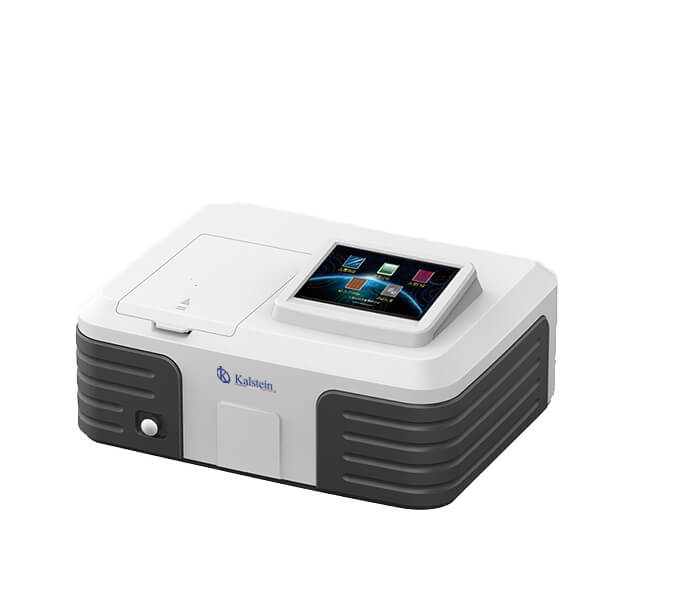
Interpreting Results and Reading Measurements with the YR01862 Spectrophotometer
The YR01862 double beam UV/Vis spectrophotometer is an advanced analytical tool designed to provide precise measurements and reliable results for a variety of applications in the laboratory. Understanding how to interpret results and read measurements is crucial for operators to utilize this instrument effectively. This article delves deep into the functionalities of the YR01862, guiding users through the interpretation of results with clarity and confidence.
Understanding the Principle of Operation
The YR01862 operates on the principle of light absorption by samples, a phenomenon dictated by the Beer-Lambert Law. This law states that the absorbance of a substance is directly proportional to its concentration and the path length of light through the sample. The dual beam design of the YR01862 allows for increased accuracy and stability by compensating for variations in light intensity and providing a reliable baseline for measurement.
Technical Specifications of the YR01862
| Property | Details |
|---|---|
| Model | YR01862 |
| Wavelength Range | 190-1100 nm |
| Spectral Bandwidth | 1.8 nm |
| Wavelength Accuracy | ± 0.1nm |
| Photometric Accuracy | ± 0.2% T (0-100% T) |
| Stability | ± 0.0004A/h @ 500nm |
| Data Output Port | USB |
Interpreting Spectrophotometric Results
When working with the YR01862, it's essential to understand how to interpret the output data accurately. The instrument provides absorbance and transmittance readings, which can be converted to concentration using calibration curves developed from known standards. Operators should familiarize themselves with the significance of these readings, including the concept of the baseline and how it affects the final results.
Common units of measurement include absorbance (A) and transmittance (%T). A high absorbance value indicates a high concentration of the analyte, whereas a low transmittance indicates that the light is being absorbed rather than passing through the sample.
Common Misinterpretations of Results
Misinterpretations can lead to erroneous conclusions and decisions. Understanding how to read the display and printed outputs from the YR01862 is vital. For instance, discrepancies in readings may arise from sample contamination, improper calibration, or using the wrong path length cuvettes. Operators should also be aware of environmental factors such as ambient light interference and temperature variations, which can impact measurement accuracy.
Example: Analyzing Protein Concentration
To illustrate how to interpret results, consider a scenario where you are measuring protein concentration using the YR01862. After preparing a calibration curve with known protein standards, you measure the absorbance of your unknown sample. By locating the absorbance value on the calibration curve, you can determine the concentration of protein in your sample.
This practical approach showcases the importance of precise measurements and accurate interpretations, ensuring reliable results in your laboratory work.
Common Technical Issues and Solutions
| Symptom | Probable Cause | Solution |
|---|---|---|
| Equipment does not power on | Power connection issue | Check power cable and outlet |
| Error code E-03 | Calibration error | Recalibrate the instrument |
| Inconsistent readings | Sample contamination | Prepare fresh samples and clean cuvettes |
Frequently Asked Questions
What is the optimal wavelength range for the YR01862?
The optimal wavelength range for the YR01862 is from 190 to 1100 nm, making it suitable for a diverse range of samples across UV and visible light spectra.
How do I calibrate the YR01862 before use?
Calibration involves using known standards to create a baseline for measurements. Follow the manufacturer's guidelines to ensure accurate calibration before analyzing unknown samples.
What types of samples can be analyzed with the YR01862?
The YR01862 can analyze a variety of samples, including liquids, proteins, nucleic acids, and other biological materials, making it versatile for different laboratory applications.
How can I ensure the reliability of my measurements?
To ensure reliable measurements, ensure that your samples are prepared correctly, the instrument is calibrated regularly, and environmental factors are controlled during measurement.
What maintenance is required for the YR01862?
Regular maintenance includes cleaning the optical components, checking for software updates, and ensuring that the instrument is stored in a controlled environment to maintain its performance.
How can I troubleshoot common errors with the YR01862?
Consult the troubleshooting guide that accompanies the instrument, which outlines common symptoms, their probable causes, and recommended solutions to ensure smooth operation.
If you are looking for a fusion of innovation and quality, you have come to the right place. At Kalstein, we offer you the luxury of exploring our exclusive catalog of laboratory equipment. We manufacture every device to the highest standards of excellence. Our intuitive and seamless online purchasing channels are designed for your convenience, securing the most competitive prices. Hesitate no longer — we bring science to life, it is time to become part of our community.