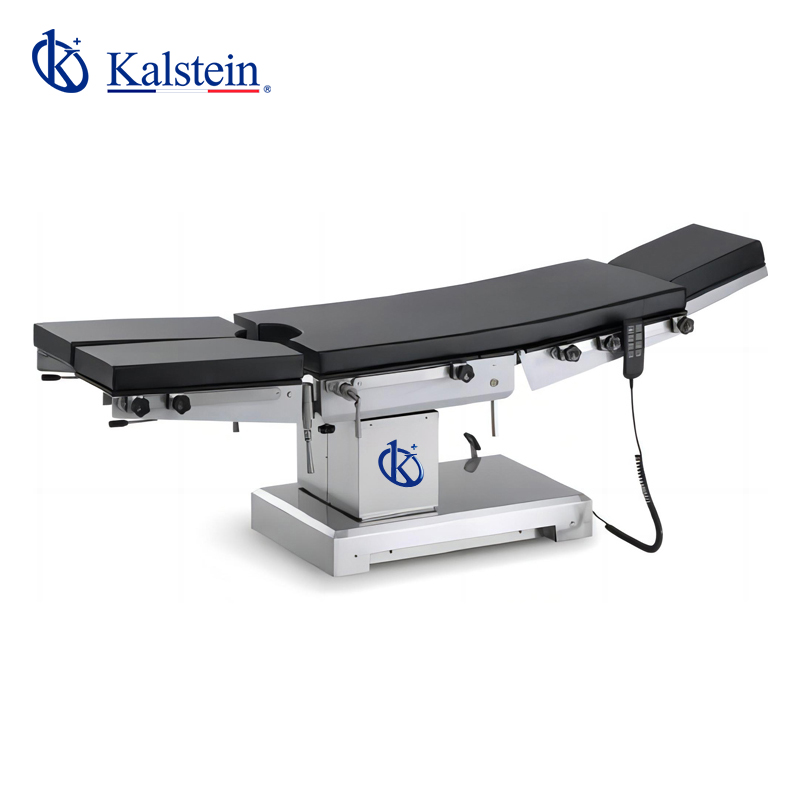
Interpreting Results and Reading Measurements with the YR02156 Operating Table
The YR02156 Operating Table is a versatile tool integral to achieving precision in various medical procedures. Understanding how to interpret results and read measurements accurately is crucial for optimal performance in clinical settings. This article delves into the essential features of the YR02156, providing insight into its specifications, applications, and the best practices for reading measurements effectively.
Overview of the YR02156 Operating Table
The YR02156 is designed for universal application, catering to multiple disciplines such as ENT, ophthalmology, and endoscopy. Its versatility allows for a range of positioning requirements, making it an essential asset in any surgical environment.
Technical Specifications of the YR02156
| Feature | Description |
|---|---|
| Model | YR02156 |
| Control | Remote control with cable; optional foot control available |
| Table Length | 2100 mm |
| Table Width | 500 mm (excluding side rails) |
| Table Height | 1040mm / 690mm |
| Trendelenburg / Reverse | 25° / 25° |
| Lateral Tilt (Right / Left) | 20° / 20° |
| Head Plate (Up / Down) | 90° / 90° |
| Back Plate (Up / Down) | 80° / 12° |
| Leg Plate (Up / Down / Split) | 10° / 100° / 100° x 2 |
| Flex / Reflex | 192° / 100° |
| Kidney Elevator | 0 ~ 120 mm, external, optional |
| Operational Load | 200 Kg |
| Input Power | AC 110/220V, 60/50Hz |
Understanding Measurements in Surgical Settings
When utilizing the YR02156 Operating Table, it is vital to comprehend how to read and interpret the measurements accurately. Measurements can include adjustments in height, angle tilts, and weight capacity. Each of these factors can significantly impact the surgical outcome.
It is essential to familiarize oneself with the control interface, which provides real-time feedback on the current settings. The clarity of the display is crucial for ensuring that adjustments are made accurately during operations.
Common Misinterpretations of Operating Table Measurements
Medical personnel may encounter various misinterpretations when reading measurements on the YR02156. For instance, misjudging the table's height or tilt angle can lead to improper positioning of the patient, affecting surgical precision.
Another common mistake is overlooking the operational load capacity. An incorrect assumption about how much weight the table can manage can lead to equipment failure or compromise patient safety. It’s crucial to always verify these specifications before use.
Best Practices for Accurate Measurement Interpretation
- Routine Calibration: Regularly calibrate the table according to the manufacturer’s instructions to ensure precision.
- Pre-Use Checks: Always perform a pre-use check to confirm that all measurements align with the clinical requirements.
- Training and Familiarization: Ensure that all operators are adequately trained and familiar with the YR02156's controls and features.
- Documentation: Keep detailed records of measurements taken during procedures for future reference and quality control.
Interpreting Results in Various Clinical Applications
The YR02156 can be adapted for different clinical applications, each requiring specific measurement interpretations. For example, in an ENT procedure, proper tilt angles may be critical for achieving the best surgical view.
In ophthalmology, the head position must be adjusted accurately to avoid complications. Understanding how to interpret the adjustments made on the YR02156 helps ensure optimal outcomes across different disciplines.
Frequently Asked Questions
What is the maximum operational load for the YR02156 Operating Table?
The YR02156 Operating Table has a maximum operational load of 200 Kg, which is essential for ensuring safety and stability during surgical procedures.
How can I ensure accurate measurement readings on the YR02156?
To ensure accurate measurement readings, regularly calibrate the table, perform pre-use checks for alignment with clinical requirements, and provide training for all operators on its features.
What are the key features of the YR02156 that affect measurement interpretation?
Key features include adjustable height, tilt angles, and load capacity. Each of these affects how a patient is positioned and the overall outcome of the procedure.
How do I prevent common misinterpretations when using the YR02156?
Prevent common misinterpretations by confirming the operational load capacity, ensuring accurate height and angle adjustments, and documenting all measurements systematically.
Are there any specific requirements for using the YR02156 in different clinical settings?
Yes, the requirements may vary based on the clinical setting. For example, positioning in ENT procedures may require specific tilt angles for optimal visibility.
How can I request a quote for the YR02156 Operating Table?
You can request a quote for the YR02156 Operating Table by contacting our sales team or visiting our catalog online.
Conclusion
If you are looking for a fusion of innovation and quality, you have come to the right place. At Kalstein, we offer you the luxury of exploring our exclusive catalog of laboratory equipment. We manufacture every device to the highest standards of excellence. Our intuitive and seamless online purchasing channels are designed for your convenience, securing the most competitive prices. Hesitate no longer — we bring science to life, it is time to become part of our community.