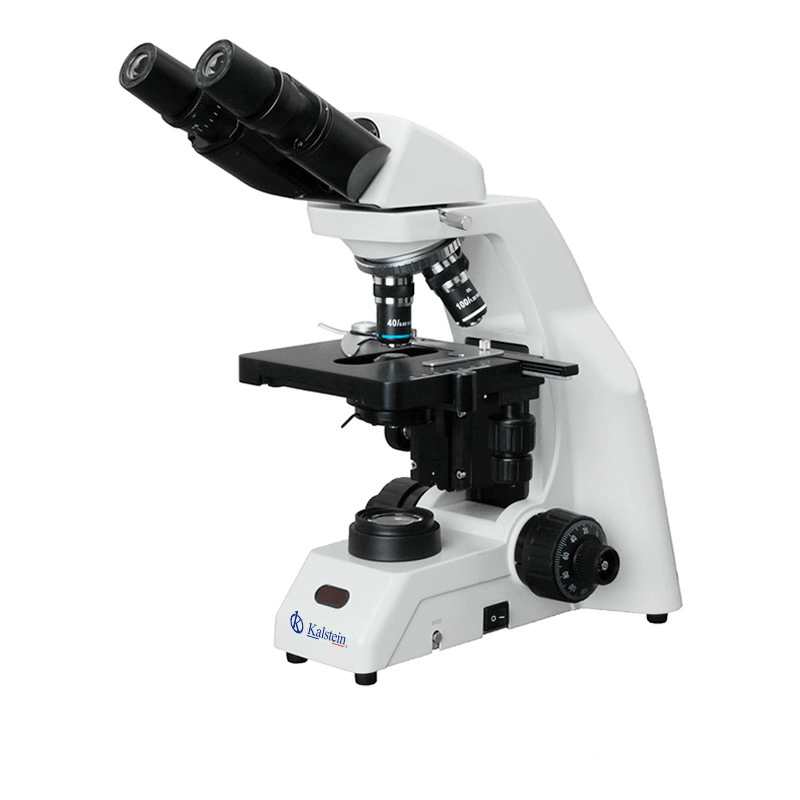
Interpreting Results and Reading Measurements with the YR0239 Microscope
The YR0239 Trinocular Microscope is a powerful tool designed for precise observations and measurements in various fields, including clinical, educational, and industrial applications. Understanding how to effectively interpret results and read measurements is crucial for operators to maximize the microscope's capabilities. This article delves into the specific features of the YR0239, focusing on result interpretation techniques and measurement accuracy.
Understanding the YR0239 Microscope Features
The YR0239 is equipped with advanced optical systems to enhance observation quality. Key features include:
- Optical System: Finite optical system for detailed imaging.
- Condenser: Includes both dry and oil dark field condensers to suit different observation needs.
- Viewing Head: Seidentopf binocular head inclined at 30°, with an interpupillary adjustment range of 47-78 mm.
- Focusing Mechanism: Coaxial fine and coarse adjustment with a fine division of 0.002 mm and a mobile range of 25 mm.
Technical Specifications of the YR0239
| Specification | Details |
|---|---|
| Model | YR0239 |
| Optical System | Finite optical system |
| Eyepiece | WF10X/18 |
| Viewing Head | Trinocular Seidentopf, inclined 30°, interpupillary distance 47-78 mm |
| Objective Lenses | 4X, 10X, 20X, 40X, and 100X |
| Condenser | NA1.25 Abbe condenser and dark field condenser |
| Illumination | Halogen lamp and LED options |
Interpreting Measurements Taken with the YR0239
When operating the YR0239, accurate interpretation of measurements involves understanding the units of measurement, the significance of normal ranges, and potential errors. Here’s how to effectively derive meaning from your observations:
- Units of Measurement: Ensure familiarity with the micrometer scale for accurate readings.
- Normal Ranges: Learn what constitutes normal versus abnormal readings for various samples.
- Error Analysis: Be aware of common errors, such as parallax error or misalignment, which can affect results.
Common Misinterpretations in Microscopy
Misinterpretation can lead to incorrect conclusions. Here are common pitfalls and how to avoid them:
- Overlooking Calibration: Always calibrate the microscope prior to use to ensure accuracy.
- Ignoring Environmental Factors: Temperature and humidity can affect measurements; control these factors during operation.
- Misreading the Scale: Double-check readings to confirm that they are taken at eye level without parallax distortion.
Practical Examples and Case Studies
Applying theoretical knowledge to practical situations enhances understanding. Below are scenarios that illustrate proper usage of the YR0239:
- Clinical Lab: Using the YR0239 for hematology analysis to interpret sample results effectively.
- Educational Setting: Demonstrating the measurement of cell sizes in biology classes.
Frequently Asked Questions
How do I calibrate the YR0239 microscope for accurate measurements?
Calibration involves adjusting the eyepiece and objectives to ensure the measurements are precise. Start by using calibration slides to set the correct scale for measurement.
What are the common errors when interpreting results from the YR0239?
Common errors include parallax error, not accounting for sample thickness, and environmental factors affecting visibility. Always ensure the microscope is properly calibrated and aligned.
How does the dark field condenser enhance the functionality of the YR0239?
The dark field condenser allows for improved contrast when observing transparent or weakly refractive specimens, enhancing visibility and detail in measurements.
What is the significance of interpupillary distance in the YR0239?
The interpupillary distance adjustment is crucial for operator comfort and ensuring proper alignment of the eyes with the eyepieces, which directly affects the quality of the image and measurements.
What maintenance is required for the YR0239 to ensure long-term accuracy?
Regular maintenance includes cleaning the lenses, calibrating the equipment frequently, and storing it in a controlled environment to prevent damage and ensure consistent performance.
Can the YR0239 be used for digital imaging?
Yes, the trinocular head design allows for the attachment of digital cameras, facilitating the capture of images for further analysis and documentation of results.
If you are looking for a fusion of innovation and quality, you have come to the right place. At Kalstein, we offer you the luxury of exploring our exclusive catalog of laboratory equipment. We manufacture every device to the highest standards of excellence. Our intuitive and seamless online purchasing channels are designed for your convenience, securing the most competitive prices. Hesitate no longer — we bring science to life, it is time to become part of our community.