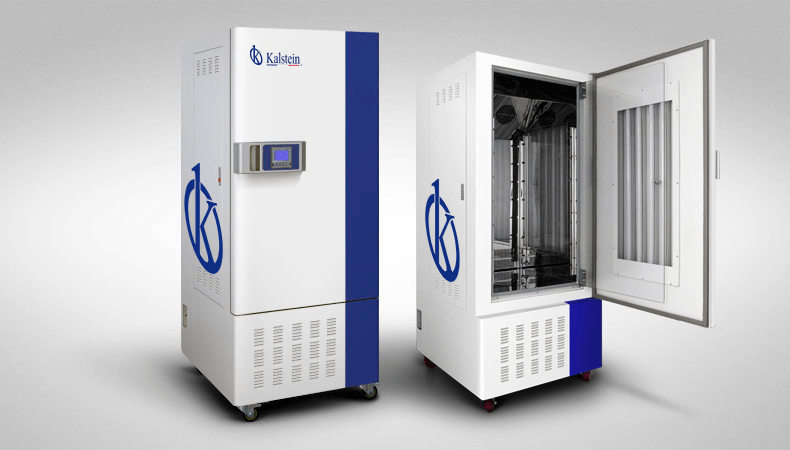
How to Ensure ISO/IEC Compliance in Artificial Climate Chambers
In today's laboratory environment, ensuring compliance with ISO/IEC standards is crucial for maintaining quality and reliability in testing processes. Artificial climate chambers play a pivotal role in simulating various environmental conditions, which are essential for research, development, and quality assurance. This article explores how to achieve regulatory compliance using artificial climate chambers, particularly focusing on three specific models: Climate simulation camera YR05347, YR05348, and YR05349.
Understanding ISO/IEC Standards Relevant to Climate Chambers
ISO/IEC standards provide a framework for laboratories to ensure accuracy, reliability, and consistency in their results. For artificial climate chambers, several standards are particularly relevant:
- ISO 17025: This standard focuses on the competence of testing and calibration laboratories. It emphasizes the need for control of environmental conditions within labs to ensure valid results.
- IEC 61010: This standard specifies safety requirements for electrical equipment used in measurement, control, and laboratory use, ensuring that climate chambers operate safely under various conditions.
- ISO 15189: This standard is specific to medical laboratories, addressing the quality and competence necessary to provide valid results.
Key Features of Artificial Climate Chambers
When considering artificial climate chambers, several key features must align with ISO/IEC standards to ensure compliance:
- Temperature Control: Chambers should maintain precise temperature ranges with minimal fluctuation. For example, the YR05347 model operates between 10~65℃ with lighting, ensuring compliance with temperature control standards.
- Humidity Control: Humidity levels must be accurately monitored and controlled. The YR05348 model supports a humidity range of 50~90% HR with a fluctuation of ±3% HR, which is critical for sensitive biological tests.
- Illumination Control: For experiments involving plant growth or cellular cultures, adjustable lighting levels are necessary. The YR05349 model allows for five adjustable stages of illumination, meeting research demands.
Optimizing Compliance with Audit Checklists
Regular audits are essential to ensure ongoing compliance with ISO/IEC standards. Developing a checklist can help laboratories systematically assess their artificial climate chambers:
| Audit Item | Compliance Requirement | Model Reference |
|---|---|---|
| Temperature Calibration | Calibration certificates must be traceable to national standards. | YR05347, YR05348 |
| Humidity Calibration | Humidity sensors must be calibrated at regular intervals. | YR05348, YR05349 |
| Safety Inspections | Routine checks to ensure compliance with IEC 61010. | All models |
Documentation Requirements for Compliance
Maintaining comprehensive documentation is crucial for compliance. Key documents include:
- Standard Operating Procedures (SOPs): Detailed SOPs for equipment operation, maintenance, and calibration help ensure all personnel adhere to compliance standards.
- Calibration Records: Keeping meticulous records of calibration activities for each model supports traceability and compliance with ISO 17025.
- Audit Reports: Documenting findings from compliance audits enables labs to address any deficiencies and improve operational practices.
Traceability and Its Importance in Compliance
Traceability is essential in laboratory settings to ensure that results can be verified and are reliable. Each artificial climate chamber should have:
- Unique Identification: Each model, such as YR05347, YR05348, and YR05349, should have a unique identifier to track calibration and maintenance history.
- Link to Standards: Clearly demonstrating how each model meets applicable ISO/IEC standards is vital for regulatory audits.
Comparison of Available Models
| Model | ISO/IEC Clauses Covered | Traceability Features | Best For |
|---|---|---|---|
| YR05347 | ISO 17025, IEC 61010 | Calibration logs maintained | Cell culture, long-term experiments |
| YR05348 | ISO 17025, IEC 61010 | Audit-ready documentation | Biological tissue, insect feeding |
| YR05349 | ISO 17025, ISO 15189 | Automated tracking systems | Plant cultivation, environmental testing |
Common Mistakes and How to Avoid Them
Laboratories often face challenges in maintaining compliance due to common mistakes. To avoid these pitfalls, consider the following:
- Neglecting Regular Calibration: Ensure that calibration schedules are strictly followed to comply with ISO 17025.
- Inadequate Documentation: Maintain detailed records and documentation for every model to support audits and inspections.
- Ignoring Staff Training: Regular training should be provided to staff on compliance standards and operational procedures for climate chambers.
Frequently Asked Questions
How does an artificial climate chamber help meet ISO 17025 requirements?
An artificial climate chamber, such as the YR05347, helps meet ISO 17025 requirements by providing controlled environmental conditions that ensure accurate and repeatable testing results. Proper calibration and maintenance of temperature and humidity are crucial for compliance.
What are the key features of YR05348 for regulatory compliance?
The YR05348 offers critical features for regulatory compliance, including precise humidity control within a range of 50-90% HR and a robust documentation system for traceability. These features are essential for labs adhering to ISO standards.
Which model is best for long-term biological experiments?
The YR05347 model is ideal for long-term biological experiments due to its advanced temperature control and adjustable lighting features. This model ensures a stable environment, complying with ISO standards while allowing for prolonged studies.
How often should calibration be performed on artificial climate chambers?
Calibration of artificial climate chambers, like the YR05349, should typically be performed at least once a year or as required by ISO 17025 standards. This ensures the accuracy and reliability of the environmental conditions within the chamber.
What documentation is required for ISO compliance in climate chambers?
ISO compliance requires documentation such as calibration records, standard operating procedures, and audit reports. Each model, including YR05348, should have comprehensive documents that detail testing protocols and results.
How can I ensure effective traceability in my laboratory?
Effective traceability in a laboratory can be ensured by implementing unique identification for each model, like the YR05349, and maintaining detailed calibration and maintenance logs. This practice supports compliance with ISO/IEC standards.
Which climate chamber model is most energy-efficient?
The YR05347 model is designed with energy efficiency in mind, utilizing advanced refrigeration technology that minimizes energy consumption while ensuring precise environmental control, in line with ISO requirements.
Conclusion
If you are looking for a fusion of innovation and quality, you have come to the right place. At Kalstein, we offer you the luxury of exploring our exclusive catalog of laboratory equipment. We manufacture every device to the highest standards of excellence. Our intuitive and seamless online purchasing channels are designed for your convenience, securing the most competitive prices. Hesitate no longer — we bring science to life, it is time to become part of our community.