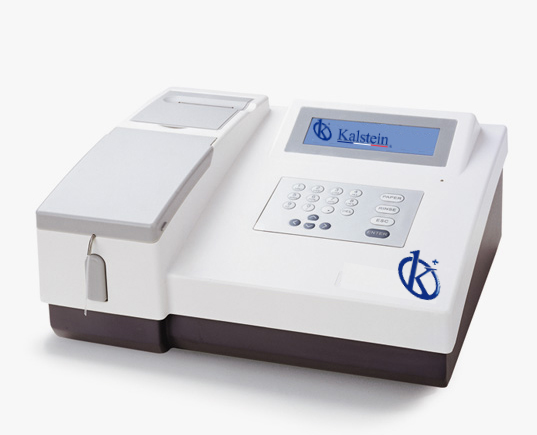
How to Ensure ISO/IEC Compliance with Chemical Analyzers in Laboratories?
In modern laboratories, the importance of ISO/IEC compliance cannot be overstated. Compliance with ISO/IEC standards not only enhances the reliability and credibility of laboratory results but also plays a critical role in maintaining regulatory standards. This article delves into specific ISO/IEC norms applicable to chemical analyzers, provides an extensive comparison of various models, and discusses practical approaches to ensure compliance.
Understanding ISO/IEC Standards Relevant to Chemical Analyzers
ISO/IEC standards set forth guidelines that laboratories must follow to ensure quality and reliability in their testing processes. For chemical analyzers, key standards include:
- ISO 17025: This standard focuses on the general requirements for the competence of testing and calibration laboratories.
- IEC 61010: It specifies safety requirements for electrical equipment for measurement, control, and laboratory use.
- ISO 15189: This standard is specifically oriented towards medical laboratories and outlines the requirements for quality and competence.
By adhering to these standards, laboratories can mitigate risks and ensure accurate results while maintaining compliance.
Key Features of Chemical Analyzers Supporting Compliance
When selecting a chemical analyzer for your laboratory, look for features that support compliance with ISO/IEC standards:
- Traceability: Ensure that the analyzer supports traceability of results back to national or international standards.
- Documentation and Reporting: The analyzer should have robust features for generating accurate reports that conform to ISO documentation requirements.
- Calibration: Regular calibration of the analyzer is essential to maintain compliance and accuracy.
Comparison of Available Models
| Model | ISO/IEC Clauses Covered | Traceability Features | Best For |
|---|---|---|---|
| YR05115 | ISO 17025, IEC 61010 | Supports traceability through calibration logs | Routine testing in clinical labs |
| YR05114 | ISO 17025 | Integrated logging for traceability | Low to medium-volume testing |
| YR06092 | ISO 17025 | Calibration tracking features | Fieldwork and mobile testing |
| YR06075 | ISO 17025, IEC 61010 | Automated reporting and logging | High-throughput environments |
| YR05116 | ISO 15189 | Comprehensive traceability solutions | Medical labs and diagnostics |
| YR06078 | ISO 17025 | Integrated traceability controls | General laboratory use |
Common Mistakes and How to Avoid Them
Many laboratories face challenges when it comes to ISO/IEC compliance. Common mistakes include:
- Neglecting Regular Calibration: Failing to calibrate your analyzers regularly can lead to non-compliance. Establish a routine calibration schedule based on the manufacturer's recommendations.
- Inconsistent Documentation: Documentation should be maintained consistently. Implement a digital management system to streamline documentation processes and ensure all results are traceable.
- Overlooking Staff Training: Ensure that all staff are adequately trained on the compliance requirements and the operation of the analyzers. Regular training sessions can help maintain compliance.
Ensuring Compliance Through Proper Maintenance
To maintain ISO/IEC compliance, regular maintenance of chemical analyzers is crucial. This includes:
- Performing routine checks on equipment to ensure optimal functionality.
- Keeping track of maintenance records to demonstrate compliance during audits.
- Implementing a preventive maintenance schedule to avoid downtime and maintain operational integrity.
Integration of Quality Management Systems
Quality Management Systems (QMS) help laboratories monitor compliance and improve processes. Implementing a QMS can enable laboratories to:
- Streamline processes and documentation.
- Monitor compliance in real-time through performance metrics.
- Facilitate internal audits to ensure adherence to ISO/IEC standards.
Frequently Asked Questions
How can I determine if a chemical analyzer meets ISO 17025 requirements?
To determine if a chemical analyzer meets ISO 17025 requirements, check if it includes features like calibration traceability, automated reporting, and compliance documentation. For example, the YR06075 model supports these features effectively for laboratories needing high throughput.
What features should I look for in a chemical analyzer for IEC 61010 compliance?
Look for features ensuring electrical safety, such as overload protection, safe shutdown protocols, and compliance with operational standards. The YR06075 model, for instance, adheres to IEC 61010 with its advanced safety features.
Which calibration practices are essential for ISO 17025 compliance in laboratories?
Essential calibration practices include performing regular calibrations using certified standards, maintaining detailed records, and ensuring traceability of measurement results. Models like YR05115 offer robust calibration tracking to support compliance.
How do I maintain traceability in chemical analysis results?
Maintain traceability by implementing a solid documentation process that records all calibration and testing activities. The YR05116 model is designed to support extensive traceability features, making it suitable for environments requiring strict compliance.
What is the role of documentation in achieving ISO 17025 compliance?
Documentation plays a critical role in demonstrating compliance through records of tests, calibrations, and maintenance activities. Analyzers like YR06078 provide extensive documentation capabilities to support compliance efforts.
How often should a chemical analyzer be calibrated for compliance?
A chemical analyzer should typically be calibrated every 6 to 12 months, depending on usage frequency and manufacturer recommendations. The YR05114, for instance, offers features that facilitate regular calibration checks.
What are the benefits of using an automated chemistry analyzer in labs seeking ISO compliance?
Automated chemistry analyzers enhance efficiency, reduce human error, and ensure consistent performance, which is crucial for compliance. The YR06075 model excels in automation, making it ideal for high-demand laboratory settings.
How can I ensure my lab meets ISO 15189 standards with chemical analyzers?
To meet ISO 15189 standards, ensure that your chemical analyzers provide accurate and reliable results, have robust quality control measures, and maintain comprehensive records. The YR05116 model is tailored to meet the needs of medical laboratories, aligning with ISO 15189 standards effectively.
If you are looking for a fusion of innovation and quality, you have come to the right place. At Kalstein, we offer you the luxury of exploring our exclusive catalog of laboratory equipment. We manufacture every device to the highest standards of excellence. Our intuitive and seamless online purchasing channels are designed for your convenience, securing the most competitive prices. Hesitate no longer — we bring science to life, it is time to become part of our community.