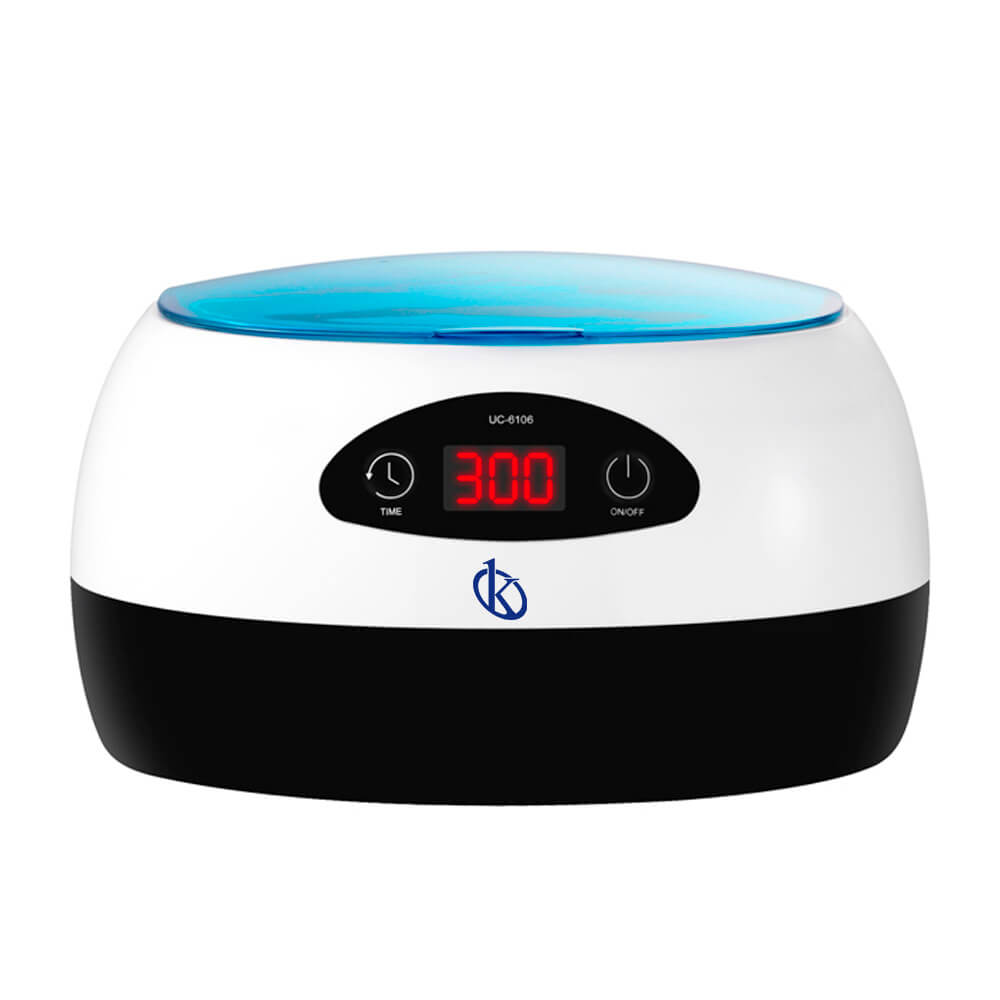
How to Ensure ISO/IEC Compliance with Digital Desktop Ultrasonic Cleansers
The application of ISO/IEC standards is crucial for laboratories aiming to maintain high-quality practices and achieve regulatory compliance. Digital Desktop Ultrasonic Cleansers have emerged as essential tools in laboratories for cleaning delicate instruments while adhering to these norms. This article examines various models within this subcategory, exploring how they align with ISO/IEC requirements and enhance the cleaning processes in a laboratory setting.
ISO/IEC Standards and Their Importance in Laboratory Settings
ISO/IEC standards provide a framework for quality management systems, which significantly improve laboratory operations. For laboratories dealing with sensitive instruments, such as those used in clinical or dental applications, compliance with standards like ISO 17025 becomes imperative for ensuring accuracy and reliability. Digital Desktop Ultrasonic Cleansers facilitate this compliance by offering precise cleaning without damaging instruments, thus aligning with the best laboratory practices outlined by these standards.
Understanding How Ultrasonic Cleansers Function
Ultrasonic cleansers utilize high-frequency sound waves to create cavitation bubbles in a cleaning solution. When these bubbles collapse, they generate intense pressure and heat that dislodge dirt and contaminants from surfaces. This process allows for thorough cleaning, especially in hard-to-reach areas. The efficiency of this cleaning method is particularly beneficial for instruments that require meticulous care to maintain their functionality and compliance with regulatory standards.
Key ISO/IEC Standards Relevant to Digital Desktop Ultrasonic Cleansers
Several ISO/IEC standards pertain to the use of laboratory equipment, including:
- ISO 17025: This standard outlines the general requirements for the competence of testing and calibration laboratories.
- ISO 15189: This standard specifies requirements for quality and competence in medical laboratories.
- IEC 61010: This standard addresses safety requirements for electrical equipment used in medical laboratories.
Digital Desktop Ultrasonic Cleansers such as the YR05231 and YR05230 are specifically designed to meet these standards, providing laboratories with reliable cleaning solutions that enhance overall compliance.
Comparison of Available Models
| Model | ISO/IEC Clauses Covered | Traceability Features | Best For |
|---|---|---|---|
| YR05231 | ISO 17025 | Digital timer for precise cleaning | Jewelry cleaning |
| YR05232 | ISO 15189 | Robust design for medical instruments | General laboratory use |
| YR05229 | IEC 61010 | Compact size, easy to transport | Field applications |
| YR05230 | ISO 17025 | High capacity for dental tools | Dental clinics |
Common Mistakes and How to Avoid Them
Laboratories often make mistakes in selecting ultrasonic cleaners that do not meet regulatory standards or are unsuitable for specific applications. One common error is neglecting the importance of tank size and cleaning frequency, which can lead to ineffective cleaning. To avoid this, it’s crucial to evaluate the model's specifications against your laboratory's cleaning needs and ISO compliance requirements. For instance, the YR05230 offers a larger tank capacity, ideal for dental applications requiring extensive cleaning.
Enhancing Compliance with Documentation and Audit Trails
Proper documentation and traceability are essential components of ISO/IEC compliance. Each cleaning process should be logged, detailing when and how instruments were cleaned. Models like the YR05232 that feature built-in timers and cycles can aid in maintaining accurate records of cleaning operations, thus ensuring compliance with the auditing requirements of standards like ISO 17025.
Evaluating the Cost-Benefit of Using Ultrasonic Cleansers
When assessing the return on investment (ROI) for ultrasonic cleansers, it’s important to consider the cost of equipment versus the benefits gained through compliance and efficiency. Each model can provide significant savings on labor and time, which in turn enhances productivity. A cost analysis table can help illustrate potential savings:
| Model | CAPEX (USD) | Operational Cost (USD) | Payback Period (months) |
|---|---|---|---|
| YR05231 | 16.20 | 5.00 | 2 |
| YR05232 | 32.40 | 5.50 | 3 |
| YR05229 | 15.60 | 4.50 | 1 |
| YR05230 | 41.20 | 6.00 | 5 |
Frequently Asked Questions
How do Digital Desktop Ultrasonic Cleansers contribute to ISO 17025 compliance?
Digital Desktop Ultrasonic Cleansers like the YR05231 help facilitate ISO 17025 compliance by providing precise cleaning capabilities essential for laboratory instruments. Their ability to maintain cleanliness enhances the reliability of testing results, thereby supporting the quality management system required by this standard.
What are the best practices for using ultrasonic cleaners in regulated labs?
Best practices include maintaining proper documentation of cleaning cycles and ensuring that the ultrasonic cleaner used, such as the YR05230, is compliant with relevant ISO/IEC standards. Regular calibration and maintenance records should also be kept to ensure optimal performance and compliance with laboratory regulations.
Which Digital Desktop Ultrasonic Cleaner is best for medical instruments?
The YR05232 is ideally suited for cleaning medical instruments, as it meets ISO 15189 standards. Its efficient cleaning technology ensures that instruments are free of contaminants, thereby supporting laboratory compliance and patient safety.
How can I ensure traceability in my cleaning processes with ultrasonic cleaners?
Employing models like the YR05232, which have digital timers and logging features, can help maintain traceability in cleaning processes. This capability ensures that all cleaning cycles are documented, facilitating compliance with ISO standards that require record-keeping.
What are the main benefits of using ultrasonic cleaners in a dental clinic?
Using ultrasonic cleaners such as the YR05230 in a dental clinic provides thorough cleaning of instruments, ensuring adherence to hygiene regulations. Their efficient cleaning process reduces the risk of cross-contamination, thus improving patient safety and compliance with standards like IEC 61010.
How often should ultrasonic cleaners be maintained to comply with ISO standards?
Regular maintenance schedules should be established, typically on a monthly basis, depending on usage frequency. Models like the YR05231 are designed for easy maintenance, helping to ensure ongoing compliance with ISO standards related to equipment performance.
What specifications should I look for in a Digital Desktop Ultrasonic Cleaner?
Key specifications to consider include tank capacity, frequency, and power rating. For example, the YR05230 is designed with a 2.5 L capacity and 42 kHz frequency, making it suitable for a range of laboratory applications while meeting regulatory compliance needs.
How does ultrasonic cleaning improve laboratory productivity?
Ultrasonic cleaning enhances laboratory productivity by automating the cleaning process, allowing technicians to focus on other tasks. Models such as the YR05232 can clean multiple items simultaneously, significantly reducing downtime and improving overall workflow in the lab.
If you are looking for a fusion of innovation and quality, you have come to the right place. At Kalstein, we offer you the luxury of exploring our exclusive catalog of laboratory equipment. We manufacture every device to the highest standards of excellence. Our intuitive and seamless online purchasing channels are designed for your convenience, securing the most competitive prices. Hesitate no longer — we bring science to life, it is time to become part of our community.