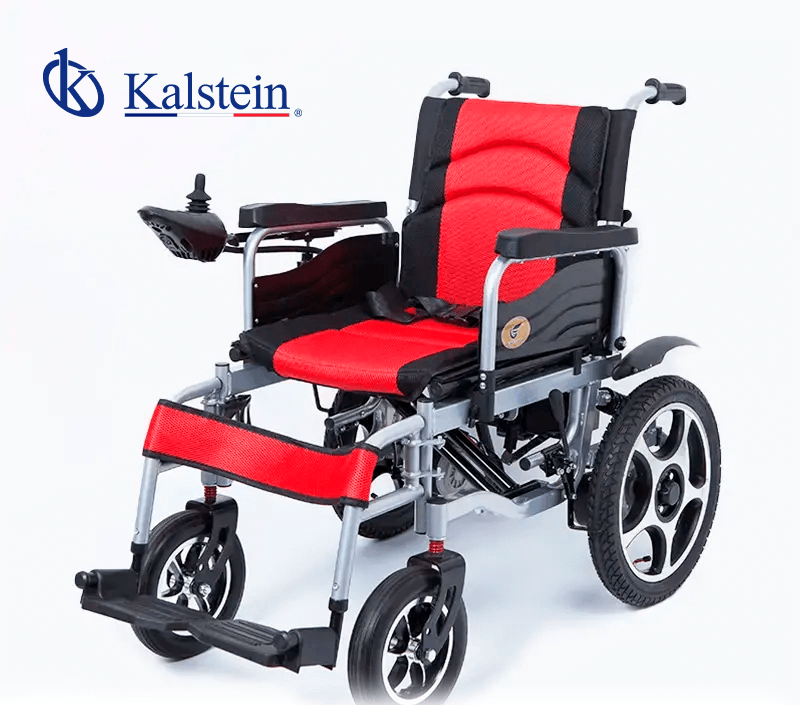
Understanding ISO/IEC Compliance for Electric Wheelchairs: What You Need to Know
In the realm of medical devices, particularly electric wheelchairs, compliance with ISO/IEC standards is crucial for ensuring safety, reliability, and efficiency. This article delves deep into the relevant ISO/IEC norms, focusing on how different models of electric wheelchairs align with these regulatory requirements. We'll explore the essential standards, evaluation processes, and the implications for users in various scenarios.
Importance of ISO/IEC Compliance in Electric Wheelchairs
ISO/IEC compliance is vital in the manufacturing and operation of electric wheelchairs. Adhering to these standards ensures that the devices are safe for users, functioning correctly under prescribed conditions, and effectively managing risks associated with mobility devices. Compliance helps manufacturers meet legal requirements, fosters consumer confidence, and ultimately enhances user experience.
Key ISO/IEC Standards Relevant to Electric Wheelchairs
Several ISO/IEC standards govern the design, performance, and safety of electric wheelchairs. Notable among them are:
- ISO 13485: This standard specifies requirements for a quality management system where an organization must demonstrate its ability to provide medical devices and related services.
- IEC 60601: This standard outlines the general requirements for basic safety and essential performance of medical electrical equipment.
- ISO 7176: This series covers the general requirements and tests for wheelchairs, including electric ones, focusing on safety and performance.
Auditing and Documentation for Compliance
Regular audits are essential for maintaining ISO/IEC compliance. Organizations must keep exhaustive documentation, including design records, testing results, and management reviews. This documentation not only demonstrates compliance but also guides improvements in quality management processes.
Traceability in Electric Wheelchair Manufacturing
Traceability is a critical component of compliance. Each wheelchair model must have a clear path of documentation from design through production to delivery. This practice not only aids in compliance but also helps in managing recalls and addressing customer concerns effectively.
Comparison of Available Models
| Model | ISO/IEC Clauses Covered | Traceability Features | Best For |
|---|---|---|---|
| YR05440 | ISO 13485, IEC 60601 | Digital tracking system | Lightweight transport |
| YR05441 | ISO 7176 | Documentation for components | Adjustable settings |
| YR05442 | IEC 60601 | Complete manufacturing logs | Rugged terrain |
| YR05443 | ISO 13485 | Real-time tracking | Portable usage |
| YR05444 | ISO 7176 | Quality control checks | Bluetooth control |
| YR05445 | IEC 60601 | Component traceability | Smart braking system |
Common Mistakes and How to Avoid Them
One common mistake in compliance is overlooking the importance of documentation. Manufacturers should ensure that every stage of the production process is documented thoroughly to avoid issues during audits. Additionally, failing to conduct regular training for staff on compliance protocols can lead to lapses in quality. Regular updates and refresher courses can mitigate this risk.
Frequently Asked Questions
What are the specific ISO standards for electric wheelchairs?
The specific ISO standards for electric wheelchairs include ISO 13485 for quality management and IEC 60601 for safety and performance. These are critical for models like YR05440 and YR05441 to ensure they meet regulatory requirements.
How does compliance impact the usability of electric wheelchairs?
Compliance ensures that electric wheelchairs like the YR05444 are safe and reliable for users, improving functionality and overall user experience. Regulatory adherence can enhance mobility safety and comfort.
What documentation is necessary for ISO compliance in electric wheelchairs?
Documentation for ISO compliance includes design records, test results, and quality management reviews. Models such as YR05442 maintain extensive logs to facilitate this compliance process.
How often should electric wheelchairs be audited for compliance?
Electric wheelchairs should undergo compliance audits at least annually. Regular audits help ensure ongoing adherence to standards like IEC 60601, affecting models such as YR05445.
What are the consequences of non-compliance in electric wheelchair manufacturing?
Non-compliance can lead to legal penalties, product recalls, and loss of market trust. It is crucial for manufacturers of models like YR05443 to adhere to ISO standards to avoid these issues.
How can manufacturers ensure traceability in electric wheelchair production?
Manufacturers can ensure traceability by implementing a digital tracking system for all components and processes. This is particularly effective for models like YR05440, which utilize advanced manufacturing techniques.
What role does user feedback play in maintaining compliance for electric wheelchairs?
User feedback is essential in identifying areas for improvement and ensuring models like YR05441 meet user needs and compliance standards. Engaging users can enhance product safety and functionality.
What is the maximum load capacity for compliant electric wheelchairs?
The maximum load capacity for compliant electric wheelchairs varies by model. For instance, the YR05442 can support up to 200KG, ensuring safety and compliance with ISO standards.
If you are looking for a fusion of innovation and quality, you have come to the right place. At Kalstein, we offer you the luxury of exploring our exclusive catalog of laboratory equipment. We manufacture every device to the highest standards of excellence. Our intuitive and seamless online purchasing channels are designed for your convenience, securing the most competitive prices. Hesitate no longer — we bring science to life, it is time to become part of our community.