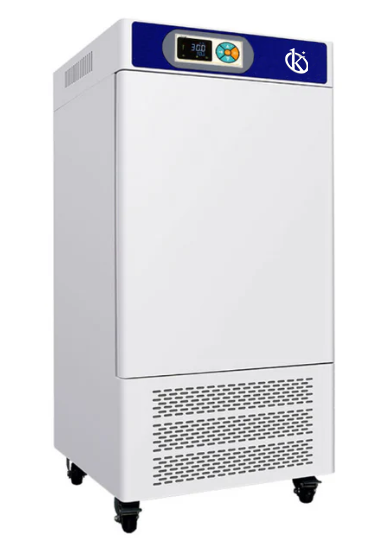
ISO/IEC Compliance and Regulatory Standards in Constant Temperature and Humidity Incubators
In the world of laboratory equipment, ensuring compliance with ISO/IEC standards is paramount. Constant Temperature and Humidity Incubators play a crucial role in various scientific and medical applications, serving as controlled environments for sensitive processes. This article delves into how these incubators—specifically the models YR02053, YR02054, and YR02055—meet stringent regulatory requirements, their specifications, and their applications in laboratories. Understanding these factors not only enhances operational efficiency but also ensures adherence to international standards, which is essential for quality assurance and risk management.
Understanding ISO/IEC Standards for Laboratory Equipment
ISO (International Organization for Standardization) and IEC (International Electrotechnical Commission) provide frameworks that govern the safety, reliability, and performance of laboratory equipment. For instance, ISO 17025 outlines the requirements for testing and calibration laboratories, ensuring they operate competently and generate valid results. Compliance with this standard signifies a laboratory's commitment to quality and precision.
The standards relevant to Constant Temperature and Humidity Incubators include:
- ISO 17025: Focuses on the competence of testing and calibration laboratories.
- IEC 61010: Pertains to safety requirements for electrical equipment used in measurement, control, and laboratory use.
- ISO 15189: Specifies requirements for quality and competence in medical laboratories.
Comparison of Available Models
| Model | Temperature Range (°C) | Precision (°C) | Best for | Price (USD) |
|---|---|---|---|---|
| YR02053 | 0 ~ 60 | ± 0.1 | Environmental protection, medical applications | 1010.00 |
| YR02054 | 0 ~ 60 | ± 0.1 | Aquaculture, drug testing | 1140.00 |
| YR02055 | 0 ~ 60 | ± 0.1 | Biological engineering, water analysis | 1430.00 |
How Each Model Addresses Compliance Standards
Each model of the Constant Temperature and Humidity Incubator is designed to meet specific regulatory requirements. The YR02053, for example, is ideal for environmental protection and medical applications, presenting features that ensure compliance with ISO 17025 by maintaining precise temperature control. It offers an internal chamber made of mirror stainless steel, essential for sterilization compliance and safety.
The YR02054 excels in aquaculture and drug testing, utilizing a dual-door design that enhances safety while ensuring compliance with IEC 61010, which emphasizes safety in electrical laboratory equipment. Its built-in humidifier also helps maintain consistent humidity levels, necessary for meeting certain ISO requirements.
Finally, the YR02055 is best suited for biological engineering and water analysis, supporting laboratories in adhering to ISO 15189 by ensuring high-quality results through its precision and stability in environmental conditions. The automatic defrost feature and magnetic door seal further enhance its compliance capabilities.
Documentation Requirements for Compliance
Maintaining compliance with ISO/IEC standards necessitates meticulous documentation. Laboratories must keep records of calibrations, maintenance logs, and validation of incubators. Each model's operational manual should detail calibration procedures and maintenance schedules to ensure continuous compliance. For instance, the YR02053’s manual outlines the necessary calibration frequency to maintain its ± 0.1°C precision, essential for ISO 17025 adherence.
Additionally, laboratories must document training for personnel operating these incubators, ensuring they are aware of the standards and protocols necessary for compliance. A comprehensive audit checklist can assist in assessing the readiness of an incubator for compliance audits.
Common Mistakes and How to Avoid Them
Laboratories often make critical errors regarding compliance with ISO/IEC standards. A frequent oversight is neglecting regular calibration of incubators. For example, failing to calibrate the YR02054 can lead to inaccurate temperature readings, jeopardizing compliance with ISO 17025. It is essential to establish a strict calibration schedule.
Another common mistake is inadequate documentation. Laboratories should ensure that all records, including maintenance logs for the YR02055, are meticulously kept and easily accessible, as auditors will review these documents to verify compliance.
Finally, laboratories sometimes overlook staff training. To mitigate this risk, regular training sessions should be scheduled to ensure all users are familiar with the particular regulatory requirements associated with models like the YR02053.
Integrating Quality Assurance and Compliance in Lab Operations
Quality assurance (QA) is integral to maintaining compliance with ISO/IEC standards. Implementing a QA program that includes regular assessments of incubator performance can help identify areas needing improvement. For instance, utilizing statistical process control (SPC) can monitor the temperature and humidity levels in real-time for the YR02054, ensuring regulatory requirements are consistently met.
Additionally, laboratories should conduct internal audits to evaluate compliance with the standards and identify non-conformities. This proactive approach not only ensures adherence to ISO/IEC standards but also enhances overall laboratory efficiency.
Frequently Asked Questions
What are the key ISO standards that apply to constant temperature and humidity incubators?
The key ISO standards that pertain to constant temperature and humidity incubators include ISO 17025, which outlines the general requirements for the competence of testing and calibration laboratories, and IEC 61010, which provides safety requirements for electrical equipment. Compliance with these standards is vital for ensuring reliable laboratory results and safe operation.
How can I ensure that my constant temperature and humidity incubator is ISO compliant?
To ensure that your constant temperature and humidity incubator is ISO compliant, such as the YR02053, you should maintain rigorous documentation of calibration and maintenance, adhere to proper operational procedures, and train staff on compliance requirements. Regular audits will also help in identifying any lapses in compliance.
What benefits does ISO 15189 certification offer for laboratories using incubators?
ISO 15189 certification offers benefits such as improved quality of laboratory services, enhanced credibility, and increased patient safety. By using incubators like the YR02055 that meet these standards, laboratories can ensure high-quality results that are critical for medical diagnostics and research.
How do constant temperature and humidity incubators support environmental protection initiatives?
Constant temperature and humidity incubators, like the YR02054, support environmental protection initiatives by providing controlled environments for research on ecological sustainability and pollution reduction. Their precise control systems enable researchers to conduct experiments that require stringent environmental conditions.
What is the average lifespan of a compliant constant temperature and humidity incubator?
The average lifespan of a compliant constant temperature and humidity incubator can range from 10 to 15 years, depending on usage and maintenance practices. Regular calibration and adherence to ISO standards can extend the lifespan and ensure consistent performance throughout its operational life.
How do I choose the right model of incubator for my laboratory's needs?
Choosing the right incubator requires assessing your laboratory's specific needs, such as the temperature range, precision, and intended applications. Models like YR02053, YR02054, and YR02055 each serve different purposes; hence, understanding your laboratory’s objectives will guide your decision.
What are the common calibration requirements for incubators in laboratories?
Common calibration requirements for incubators in laboratories include regular checks of temperature and humidity levels, typically every six months, to ensure accuracy within specified limits. Models like the YR02054 require documentation of these calibrations to maintain compliance with ISO standards.
How do incubators help in maintaining compliance during audits?
Incubators help in maintaining compliance during audits by providing consistent environmental conditions that meet regulatory requirements. By using models such as the YR02053, which are designed with features that support compliance, laboratories can provide credible documentation and data during audit processes.
If you are looking for a fusion of innovation and quality, you have come to the right place. At Kalstein, we offer you the luxury of exploring our exclusive catalog of laboratory equipment. We manufacture every device to the highest standards of excellence. Our intuitive and seamless online purchasing channels are designed for your convenience, securing the most competitive prices. Hesitate no longer — we bring science to life, it is time to become part of our community.