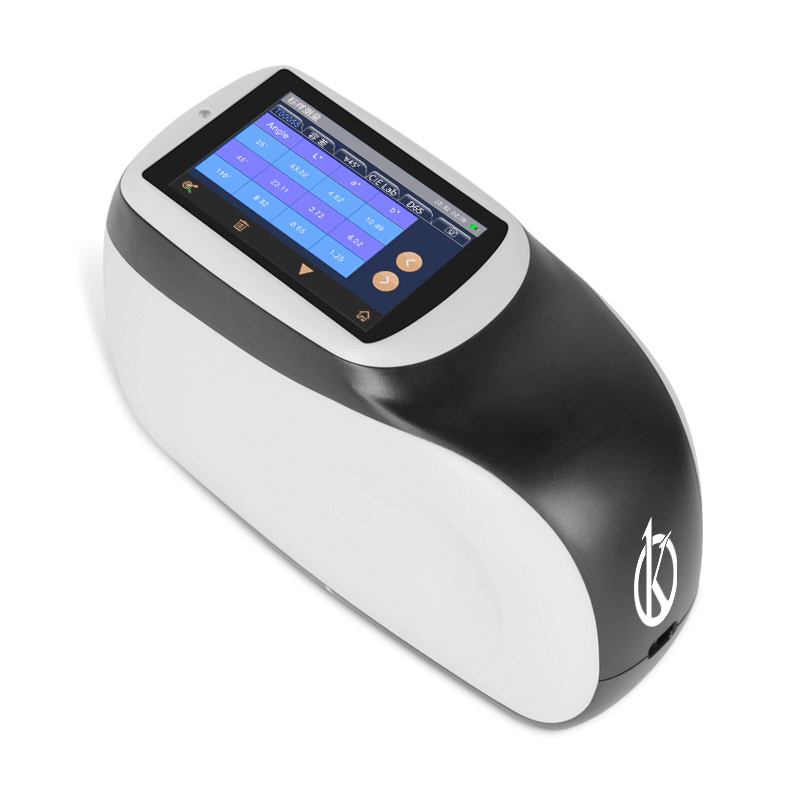
How to Ensure ISO/IEC Compliance with Multiangle Spectrophotometers
In modern laboratory environments, ensuring ISO/IEC compliance is critical for maintaining quality and operational standards. Multiangle spectrophotometers play a significant role in achieving these standards, particularly in color measurement applications. This article delves into the technical specifications, regulatory compliance requirements, and best practices for utilizing multiangle spectrophotometers effectively.
Understanding ISO/IEC Norms and Compliance in Laboratories
The ISO 17025 standard addresses the competence of testing and calibration laboratories, emphasizing the need for quality management systems and technical proficiency. Multiangle spectrophotometers, such as the YR05491 and YR05492 models, are designed to meet these stringent requirements through precise color measurement capabilities. Compliance with these standards not only enhances the reliability of test results but also boosts the laboratory’s reputation.
Comparison of Available Models
| Model | ISO/IEC Clauses Covered | Traceability Features | Best For |
|---|---|---|---|
| YR05491 | ISO 7724, ASTM D 2244 | Integrated calibration history | Advanced color measurement |
| YR05492 | ISO 11664-4 | Automated traceability logs | High accuracy applications |
| YR05488 | ISO 7724 | Manual calibration tracking | Basic color evaluations |
| YR05489 | ISO 11664-4 | Standard calibration methods | General color analysis |
| YR05490 | ISO 7724 | Customizable traceability | Flexible laboratory environments |
Key ISO/IEC Norms Relevant to Multiangle Spectrophotometers
ISO 17025 and ISO 11664-4 are particularly relevant for laboratories utilizing multiangle spectrophotometers. ISO 17025 focuses on the reliability of test results and the technical competence of laboratories, while ISO 11664-4 details the specifications for color measurement. Adhering to these norms ensures that the measurements taken are accurate and repeatable, which is essential for quality control in color-critical industries.
Implementing Documentation Requirements for Compliance
Documentation is a cornerstone of ISO/IEC compliance. Laboratories must maintain comprehensive records of their calibration processes and test results. Each model, such as the YR05491, provides features that facilitate this documentation. For instance, logs for calibration and test results can be automatically generated, ensuring that all necessary records are available for audits and assessments.
Traceability in Measurement: The Backbone of Compliance
Traceability in measurement is vital for compliance with ISO/IEC standards. Multiangle spectrophotometers like the YR05492 come equipped with advanced traceability features that log calibration data and measurement results. This automated approach simplifies the compliance process, allowing laboratories to easily track their measurement history and demonstrate adherence to regulatory requirements.
Common Mistakes and How to Avoid Them
One of the most common mistakes laboratories make is neglecting the calibration of their spectrophotometers. Regular calibration is essential to ensure compliance with ISO 17025 standards. Additionally, failing to document calibration activities can lead to noncompliance during audits. To avoid these pitfalls, laboratories should establish a rigorous calibration schedule and maintain detailed records of each calibration session.
Best Practices for Achieving Compliance
To effectively achieve ISO/IEC compliance, laboratories should adopt several best practices. Regular training for staff on compliance and quality management practices is essential. Furthermore, conducting periodic internal audits can help identify areas for improvement. Utilizing models like the YR05488, which support advanced color measurement capabilities, can further enhance compliance efforts.
Frequently Asked Questions
How do multiangle spectrophotometers support ISO 17025 compliance?
Multiangle spectrophotometers, such as the YR05491, support ISO 17025 compliance by providing precise and repeatable color measurements, which are critical for quality management systems. Regular calibration and comprehensive documentation help maintain adherence to this standard.
What are the key features of YR05492 that aid regulatory compliance?
The YR05492 model offers automated traceability logs and advanced calibration features that simplify compliance with regulations such as ISO 11664-4. These features ensure that all test results are accurately recorded and easily accessible for audits.
In what scenarios is the YR05488 multiangle spectrophotometer recommended?
The YR05488 is recommended for basic color evaluations in laboratories where ISO compliance is required but advanced features are not necessary. Its straightforward calibration process allows for effective compliance with standards like ISO 7724.
How can laboratories ensure accurate color measurements with these spectrophotometers?
To ensure accurate color measurements, laboratories should follow a strict calibration schedule using models like the YR05490. Regular calibration against standard references and maintaining documentation are crucial for compliance and reliability.
What documentation is needed for compliance with ISO standards?
Laboratories must maintain detailed documentation of calibration activities and measurement results. Multiangle spectrophotometers like the YR05491 facilitate this by providing automatic logs, ensuring compliance with ISO 17025 and other relevant standards.
Which multiangle spectrophotometer is best for advanced color measurement?
The YR05492 is regarded as the best for advanced color measurement due to its superior optical measurement system and high stability. This model meets various ISO standards, ensuring compliance in demanding applications.
How often should multiangle spectrophotometers be calibrated for compliance?
Calibration frequency depends on usage and regulatory requirements but is typically recommended every 6-12 months. Models like the YR05488 provide easy calibration processes to maintain compliance with ISO standards.
What role do standard operating procedures play in compliance?
Standard operating procedures (SOPs) are essential for ensuring that all laboratory processes, including the use of multiangle spectrophotometers, are performed consistently and in accordance with ISO standards. This consistency is key to maintaining quality and compliance.
If you are looking for a fusion of innovation and quality, you have come to the right place. At Kalstein, we offer you the luxury of exploring our exclusive catalog of laboratory equipment. We manufacture every device to the highest standards of excellence. Our intuitive and seamless online purchasing channels are designed for your convenience, securing the most competitive prices. Hesitate no longer — we bring science to life, it is time to become part of our community.