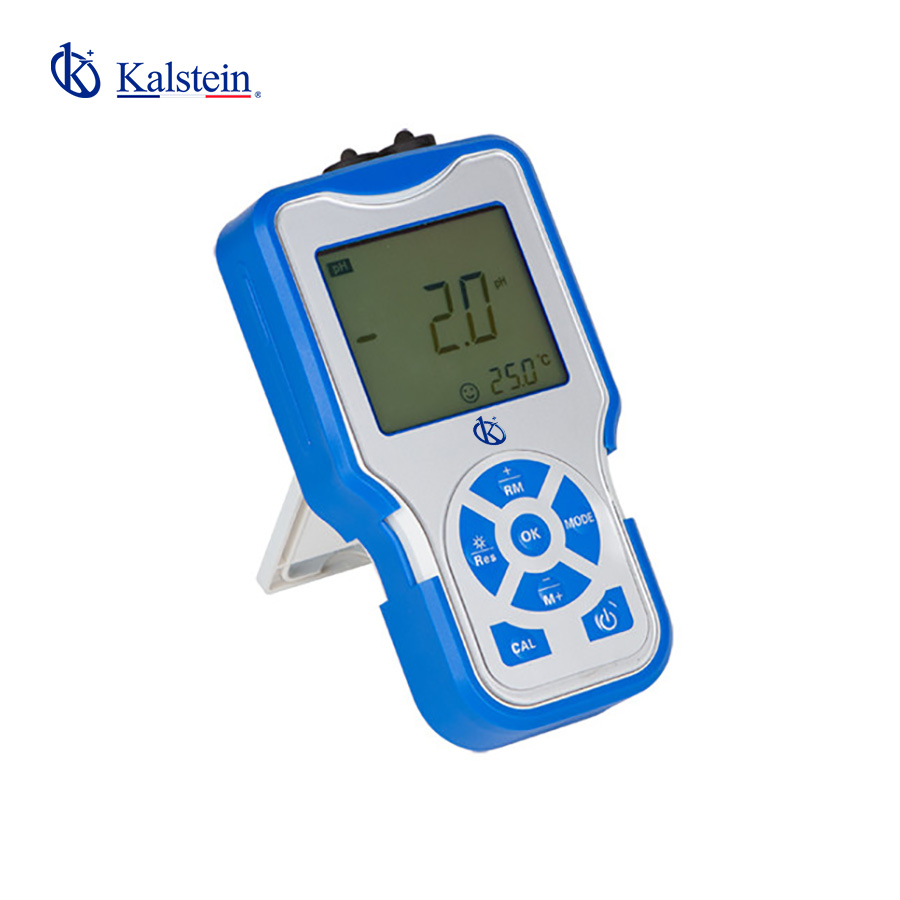
How to Ensure ISO/IEC Compliance with Portable Ion Meters in Laboratories
In today's laboratory environment, regulatory compliance is crucial for maintaining quality and reliability. Portable ion meters play a vital role in ensuring that laboratories adhere to ISO/IEC standards. This article will explore how various models of portable ion meters can help laboratories meet these regulations, focusing on their features and specifications that align with ISO/IEC requirements.
The Importance of ISO/IEC Compliance in Laboratories
ISO/IEC standards are essential for laboratories to demonstrate their competency and ensure consistent results. Compliance with standards such as ISO 17025 and ISO 15189 is not just a regulatory requirement but also enhances the credibility of the laboratory. Achieving compliance involves rigorous documentation, calibration, and quality assurance processes, which portable ion meters can facilitate.
Key ISO/IEC Standards Relevant to Portable Ion Meters
Several ISO/IEC standards are particularly relevant to the operation of portable ion meters. ISO 17025, for example, sets the requirements for the competence of testing and calibration laboratories. It emphasizes the importance of equipment calibration and traceability, which portable ion meters can provide. Understanding these standards is crucial for laboratory professionals aiming to maintain compliance.
Features of Portable Ion Meters that Aid in Compliance
Portable ion meters come equipped with various features that support ISO/IEC compliance. These include multi-point calibration, traceability of measurements, and automatic diagnostics. Such features ensure that measurements are accurate and reliable, fulfilling the requirements outlined in ISO 17025. Additionally, the ability to select measurement units and concentration levels allows laboratories to comply with specific testing requirements.
Comparison of Available Models
| Model | ISO/IEC Clauses Covered | Traceability Features | Best For |
|---|---|---|---|
| YR01816 | ISO 17025 | 2-5 point calibration, automatic diagnostics | General laboratory use |
| YR01817-1 | ISO 17025 | 2-5 point calibration, selectable concentration units | Field testing of ammonium levels |
| YR01817-10 | ISO 17025 | Multi-point calibration, temperature compensation | High precision requirements |
| YR01817-11 | ISO 15189 | Automatic diagnostics, multiple concentration units | Clinical testing applications |
| YR01817-12 | ISO 15189 | 2-5 point calibration, temperature compensation | Environmental testing |
| YR01817-13 | ISO 17025 | Comprehensive calibration options, diagnostic features | Advanced research applications |
Common Mistakes and How to Avoid Them
Laboratory professionals often make common mistakes when it comes to ensuring ISO/IEC compliance. One major error is inadequate calibration of portable ion meters. To avoid this, it is essential to establish a regular calibration schedule according to the manufacturer’s specifications and relevant standards. Also, failing to document calibration results can lead to compliance issues; therefore, maintaining detailed records is crucial.
Calibration Procedures and Best Practices for Portable Ion Meters
Proper calibration procedures are fundamental for achieving compliance with ISO/IEC standards. Laboratories should follow a systematic approach that includes selecting appropriate calibration standards, verifying the performance of the ion meter, and recording all calibration data. Utilizing models like YR01816 and YR01817-1 can greatly simplify this process with their built-in calibration features.
Impact of Compliance on Laboratory Operations
Maintaining compliance with ISO/IEC standards can significantly impact laboratory operations. Compliance ensures consistent test results, which improves customer trust and satisfaction. It also minimizes the risk of costly mistakes or errors that can arise from non-compliance. Laboratories equipped with portable ion meters that facilitate compliance can streamline their processes and enhance overall productivity.
Frequently Asked Questions
How can portable ion meters help meet ISO 17025 requirements?
Portable ion meters like the YR01816 support ISO 17025 compliance by offering features such as multi-point calibration and automatic diagnostics, ensuring accurate and traceable measurements that align with the standard's requirements.
Which portable ion meter is best for environmental testing compliance?
The YR01817-12 is ideal for environmental testing as it offers comprehensive calibration options and temperature compensation features, helping laboratories meet ISO 15189 standards effectively.
What are the key features to look for in a portable ion meter for laboratory compliance?
When selecting a portable ion meter for compliance, consider models like YR01817-1, which provide multi-point calibration, traceability features, and the ability to select concentration units, all essential for meeting ISO/IEC standards.
How often should portable ion meters be calibrated for ISO/IEC compliance?
Calibration frequency for portable ion meters should align with the manufacturer's recommendations and ISO 17025 guidelines, typically requiring calibration every 6 to 12 months to ensure compliance and accuracy in testing.
What documentation is required for ISO 17025 compliance in laboratories?
Documentation for ISO 17025 compliance must include calibration records, standard operating procedures, and maintenance logs. Using portable ion meters like YR01817-10 can simplify record-keeping with their automatic diagnostics features.
How can I ensure traceability with portable ion meters?
To ensure traceability with portable ion meters, choose models such as YR01816 that offer multiple calibration options and detailed diagnostic features, allowing for accurate tracking of measurement standards as required by ISO/IEC guidelines.
What role does temperature compensation play in portable ion meter compliance?
Temperature compensation is crucial for compliance as it ensures accuracy in measurements across varying environmental conditions. Models like the YR01817-1 provide this feature, making them suitable for compliant laboratory applications.
How to maintain my portable ion meter for continuous compliance?
Regular maintenance includes following a calibration schedule, cleaning the electrodes, and performing diagnostics as suggested by the manufacturer. This is essential for models like YR01817-11 to maintain compliance with ISO 15189 standards.
If you are looking for a fusion of innovation and quality, you have come to the right place. At Kalstein, we offer you the luxury of exploring our exclusive catalog of laboratory equipment. We manufacture every device to the highest standards of excellence. Our intuitive and seamless online purchasing channels are designed for your convenience, securing the most competitive prices. Hesitate no longer — we bring science to life, it is time to become part of our community.