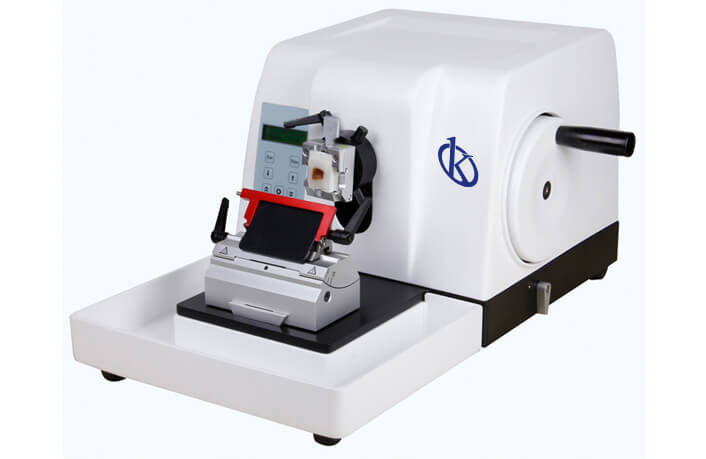
ISO/IEC Compliance and Regulatory Standards in Microtomes: A Comprehensive Analysis
In laboratory settings, adherence to ISO/IEC standards is crucial for ensuring the quality and reliability of results. Microtomes play an essential role in histopathology, and their compliance with these regulations is paramount. This article focuses on the importance of ISO/IEC compliance in the Microtome Series, highlighting key models and their specific features that align with industry standards.
Understanding ISO/IEC Standards Relevant to Microtomes
ISO/IEC standards provide a framework for laboratories to maintain consistency, quality, and safety in their operations. For microtomes, two critical standards come into focus: ISO 17025 and ISO 15189. ISO 17025 specifies the general requirements for the competence of testing and calibration laboratories, ensuring that the equipment used, such as microtomes, meets specific performance and reliability standards. ISO 15189 focuses on the quality and competence of medical laboratories, emphasizing the need for accurate and reproducible results in histopathology.
Compliance with these standards involves rigorous documentation, quality control measures, and regular calibration, all of which can be facilitated by advanced microtome models.
How Microtomes Help Meet ISO/IEC Standards
The design and functionality of each microtome model can significantly impact compliance with ISO/IEC standards. For instance, features such as precise cutting capabilities, user-friendly interfaces, and robust safety mechanisms contribute to the overall integrity of the histological process. By utilizing models like the Semi-automatic Rotary Microtome YR416 and the Microtome Handbook YR417, laboratories can ensure they are aligning with these crucial standards.
Comparison of Available Models
| Model | ISO/IEC Clauses Covered | Traceability Features | Best For |
|---|---|---|---|
| YR417-1 | ISO 17025 | High precision cutting | General histopathology |
| YR416 | ISO 15189 | Cutting reproducibility | Multi-use applications |
| YR417 | ISO 17025 | Quality sectioning | Research and quality control |
| YR420 | ISO 15189 | High quality sections | Histological analysis |
| YR421 | ISO 15189 | Stable performance | Pathological studies |
| YR422 | ISO 17025 | Uniform slicing | Laboratory diagnostics |
Documentation Requirements for Compliance
Effective documentation is a critical component in achieving ISO/IEC compliance. Laboratories must maintain detailed records of equipment calibration, maintenance, and operational procedures. Each microtome model, such as the YR420, provides essential documentation features that facilitate this process. Regularly updated maintenance logs and operational protocols help demonstrate compliance during audits and inspections.
Furthermore, utilizing a standardized template for documenting cutting parameters and sectioning results enhances traceability and accountability in laboratory operations.
Audit Checklist for Microtome Compliance
Conducting audits is vital to ensure ongoing compliance with ISO/IEC standards. A detailed checklist for microtome compliance should include:
- Verification of calibration records.
- Assessment of performance against ISO/IEC standards.
- Review of maintenance logs and operational procedures.
- Evaluation of staff training records on microtome operation.
By systematically following this checklist, laboratories can identify areas needing improvement to maintain compliance.
Common Mistakes and How to Avoid Them
Some laboratories fall short of compliance due to common pitfalls, such as inadequate training, improper maintenance schedules, and lack of documentation. Ensuring that all personnel are adequately trained on the specific microtome model they operate, such as the Semi-automatic Rotary Microtome YR416, can mitigate these risks. Additionally, establishing a clear maintenance and calibration schedule for each model can prevent deviations from compliance.
Frequency of Calibration for Compliance
Calibration frequency is also essential in maintaining compliance with ISO/IEC standards. Recommendations typically suggest calibrating microtomes at least monthly, or more frequently based on usage. For instance, the Microtome Handbook YR417 may require more frequent checks in high-throughput environments. Implementing a structured calibration schedule ensures accurate and reliable operation, which is crucial for compliance.
Frequently Asked Questions
What are the ISO/IEC standards required for microtomes in histopathology labs?
The primary ISO/IEC standards required for microtomes in histopathology labs are ISO 17025 and ISO 15189. These standards ensure the accuracy and reliability of testing methods. Models like the Semi-automatic Rotary Microtome YR416 are designed to comply with these standards, providing high precision and reproducibility in sectioning.
How does the YR417 comply with ISO 17025 requirements?
The YR417 complies with ISO 17025 by integrating features such as precise cutting mechanisms and the ability to maintain accurate calibration records, which are essential for ensuring quality results in laboratory testing.
What types of documentation are necessary for ISO compliance with microtomes?
Essential documentation for ISO compliance with microtomes includes calibration records, maintenance logs, and operational protocols. The Microtome Handbook YR420 provides features to facilitate these documentation processes, ensuring compliance with ISO standards.
Which microtome model is best for adhering to ISO 15189?
The Semi-automatic Rotary Microtome YR416 is an excellent choice for adhering to ISO 15189 due to its reliable performance and ability to produce high-quality sections, which is critical for medical laboratories.
How often should microtomes be calibrated for compliance?
Microtomes should generally be calibrated at least monthly to maintain compliance with ISO standards. For instance, the YR421 may require frequent calibrations in high-utilization scenarios to ensure consistent performance and compliance.
What are common mistakes in using microtomes for regulatory compliance?
Common mistakes include inadequate training of operators, failure to document calibration and maintenance, and neglecting to perform regular audits. Implementing thorough training protocols for models like the Rotating Microtome YR422 can minimize these errors.
How can I ensure traceability in microtome operation?
To ensure traceability in microtome operations, maintain detailed records of cutting parameters and sectioning results. Models such as the YR417 facilitate this process through user-friendly documentation features, enhancing compliance with ISO standards.
What benefits can I expect from using compliant microtomes in my lab?
Using compliant microtomes, like the Microtome Handbook YR420, ensures high-quality results, minimizes errors, and enhances laboratory credibility. Compliance with ISO standards also facilitates easier audits and improves laboratory reputation.
If you are looking for a fusion of innovation and quality, you have come to the right place. At Kalstein, we offer you the luxury of exploring our exclusive catalog of laboratory equipment. We manufacture every device to the highest standards of excellence. Our intuitive and seamless online purchasing channels are designed for your convenience, securing the most competitive prices. Hesitate no longer — we bring science to life, it is time to become part of our community.