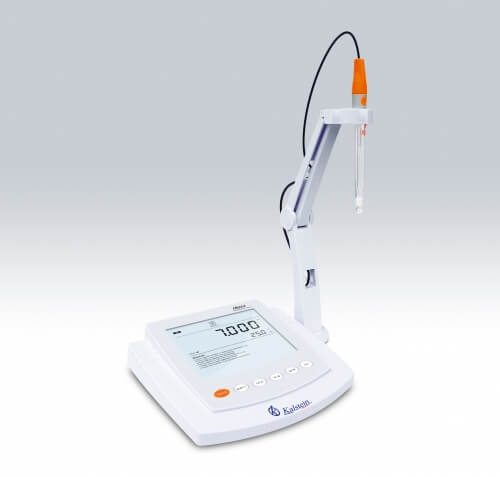
ISO/IEC Compliance in Laboratory Settings: A Focus on Table Conductivity Controllers
As laboratories strive for excellence and reliability, compliance with ISO/IEC standards becomes paramount. These international standards ensure that laboratory processes meet quality, safety, and efficiency benchmarks. In the realm of conductivity measurement, table conductivity controllers play a crucial role in achieving compliance with regulations such as ISO 17025 and IEC 61010. This article aims to delve into how these devices fulfill regulatory requirements, ensuring laboratories maintain high operational standards while optimizing their workflow.
Understanding ISO/IEC Standards Relevant to Conductivity Measurement
ISO/IEC standards provide a framework for laboratories to operate effectively while ensuring quality and safety. ISO 17025, which specifies the general requirements for the competence of testing and calibration laboratories, is particularly relevant. Compliance with this standard involves implementation of a quality management system, proper equipment calibration, and thorough documentation. IEC 61010 addresses safety requirements for electrical equipment, emphasizing the safe operation of instruments used in laboratories.
Key Regulatory Compliance Aspects for Table Conductivity Controllers
Table conductivity controllers must adhere to specific regulatory requirements to ensure accurate and reliable measurements. Compliance with ISO 17025 includes maintaining traceability of measurements, which is accomplished through regular calibration against standardized references. The devices also need to have features that enhance usability and safety, as outlined in IEC 61010, such as overload protection and user-friendly interfaces.
Detailed Analysis of ISO/IEC Compliance Through Table Conductivity Controllers
Each model of table conductivity controllers offers unique capabilities that cater to compliance standards. For instance, models like the Desktop pH/Conductivity Meter YR01836-1 provide extensive calibration options and automatic electrode diagnostics to ensure accuracy. Other models like the Desktop Conductivity Meter YR01829-2 are equipped with advanced temperature compensation features, which are essential in adhering to the accuracy requirements set forth by ISO standards.
Comparison of Available Models
| Model | ISO/IEC Clauses Covered | Traceability Features | Best For |
|---|---|---|---|
| YR01836-1 | ISO 17025, IEC 61010 | Automatic Calibration, Diagnostic Display | Complex Testing Procedures |
| YR01836 | ISO 17025 | Automatic Electrode Recognition | Routine Laboratory Testing |
| YR01829-1 | ISO 17025 | Temperature Compensation | Standard Testing |
| YR01829-2 | ISO 17025 | Temperature Adjustment | Daily Quality Control |
| YR01829 | ISO 17025, IEC 61010 | Intelligent Electrode Status Display | High-Throughput Labs |
| YR01828 | ISO 17025 | Wireless Data Transfer | Remote Monitoring |
Common Mistakes and How to Avoid Them
In striving for ISO/IEC compliance, laboratories often make several common mistakes. One frequent error is neglecting regular calibration of equipment, which can lead to inaccurate results. It’s essential to establish a calibration schedule that aligns with ISO 17025 requirements, ensuring that devices like the Desktop pH/Conductivity Meter YR01836-1 are routinely checked against standard references. Additionally, proper training for laboratory personnel is crucial to ensure that they are familiar with the safety features and functionalities of each conductivity controller.
How Each Model Supports Regulatory Compliance
Every model discussed plays a role in supporting laboratories in meeting regulatory compliance. The Desktop Conductivity Meter YR01829, for example, includes features for automatic temperature compensation, which aligns with the accuracy requirements of ISO standards. Furthermore, models like the Desktop pH/Conductivity Meter YR01836 provide advanced diagnostic capabilities, allowing users to quickly identify and rectify potential issues that could affect compliance.
Frequently Asked Questions
What are the key features of ISO 17025 compliant table conductivity controllers?
ISO 17025 compliant table conductivity controllers like the YR01836-1 feature automatic calibration, temperature compensation, and diagnostic displays. These features ensure accuracy and reliability, vital for compliance with international standards.
How does regular calibration help maintain compliance with IEC 61010 standards?
Regular calibration ensures that table conductivity controllers meet the safety requirements outlined in IEC 61010. For instance, the YR01829-2 offers automatic temperature compensation, enhancing measurement safety and reliability.
Which conductivity meter model is best for achieving ISO compliance in high-throughput labs?
The Desktop Conductivity Meter YR01829 is ideal for high-throughput labs due to its advanced features like intelligent electrode status display, helping maintain ISO compliance while managing large volumes of tests efficiently.
How can I ensure traceability in my conductivity measurements?
Traceability in conductivity measurements can be ensured using meters like the YR01836-1, which features automatic calibration and diagnostic displays, ensuring compliance with ISO 17025 requirements for accurate measurements.
What are the common pitfalls when using table conductivity controllers in laboratories?
Common pitfalls include neglecting regular calibration and failing to train personnel on device functionalities. Avoid these by employing a strict calibration schedule for models like the YR01828 and ensuring staff training.
How does temperature compensation impact measurement accuracy for conductivity meters?
Temperature compensation is vital for measurement accuracy. Models like the YR01829-2 automatically adjust readings based on temperature variations, which is crucial for compliance with ISO standards.
What features should I look for in a conductivity controller to meet regulatory standards?
Look for automatic calibration, temperature compensation, and diagnostic capabilities. The YR01836 provides these features, ensuring compliance with ISO 17025 and enhancing measurement reliability.
How often should I calibrate my table conductivity controller for optimal compliance?
Calibration should generally occur at least once a month or before critical tests. Devices like the YR01836-1 facilitate easy calibration, helping maintain compliance with ISO 17025.
If you are looking for a fusion of innovation and quality, you have come to the right place. At Kalstein, we offer you the luxury of exploring our exclusive catalog of laboratory equipment. We manufacture every device to the highest standards of excellence. Our intuitive and seamless online purchasing channels are designed for your convenience, securing the most competitive prices. Hesitate no longer — we bring science to life, it is time to become part of our community.