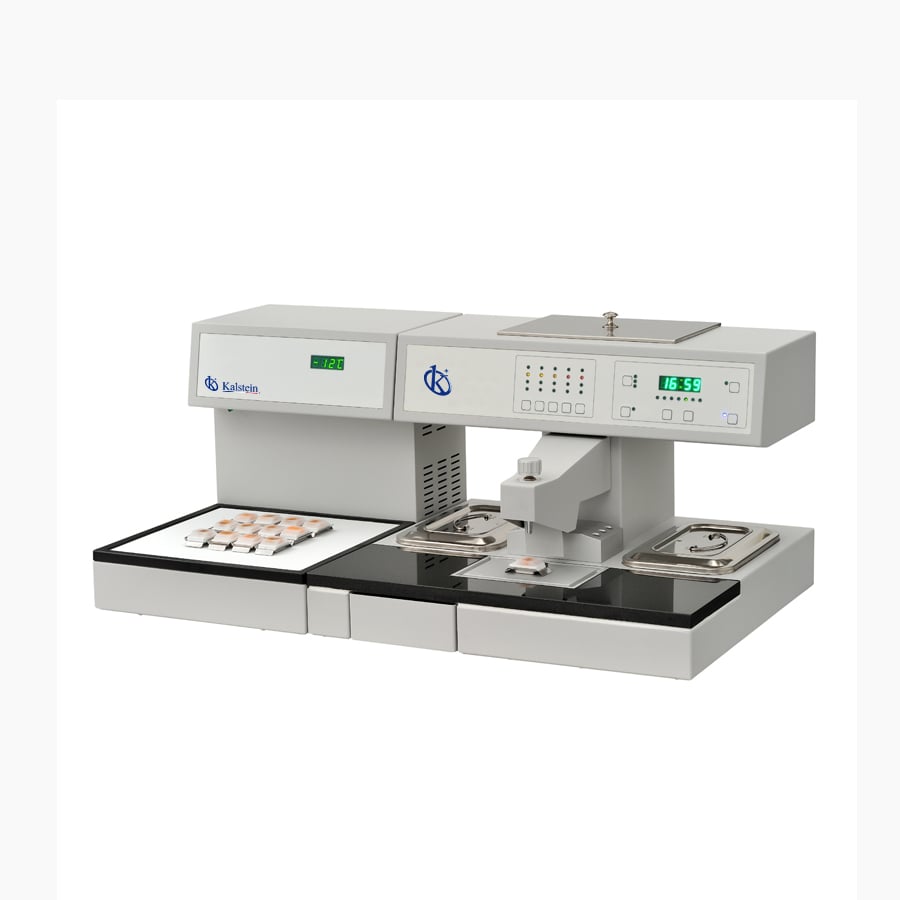
ISO/IEC Compliance in Tissue Embedding Systems: What Laboratories Need to Know
In the evolving landscape of laboratory standards, compliance with ISO and IEC regulations has become paramount for ensuring quality and reliability in tissue embedding systems. Laboratories must navigate complex regulatory frameworks to maintain their operational integrity while processing biological samples. This article delves into the critical aspects of ISO/IEC compliance specifically related to tissue embedding systems, highlighting the significance of these regulations and how various models facilitate adherence.
Understanding ISO/IEC Compliance Standards
The ISO/IEC compliance landscape provides a structured approach, ensuring that laboratory equipment, including tissue embedding systems, meets specific performance and safety standards. Key regulations such as ISO 17025, which governs testing and calibration laboratories, and ISO 15189, focused on medical laboratories, play a crucial role in guiding laboratory practices. Compliance not only enhances operational credibility but also assures clients of the quality of the results produced.
ISO 17025: Key Clauses Relevant to Tissue Embedding Systems
ISO 17025 outlines essential requirements for laboratory quality management and technical competence. For tissue embedding systems, critical clauses include:
- Management System: Laboratories must establish clear processes for equipment maintenance, calibration, and quality control.
- Document Control: Proper documentation of protocols and procedures must be maintained to ensure traceability.
- Equipment Calibration: Regular calibration of tissue embedding systems is crucial to produce accurate results.
How Tissue Embedding Systems Facilitate Compliance
Modern tissue embedding systems are designed with features that help laboratories comply with ISO/IEC standards. For instance, the Tissue Inclusion Center YR441 offers programmable settings for automatic operation, which enhances reliability in tissue processing. This model operates with precise temperature control, crucial for maintaining sample integrity, thereby supporting compliance with ISO 17025's calibration requirements.
ISO 15189: Implications for Medical Laboratories
ISO 15189 provides a framework specifically for medical laboratories, emphasizing the importance of quality and competence. Tissue embedding systems must align with various requirements of this standard, which include:
- Quality Management: Establishing a quality management system that integrates continual improvement.
- Risk Management: Identifying and mitigating risks associated with tissue processing.
- Continuous Training: Ensuring laboratory staff are trained in the use of equipment, contributing to compliance.
Comparison of Available Models
| Model | ISO/IEC Clauses Covered | Traceability Features | Best For |
|---|---|---|---|
| YR441 | ISO 17025, ISO 15189 | Programmable logs, automatic operation | High-volume processing |
| YR447 | ISO 17025 | Integrated temperature control | Energy efficiency |
| YR439 | ISO 15189 | Ergonomic design with LED controls | Comfort and accessibility |
| YR445 | ISO 17025 | Programmable operational hours | Flexibility |
| YR439-1 | ISO 15189 | Accurate temperature measurement | Large sample volumes |
| YR440B | ISO 17025 | Real-time temperature display | Sample preservation |
Documentation Requirements for Compliance
Maintaining thorough documentation is essential for ISO/IEC compliance. Laboratories must have protocols in place that detail the operation and maintenance of tissue embedding systems. Key documents include:
- Standard Operating Procedures (SOPs) outlining specific processes for equipment use.
- Calibration records to demonstrate adherence to ISO 17025 requirements.
- Training logs for personnel handling the systems.
Common Mistakes and How to Avoid Them
Laboratories often face challenges in maintaining compliance with ISO standards. Common mistakes include inadequate documentation, lack of regular training for staff, and failure to conduct timely calibrations. To avoid these pitfalls, laboratories should:
- Implement a robust training program to ensure all staff are knowledgeable about compliance requirements.
- Establish a regular schedule for equipment calibration and maintenance.
- Utilize digital tools to streamline documentation processes, ensuring all records are easily accessible and up-to-date.
Frequently Asked Questions
What ISO standards should tissue embedding systems comply with?
Tissue embedding systems should primarily comply with ISO 17025 and ISO 15189. For instance, the Tissue Inclusion Center YR441 is designed to meet these standards, ensuring accurate and reliable results in laboratory settings.
How can laboratories ensure temperature control in embedding systems?
Laboratories can ensure temperature control by using models like the YR447, which has integrated temperature measurement systems. This feature is vital for maintaining compliance with ISO standards regarding sample integrity.
Which features enhance compliance in tissue embedding systems?
Features such as programmable operations and precise temperature control enhance compliance in tissue embedding systems. For example, the YR445 offers programmable operation hours, ensuring consistent performance aligned with regulatory requirements.
Why is documentation critical for laboratory compliance?
Documentation is critical because it provides a traceable record of all laboratory practices, including equipment usage and calibration. This is essential for complying with ISO standards like ISO 17025 and is supported by systems such as the YR439.
What kind of training is needed for using tissue embedding systems?
Training should cover operational protocols, maintenance procedures, and compliance requirements specific to the models in use. For example, staff using the YR440B should be trained on its temperature monitoring features to ensure compliance with ISO standards.
How often should tissue embedding systems be calibrated?
Tissue embedding systems should be calibrated regularly, typically at least once a year, to comply with ISO 17025 requirements. Models like the YR439-1 have features that facilitate easy calibration and monitoring.
Can tissue embedding systems assist with risk management in laboratories?
Yes, many models, including the YR447, include features that contribute to risk management by maintaining consistent temperature control and operational reliability, which are crucial for complying with ISO 15189.
What are the benefits of having ISO-certified tissue embedding systems?
ISO-certified tissue embedding systems enhance laboratory credibility, ensure high-quality results, and reduce the risk of errors. Models like the YR441 offer advanced features that help meet ISO standards effectively.
If you are looking for a fusion of innovation and quality, you have come to the right place. At Kalstein, we offer you the luxury of exploring our exclusive catalog of laboratory equipment. We manufacture every device to the highest standards of excellence. Our intuitive and seamless online purchasing channels are designed for your convenience, securing the most competitive prices. Hesitate no longer — we bring science to life, it is time to become part of our community.