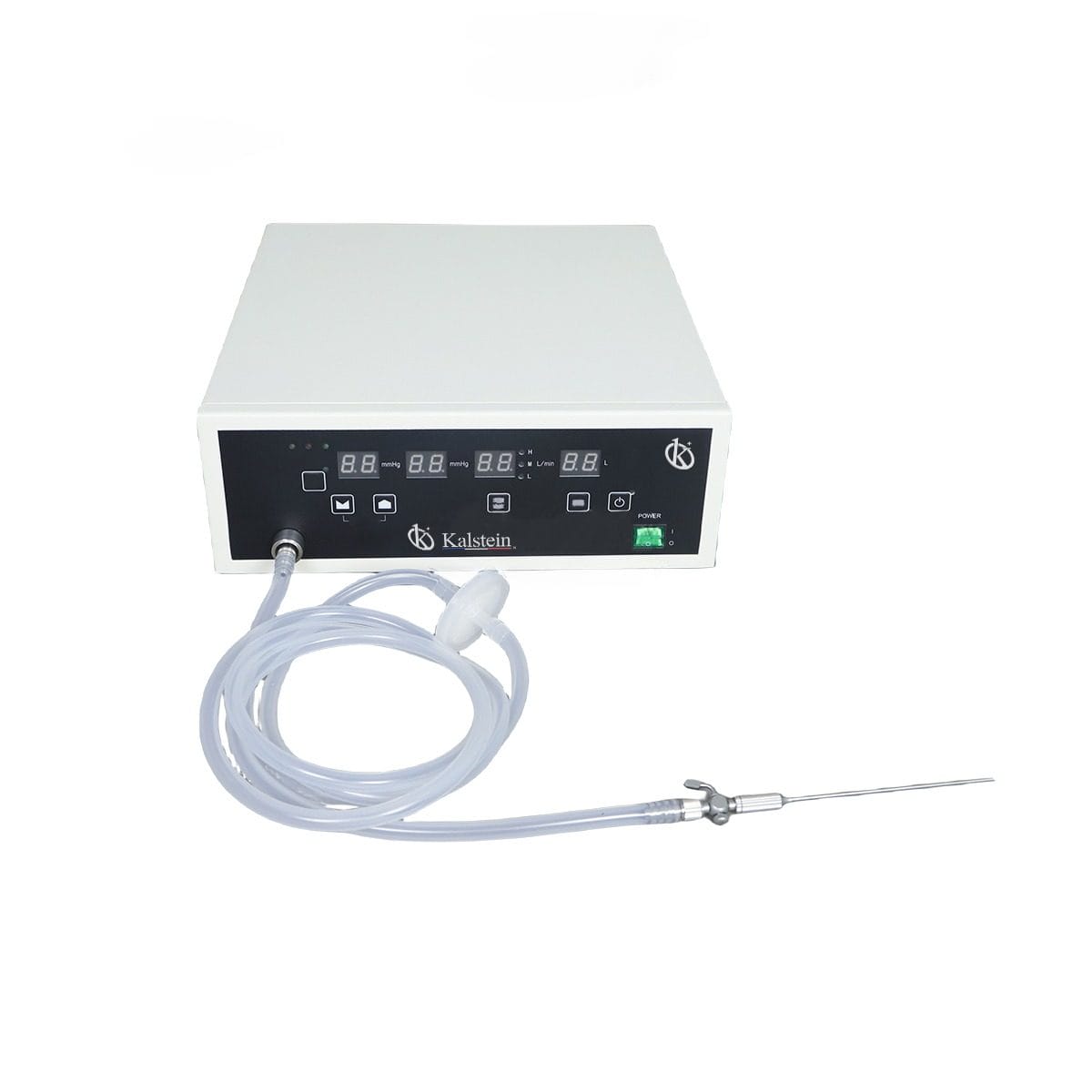
How to Ensure ISO/IEC Compliance with Veterinary Laparoscopy Systems
In the evolving landscape of veterinary medicine, adherence to ISO/IEC standards is critical for ensuring both quality and safety in surgical procedures. Implementing veterinary laparoscopy systems that meet these standards can significantly enhance surgical outcomes and operational efficiency. In this article, we delve into the various models available and their compliance with key regulations, providing a comprehensive guide for veterinary professionals.
Understanding ISO/IEC Standards in Veterinary Medicine
ISO/IEC standards play a vital role in maintaining quality in veterinary practices, particularly regarding surgical equipment. ISO 17025, for instance, is essential for laboratories performing tests and calibrations, ensuring that they produce valid and reliable results. Compliance not only improves operational integrity but also builds trust with clients. In the context of veterinary laparoscopy systems, compliance means that the equipment must meet stringent safety, performance, and documentation standards.
ISO 17025 and Veterinary Laparoscopy Systems
ISO 17025 specifies the general requirements for the competence of testing and calibration laboratories. For veterinary laparoscopy systems, this means ensuring that all devices can provide traceable results, maintain a controlled environment, and undergo regular audits. Models like the Veterinary CO2 Insufflator YR06157 and YR06158 not only fulfill these requirements but also offer features like automatic pressure alarms and adjustable flow rates, which are crucial for maintaining safe surgical conditions.
IEC 61010 Compliance for Safety in Veterinary Surgery
IEC 61010 focuses on the safety requirements for electrical equipment used in medical environments. Compliance ensures that the devices operate safely under expected usage conditions. The Mobile High-Definition Endoscopic Imaging System, YR06156, adheres to these safety regulations, with built-in features like integrated control systems and protective casings that minimize risks during surgeries. Adopting equipment that meets IEC 61010 standards is essential for veterinary practices aiming to protect both staff and patients.
Documentation Requirements for Compliance
To achieve ISO/IEC compliance, veterinary practices must maintain detailed documentation for all equipment. This includes manuals, calibration records, service reports, and compliance certifications. The documentation not only assists in audits but also helps in training personnel on proper usage and maintenance. Each model, including the YR06157 and YR06156, comes with comprehensive user manuals that aid in meeting these documentation requirements effectively.
Traceability in Veterinary Procedures
Traceability ensures that a veterinary procedure can be verified at every stage, from equipment setup to post-operative care. This is particularly important in surgeries where precision is key. The Veterinary CO2 Insufflator YR06158 provides robust traceability features, including digital logging of pressure and flow rates, which can be reviewed for compliance with established protocols. Implementing a system that ensures traceability is not just a regulatory requirement; it also enhances the quality of care delivered to animal patients.
Comparison of Available Models
| Model | ISO/IEC Clauses Covered | Traceability Features | Best For |
|---|---|---|---|
| YR06157 | ISO 17025, IEC 61010 | Automatic pressure logging | Small animals |
| YR06156 | IEC 61010 | Integrated control system | High-definition imaging |
| YR06158 | ISO 17025 | Digital logging | Large surgical spaces |
Common Mistakes and How to Avoid Them
While striving for compliance with ISO/IEC standards, veterinary practices often overlook critical aspects that can jeopardize their accreditation. Common mistakes include insufficient training for staff on the equipment, failing to maintain thorough documentation, and neglecting regular calibration of the devices. To avoid these pitfalls, it is essential to implement a continuous training program, conduct regular audits, and establish a systematic maintenance schedule for all equipment, including models like the YR06157 and YR06158.
Frequently Asked Questions
What are the key ISO/IEC standards for veterinary laparoscopy systems?
The key ISO/IEC standards include ISO 17025 for laboratory competence and IEC 61010 for electrical safety. Compliance with these standards ensures high-quality surgical practices. Models such as the YR06157 and YR06156 are designed to meet these standards, providing safe and effective veterinary surgical solutions.
How can I ensure proper calibration for my veterinary laparoscopy systems?
Proper calibration can be ensured by following a strict schedule and using traceable standards. Equipment like the YR06158 is built with features that allow for easy calibration and monitoring, making it a reliable choice for maintaining compliance with ISO standards.
Which veterinary laparoscopy system is best for small animal surgeries?
The Veterinary CO2 Insufflator YR06157 is ideal for small animal surgeries due to its silent operation and adjustable flow rates. It meets ISO 17025 standards, ensuring compliance and safety during procedures.
How often should veterinary surgical equipment be audited for compliance?
Veterinary surgical equipment should be audited at least annually to ensure compliance with ISO/IEC standards. Regular audits help maintain operational integrity and ensure that equipment like the YR06156 continues to meet all safety requirements.
What are the benefits of using ISO-compliant veterinary laparoscopy systems?
Using ISO-compliant systems enhances the quality of care, ensures safety, and builds trust with clients. Models like YR06158 not only comply with these standards but also improve surgical outcomes through reliable performance.
How does traceability improve surgical outcomes in veterinary practices?
Traceability allows for detailed tracking of surgical procedures, ensuring that all steps meet established standards. The YR06158 offers robust traceability features, which enhance the reliability of surgical outcomes in veterinary settings.
What documentation is required for ISO/IEC compliance in veterinary surgeries?
Documentation required includes maintenance records, calibration logs, and user manuals. Ensuring comprehensive documentation for equipment like the YR06157 assists in maintaining compliance and facilitating audits.
How can I request a quote for veterinary laparoscopy systems?
To request a quote for veterinary laparoscopy systems, you can contact your supplier or visit their dedicated sales page. It is advisable to inquire about models like the YR06156 for a tailored solution that meets your clinic’s needs.
If you are looking for a fusion of innovation and quality, you have come to the right place. At Kalstein, we offer you the luxury of exploring our exclusive catalog of laboratory equipment. We manufacture every device to the highest standards of excellence. Our intuitive and seamless online purchasing channels are designed for your convenience, securing the most competitive prices. Hesitate no longer — we bring science to life, it is time to become part of our community.